
MCT oil can cause severe diarrhea after just one large serving, even though many consider it a convenient source of fat for energy and ketosis.
MCTs are medium-chain triglycerides, which are rapidly absorbed and metabolized in the liver. This characteristic creates significant metabolic effects and necessitates portion control.
Dosage, tolerance, underlying medical conditions, and diet determine safety. Appropriate use maximizes nutritional benefits and minimizes adverse reactions.
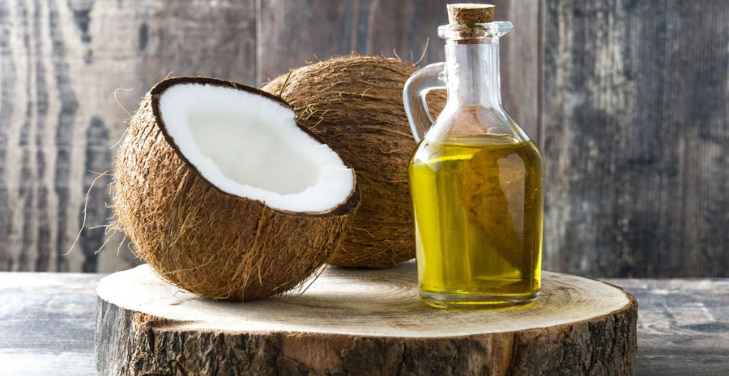
Excessive MCT oil intake may trigger digestive problems and other potential health concerns.
What Is MCT Oil?
MCT oil is a rich source of medium-chain triglycerides, notable for its ability to be quickly processed by the body and to provide energy relatively early. This ingredient is commonly found in ketogenic diets, sports nutrition, and energy supplements.
Medium-Chain Triglycerides
MCTs consist of medium-chain fatty acids, primarily caprylic acid (C8) and capric acid (C10), with a small amount of caproic acid (C6) in some formulations. This molecular structure allows MCTs to enter the energy metabolism process at a high rate.
Common Sources and Formulations
Coconut oil and palm oil provide natural MCTs, while commercial MCT oils often undergo refining to concentrate C8, C10, or a combination of both. The C8 form typically produces ketones quickly, while the C10 form provides a stable source of medium-chain fatty acids.
How MCT Oil Works
After consumption, MCTs are rapidly absorbed in the digestive tract and transported to the liver, where they participate in fatty acid oxidation. This process produces energy and ketones, especially under conditions of low dietary carbohydrate intake.
Is MCT Oil Safe for Most People?
MCT oil is suitable for many people when used in reasonable portions and increased as tolerated. Safety depends on the amount consumed, health status, diet, and the digestive system's response.
Appropriate Daily Intake
Small amounts of MCT oil generally allow for easier adaptation. Users can start with about 1 teaspoon at a time, then gradually adjust based on tolerance. The total daily intake should be appropriate for energy needs and nutritional goals.
Individual Digestive Tolerance
The digestive system significantly influences MCT oil tolerance. Some people may experience bloating, cramping, nausea, or diarrhea when increasing intake rapidly. Dividing the intake into several portions throughout the day helps control the amount of fat entering the digestive tract.
Factors Affecting Safety
Individuals with liver disease, cardiovascular disease, or digestive disorders should carefully consider the risks before supplementing with MCT oil. Medications being used, a ketogenic diet, and total fat intake also affect appropriate levels. Consulting with a healthcare professional will help determine a safe dosage for each individual.
Common Side Effects of MCT Oil
MCT oil can cause digestive symptoms, especially when the body receives a high amount of medium-chain fatty acids in a short period. The severity of the reaction varies depending on the serving size, tolerance, and digestive system condition.
Digestive Discomfort
Diarrhea and loose stools are common when MCT intake exceeds the gut's tolerance. MCT promotes rapid fat transport, putting significant pressure on the digestive system when the serving size increases suddenly.
Bloating and Abdominal Cramps
Bloating, abdominal pain, and abdominal cramps may occur after consuming MCT oil. Large amounts of oil at once increase the fat load in the digestive tract, thereby stimulating bowel movements and causing discomfort.
Nausea and Gas
Nausea, vomiting, and increased intestinal gas are also common reactions. Divide MCT oil into small portions, consume with food, and gradually increase the amount to allow your body to adapt more easily.
Can Too Much MCT Oil Cause Digestive Problems?
High amounts of MCT oil can cause various digestive problems, especially when the body receives a large serving in a short period. The severity of symptoms depends on the amount of oil, the rate of increase in servings, and individual tolerance.
Dose and Digestive Tolerance
MCTs pass through the digestive and metabolic processes rapidly, placing significant pressure on the intestines when consumption increases sharply. Diarrhea, loose stools, bloating, abdominal cramps, and nausea may occur when servings exceed tolerable levels.
Large Single Doses
A large amount of MCT in a single serving can stimulate strong bowel movements and increase the amount of fat present in the digestive tract. This reaction is often more pronounced in people new to MCT oil.
Gradual Introduction
Start with about 1 teaspoon at a time to allow the digestive system to adapt. Dividing the total intake into several smaller portions throughout the day, incorporating them with meals, and gradually increasing the amount according to tolerance helps control the risk of digestive discomfort.
MCT Oil and Heart Health
MCT oil provides rapidly metabolized saturated fat, so its consumption is significant for cardiovascular health. The actual impact depends on serving size, total fat intake, and overall dietary quality.
Saturated Fat Content
MCT oil contains a high proportion of saturated fat, especially in products with high concentrations of caprylic acid (C8) and capric acid (C10). The amount of saturated fat in the diet can affect LDL cholesterol, a key factor in assessing cardiovascular risk.
Triglycerides and Lipid Metabolism
MCTs are rapidly metabolized by the liver, producing energy and ketones under suitable conditions. High serving sizes still increase total fat and energy intake, which can affect individual blood lipid balance.
Heart-Healthy Use
Olive oil, avocados, nuts, and fatty fish provide many valuable unsaturated fats that are beneficial in a heart-healthy diet. Using MCT oil in moderation, while maintaining a variety of fat sources, helps build a balanced nutritional profile.
Can MCT Oil Affect the Liver?
MCT oil is directly involved in liver metabolism because medium-chain fatty acids rapidly pass through the portal vein and are oxidized by the liver to produce energy and ketones.
Liver Metabolism
The liver rapidly absorbs MCTs and promotes β-oxidation, thereby producing acetyl-CoA and ketones under suitable conditions. This metabolic characteristic explains the role of MCTs in ketogenic nutrition and some clinical diets.
Excessive Intake Concerns
Excessive MCT intake significantly increases fat and energy intake. Animal studies have shown that very high MCT intake can increase liver mass and produce noticeable metabolic changes.
Existing Liver Conditions
Individuals with cirrhosis or liver disease should consult a healthcare professional before regularly using MCT oil. Certain specific liver conditions may require a carefully controlled MCT regimen as part of a professional nutritional plan.
Who Should Avoid or Limit MCT Oil?
MCT oil should be used with caution in individuals with metabolic or digestive disorders or those undergoing nutritional therapy. The rapid metabolism of MCTs means that the amount consumed, health status, and nutritional goals are crucial factors in determining appropriate serving sizes.
People With Metabolic Disorders
Individuals with fatty acid metabolic disorders, especially MCAD deficiency, should adhere to specialist nutritional guidelines as MCTs can create a specific metabolic burden.
People With Digestive Sensitivity
Individuals with sensitive digestive systems should start with small amounts and gradually increase according to tolerance. High serving sizes can easily cause diarrhea, abdominal cramps, nausea, and bloating.
People Following Medical Nutrition Plans
Individuals with liver disease, heart disease, pancreatitis, or those following a ketogenic diet should consult a healthcare professional before supplementing with MCT oil. Controlling total fat, ketones, and energy intake helps maintain safe nutritional goals.
MCT Oil and Ketosis: What Are the Concerns?
MCT oil promotes ketone production due to its rapid absorption and oxidation in the liver. This effect plays a crucial role in ketogenic diets and needs to be controlled according to the amount used, nutritional goals, and metabolic status.
Rapid Ketone Production
Caprylic (C8) and capric (C10) acids enter the liver quickly, then participate in β-oxidation and ketogenesis. Increasing amounts of MCT tend to raise blood β-hydroxybutyrate, leading to ketosis at varying levels depending on the individual.
Role in Ketogenic Diets
MCT oil provides a useful ketogenic substrate in carbohydrate-restricted diets. Its ability to rapidly produce ketones helps maintain energy from ketones under low-carbohydrate conditions.
Concerns With High Intake
High MCT intakes can cause a rapid increase in ketones, while also increasing the risk of diarrhea, nausea, bloating, and gastrointestinal discomfort. Increasing intake gradually, starting at around 5g and adjusting according to tolerance, helps manage these reactions.
How Much MCT Oil Is Too Much?
The appropriate amount of MCT oil depends on tolerance, product composition, and intended use. Studies have shown that digestive symptoms increase with dose, especially when consuming large amounts at once.
Individual Tolerance
Tolerance varies from person to person. Diarrhea, abdominal pain, bloating, and nausea may indicate that the current serving has exceeded the digestive system's tolerance.
Starting With Smaller Amounts
A starting dose of around 5g of MCT oil at a time allows the body to adapt. Some research guidelines suggest gradually increasing MCT oil intake to around 15–20g once the user has maintained good tolerance.
Signs of Excessive Intake
Servings of 30g at a time can significantly increase digestive symptoms, while 50–60g have been shown to cause very high rates of digestive discomfort. Dividing the MCT dose into multiple servings and adjusting it based on the body's response helps manage tolerance.
How to Reduce the Risk of MCT Oil Side Effects
Reducing the side effects of MCT oil mainly depends on how you increase the dose, when you use it, and your digestive tolerance. Studies have shown that digestive symptoms tend to increase with the amount of MCT consumed.
Start With a Small Dose
Starting with about 5g of MCT at a time allows your digestive system to adapt gradually. Users can gradually increase the amount as their body maintains a stable tolerance.
Divide the Daily Intake
Dividing the total MCT intake into multiple servings throughout the day helps reduce the fat load on the digestive tract. This approach is especially helpful when building servings of 15–20g or higher.
Take MCT With Food
Combining MCT oil with food may improve tolerance in some people. Monitoring for diarrhea, abdominal pain, bloating, or nausea helps adjust the dosage to suit individual reactions.
When Should You Stop Taking MCT Oil?
MCT oil should be temporarily discontinued if the body experiences prolonged, progressively worsening reactions or significant disruptions to daily life. Gastrointestinal symptoms such as diarrhea, nausea, and abdominal pain are often associated with high MCT intake, especially during rapid dose increases.
Persistent Digestive Symptoms
Persistent diarrhea, abdominal cramps, recurrent nausea, or vomiting indicate that current tolerance needs to be reassessed. Temporarily stopping MCT oil allows the body to stabilize and facilitates the identification of the cause of the symptoms.
New or Worsening Symptoms
Severe abdominal pain, excessive vomiting, severe diarrhea, signs of dehydration, or new health symptoms require prompt medical evaluation. Individuals with liver or heart disease, or those undergoing dietary therapy, should consult a healthcare professional before resuming use.
Medical Evaluation
A doctor or nutritionist can assess your MCT intake, total fat intake, medications you are taking, and underlying medical conditions. With a therapeutic ketogenic diet, adjusting or discontinuing MCTs should follow a professional plan to maintain nutritional goals and ketone control.
Conclusion
MCT oil provides medium-chain fatty acids that are rapidly absorbed and metabolized, supporting energy production and ketone production under suitable conditions.
High servings may cause diarrhea, abdominal pain, nausea, and vomiting, especially if the digestive system is not yet adapted.
Using moderate amounts, gradually increasing according to tolerance, and maintaining a balanced diet helps control risk. Individuals with liver or heart disease should consult a healthcare professional before supplementing with MCT oil.
Frequently Asked Questions (FAQs)
- Can MCT oil cause diarrhea? – MCT oil can cause diarrhea, particularly when consumed in a large dose. Starting with about 5 g and increasing gradually can help improve digestive tolerance.
- How much MCT oil is too much? – MCT oil has no established tolerable upper intake level. Larger acute doses, particularly above 30 g, are associated with greater gastrointestinal discomfort, so gradual increases and divided servings can help determine individual tolerance.
- Does MCT oil affect cholesterol? – MCT oil can influence blood lipids depending on the dietary context and replacement fat. Research suggests it may slightly increase triglycerides, while effects on LDL and total cholesterol vary by comparator fat.
- Can MCT oil affect the liver? – MCTs reach the liver rapidly through the portal circulation, where they undergo fatty acid oxidation and ketone production. People with liver disease should seek individualized nutritional guidance before using MCT oil.
- When should MCT oil be stopped? – Persistent diarrhea, repeated vomiting, significant abdominal pain, or worsening symptoms warrant stopping MCT oil and seeking medical evaluation. People with significant medical conditions should coordinate dose changes with a healthcare professional.
