
What makes a small fruit like blueberries so appealing in research on inflammation, oxidative stress, and cellular health? Their distinctive bluish-purple color comes from anthocyanins, a group of highly bioactive polyphenols.
Studies in humans suggest blueberries may support vascular function and regulate several markers associated with inflammation.
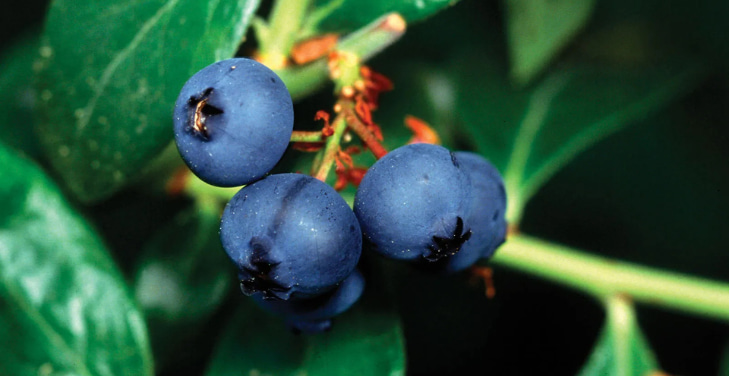
Blueberries rich in anthocyanins help soothe inflammation and protect cells from oxidative stress.
What Are Blueberries?
Blueberries are a type of berry belonging to the genus Vaccinium, distinguished by their characteristic bluish-purple color and high density of active plant compounds. Their nutritional composition includes fiber, vitamins, minerals, and numerous polyphenols, creating multifaceted nutritional value.
Blueberry Nutrition Profile
Blueberries provide fiber, along with vitamin C, vitamin K, and essential micronutrients, contributing to cellular function, digestion, and overall health. Their high water content and natural sweetness make them easy to incorporate into a daily diet.
Anthocyanins and Polyphenols
Anthocyanins give blueberries their characteristic bluish-purple color and belong to the group of flavonoids rich in bioactive compounds. Blueberries also contain flavonols, proanthocyanidins, and many other polyphenols. These compounds help regulate processes related to oxidative stress and inflammatory signaling, providing a biological basis for their potential to support control of the inflammatory response.
Blueberries and Inflammatory Balance
Studies in humans suggest that blueberries may positively affect several markers related to inflammation and vascular function, although results vary between studies. Therefore, blueberries are a suitable polyphenol-rich component in a diet aimed at long-term health.
What Causes Inflammation in the Body?
Inflammation occurs when the immune system recognizes damage, pathogens, or danger signals from tissue and initiates a chain reaction of protective responses. The intensity and duration of this response depend on the cause, immune status, and the body's biological environment.
Acute and Chronic Inflammation
Acute inflammation appears rapidly after infection or tissue damage, mobilizing white blood cells and immune mediators to control the harmful agent and promote repair. Chronic inflammation sustains immune activity for an extended period, often associated with persistent infections, immune disorders, obesity, and lifestyle factors.
Oxidative Stress and Inflammatory Pathways
Oxidative stress increases reactive oxidative molecules, activating immune sensors and signaling pathways such as NF-κB and NLRP3 inflammasomes. These mechanisms promote cytokine production, maintain inflammatory signaling, and create a feedback loop between oxidative damage and the immune response.
Lifestyle and Environmental Triggers
Poor diets, lack of exercise, prolonged stress, environmental pollution, and certain metabolic diseases can contribute to maintaining systemic inflammation. Excess adipose tissue also secretes inflammatory signals, profoundly affecting immune and metabolic balance.
How Blueberries Help Soothe Inflammation
Blueberries contain anthocyanins and many bioactive polyphenols, which form the basis for their ability to regulate processes related to inflammation and oxidative stress. Human studies show that blueberries may improve several inflammatory markers, while mechanistic studies further clarify the effects at the cellular level.
Anthocyanins and Polyphenols
Anthocyanins create the characteristic bluish-purple color and are involved in regulating many cellular signals. Polyphenols from blueberries may affect NF-κB, a factor that controls the expression of many inflammatory mediators, thereby supporting a balanced immune response.
Inflammatory Signaling Pathways
Anthocyanins can regulate signaling pathways such as NF-κB and MAPK, and also influence factors related to cytokines and inflammatory responses. This mechanism creates a multi-layered network of effects, helping the body maintain a more stable cellular environment.
Oxidative Stress Control
Polyphenols in blueberries also support the endogenous antioxidant defense system, helping control ROS and protect cellular structures. When oxidative stress is regulated, signals that promote inflammatory responses can also decrease in intensity.
Antioxidant Protection Against Oxidative Stress
Oxidative stress arises when free radicals and reactive oxygen species (ROS) accumulate, affecting the DNA, proteins, and lipids of cells. Blueberries provide anthocyanins and various polyphenols, creating a source of bioactive compounds that support the body's antioxidant defense system.
Neutralizing Free Radicals
Anthocyanins and polyphenols interact with free radicals, helping to control ROS and limit oxidation at the cellular level. Several human studies have shown that blueberries improve markers related to oxidative stress.
Protecting Cells and DNA
The active compounds in blueberries support the cellular barrier against oxidative damage. A randomized trial found that a 300g serving of blueberries reduced DNA damage caused by H₂O₂ in healthy adults.
Supporting Antioxidant Defense
Blueberries may also influence the endogenous antioxidant system and processes that regulate oxidative stress. Several studies have shown a reduction in ROS in immune cells after blueberry supplementation, further supporting the fruit's role in supporting oxidative balance.
Benefits for Heart and Blood Vessel Inflammation
Blueberries provide bioactive anthocyanins and polyphenols that support the management of oxidative stress and inflammatory signals related to cardiovascular health. Human studies have shown notable improvements in endothelial function and several inflammatory markers.
Supporting Blood Vessel Function
Anthocyanins and phenolic metabolites support nitric oxide (NO) activity, which helps maintain vasodilation and regulate blood flow. A meta-analysis of 11 studies showed that blueberries improved FMD and RHI, two key indicators of endothelial function.
Reducing Vascular Inflammatory Signals
Polyphenols from blueberries affect signaling pathways such as NF-κB and regulate cell adhesion molecules involved in vascular inflammation. These mechanisms support a healthy endothelial environment and contribute to vascular stability.
Promoting Cardiovascular Wellness
A six-month trial found that consuming about one cup of blueberries per day improved endothelial function and arterial stiffness in people with metabolic syndrome. These results reinforce the role of blueberries in diets aimed at long-term cardiovascular health.
Blueberries and Muscle Inflammation
High-intensity physical activity creates oxidative stress, muscle fiber damage, and inflammatory responses during recovery. Blueberries provide anthocyanins and polyphenols, compounds that have the potential to help balance these processes.
Supporting Exercise Recovery
Anthocyanins support the endogenous antioxidant system, helping to control oxidative molecules generated after exercise. One study in women noted that blueberries helped promote the rate of muscle strength recovery after exercise-induced eccentric muscle damage.
Reducing Oxidative and Inflammatory Stress
Polyphenols from blueberries affect lipid metabolites involved in inflammation and support the resolution of post-exercise inflammatory responses. A trial using the equivalent of one cup of blueberries per day recorded positive changes in oxylipins after exercise.
Supporting Muscle Soreness Relief
A synthesis of 39 studies on anthocyanins shows that this group of compounds is associated with improved strength, reduced DOMS (Delayed Onset Muscle Soreness) at 24 hours, and support for post-exercise recovery. Blueberries, therefore, may be a useful source of polyphenols in muscle recovery diets.
Supporting Brain Health and Neuroinflammation
Blueberries are rich in anthocyanins and polyphenols, providing a nutritional foundation for neurological health by controlling oxidative stress, inflammatory signaling, and cerebral vascular function. Numerous studies have noted their potential to support memory and several cognitive aspects.
Protecting Brain Cells
Anthocyanins and phenolic metabolites may influence the antioxidant system, supporting the maintenance of neuronal integrity and the neuroplasticity environment. Some mechanistic studies have also noted their ability to promote BDNF and processes related to neuroplasticity.
Modifying Neuroinflammation
Anthocyanins can regulate signals related to microglia, NF-κB, NLRP3, and cytokines such as IL-1β, IL-6, and TNF-α. These mechanisms provide the biological basis for their role in supporting neuroinflammation balance.
Supporting Cognitive Function
Human trials suggest that blueberries have the potential to support memory, learning ability, and some executive functions. A 24-week trial published in 2026 noted selective benefits on diastolic blood pressure, while markers p-tau181, NFL, and cognitive tests showed no significant changes.
Supporting Digestive and Gut Health
Blueberries provide fiber and polyphenols, two groups of components that play a crucial role in the gut microbiome. They support the microbial environment, the intestinal barrier, and the metabolism of plant compounds.
Fiber and Digestive Function
The fiber in blueberries contributes to increased stool bulk, supports bowel movements, and provides a substrate for the gut microbiota. The fermentation of fiber promotes the production of short-chain fatty acids, particularly acetate, propionate, and butyrate, contributing to the maintenance of colon function.
Polyphenols and Gut Microbiome
Anthocyanins and polyphenols penetrate deep into the colon microbiome, where gut bacteria metabolize them into bioactive metabolites. Some human studies have shown that blueberries may alter certain bacterial groups and increase the microbial microbiota's ability to metabolize polyphenols.
Supporting the Gut Barrier
Blueberry polyphenols support the intestinal epithelial barrier through mechanisms related to oxidative stress, inflammation, and epithelial cell integrity. The systematic review also noted the potential of blueberries to improve gut morphology, regulate the microbiome, and support a healthy gut environment.
Best Ways to Eat Blueberries for Anti-Inflammatory Benefits
How you consume blueberries affects the amount of polyphenols and anthocyanins your body absorbs. Prioritize whole blueberries, combined with fiber-rich foods and healthy fats to create a nutritious meal.
Fresh and Frozen Blueberries
Fresh blueberries retain their natural structure, fiber, and polyphenol content. Frozen blueberries also provide significant anthocyanins, making them a convenient option for frequent consumption. Temperature and storage time affect anthocyanin stability, so refrigeration helps maintain the quality of these plant compounds.
Healthy Serving Ideas
Blueberries can be combined with oatmeal, plain yogurt, chia seeds, or nuts to create a meal rich in fiber, protein, and healthy fats. This combination expands the nutritional value of the serving while naturally incorporating polyphenols into your daily diet.
Choosing Minimally Processed Options
Whole or frozen blueberries are suitable for maintaining polyphenol content. Juices, jams, and heat-treated products may experience anthocyanin loss during processing and storage.
Conclusion
Blueberries provide anthocyanins and polyphenols, compounds that contribute to regulating oxidative stress and inflammatory signaling. Human studies suggest potential support for vascular function and several inflammatory markers.
Regularly incorporating blueberries into a plant-based diet adds fiber and valuable bioactive compounds. A balanced diet provides a favorable nutritional foundation for long-term health and the body's ability to manage inflammation.
Frequently Asked Questions (FAQs)
- Can blueberries help soothe inflammation? – Blueberries provide anthocyanins and polyphenols that help regulate oxidative stress and inflammatory signaling, with human studies showing potential improvements in several inflammatory markers.
- How do blueberries support antioxidant protection? – Anthocyanins and polyphenols in blueberries help regulate reactive oxygen species and support protection of DNA, proteins, and lipids from oxidative damage.
- Can blueberries support heart health? – Blueberries contain anthocyanins associated with endothelial and vascular function. Human research suggests they may improve certain vascular function markers and support cardiovascular health.
- Do blueberries help with exercise recovery? – Blueberry polyphenols help regulate oxidative stress associated with exercise, while anthocyanins support healthy inflammatory responses and muscle recovery.
- Do blueberries support gut health? – The fiber and polyphenols in blueberries interact with the gut microbiome, supporting the intestinal barrier, microbial balance, and production of beneficial metabolites.
