
Muscle soreness after exercise reflects a physiological adaptation process occurring deep within muscle tissue. Nutrition plays a crucial role in activating recovery, with blueberries standing out due to their high density of bioactive compounds and ability to regulate the intracellular environment.
Blueberries contain anthocyanins and polyphenols, molecules that drive a chain of antioxidant and anti-inflammatory reactions. These mechanisms promote muscle fiber regeneration, enhance athletic performance, and provide a strong foundation for recovery.
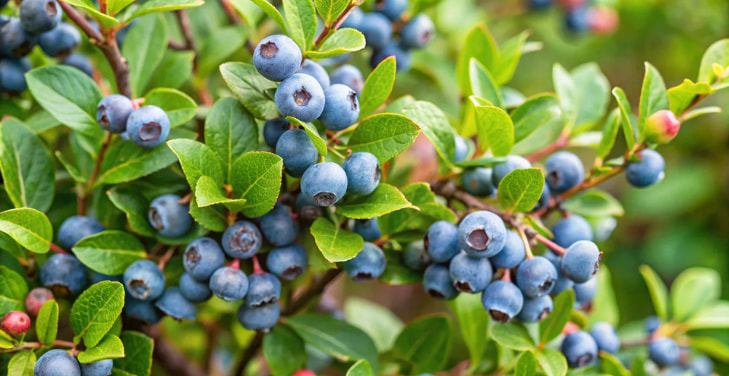
Blueberries help reduce muscle soreness and support faster recovery after workouts.
What Are Blueberries?
Blueberries represent a group of nutrient-rich fruits with a deep bluish-purple color and juicy flesh. The bioactive components in this fruit directly impact muscle recovery and metabolic balance after high-intensity exercise.
Natural Composition and Structure
Blueberries contain high levels of anthocyanins, flavonoids, and vitamin C, providing powerful antioxidant properties. These molecules help protect muscle cells from the biological stress generated during exercise.
Origin and Varieties
Originating from North America, blueberries grow in various varieties such as highbush and lowbush, each with its own unique nutritional density. This diversity provides flexible options for recovery-supporting diets.
Functional Role in Human Health
The active compounds in blueberries activate biological pathways involved in reducing inflammation and regenerating muscle tissue. This process enhances the body's adaptability and improves recovery efficiency after exercise.
Nutritional Profile for Muscle Health
Blueberries' nutritional profile shows a high density of micronutrients and potent bioactive compounds. These components activate metabolic reactions directly related to muscle recovery and optimize homeostasis after high-intensity exercise.
Rich Antioxidant Content
Anthocyanins are present in significant amounts, creating the characteristic bluish-purple pigment and promoting free radical neutralization. Flavonoids, in combination with vitamin C, strengthen the muscle cell defense system, reducing the oxidative stress accumulated during training.
Essential Vitamins and Minerals
Blueberries provide vitamin K, vitamin C, and manganese, which support energy metabolism and connective tissue synthesis. These micronutrients promote enzyme activity, enhance the structural strength of muscle fibers, and maintain stable physiological function.
Natural Anti-inflammatory Compounds
Polyphenols in blueberries regulate inflammatory signaling at the cellular level. This active ingredient promotes muscle tissue recovery and supports the restructuring of muscle fibers after micro-damage caused by strenuous exercise.
How Blueberries Reduce Muscle Soreness
Blueberries activate a chain of biological reactions directly related to reducing post-workout muscle soreness. Active compounds penetrate muscle tissue, regulate inflammatory signaling, and promote recovery at the cellular level, thereby improving post-workout comfort.
Modifying Inflammatory Response
Anthocyanins in blueberries regulate inflammatory cytokines such as IL-6 and TNF-α, thereby calming the inflammatory response that arises after micro-damage to muscle fibers. This mechanism helps muscles stabilize faster after high-intensity exercise.
Reducing Oxidative Stress Load
Antioxidants neutralize free radicals formed during exercise. This reduction in oxidative stress helps protect muscle cell membranes, maintain structural integrity, and limit prolonged soreness.
Enhancing Cellular Repair Processes
Polyphenols stimulate the activity of enzymes involved in muscle tissue regeneration. Protein synthesis becomes more efficient, supporting muscle fiber recovery and improving motor function in the post-workout phase.
Role of Antioxidants in Recovery
The antioxidants in blueberries play a central role in regulating post-exercise recovery. These bioactive molecules interact directly with the intracellular environment, promoting oxidative balance and accelerating muscle tissue regeneration after physiological stress.
Neutralizing Free Radicals
Free radicals are formed aggressively during high-intensity exercise, putting stress on muscle cell membranes. Anthocyanins and vitamin C in blueberries quickly neutralize these molecules, thereby maintaining cellular structural stability and limiting the spread of damage.
Reducing Oxidative Stress Signals
Antioxidants regulate biological signals related to oxidative stress, such as NF-κB. This regulation helps stabilize the intracellular environment, facilitating effective recovery.
Supporting Cellular Regeneration
Polyphenols activate DNA repair enzymes and promote the synthesis of structural proteins. This activity enhances muscle fiber regeneration, improves elasticity, and increases the body's adaptability after each workout.
Anti-Inflammatory Effects on Muscles
Inflammatory responses in muscle tissue intensify after high-intensity exercise, putting biological stress on muscle fibers and connective tissue. Blueberries provide bioactive compounds that regulate this response, promoting a favorable internal environment for recovery.
Regulating Inflammatory Pathways
Anthocyanins directly affect signaling pathways such as COX and NF-κB, thereby controlling the activation levels of inflammatory mediators. This regulation helps muscle tissue maintain biological balance during the recovery phase.
Reducing Muscle Damage Signals
Polyphenols in blueberries reduce the intensity of signals from biomarkers such as creatine kinase. This process helps reduce soreness and improve mobility after exercise.
Enhancing Tissue Recovery Environment
Anti-inflammatory compounds promote microcirculation and deliver nutrients to the injured muscle area. This environment provides optimal conditions for muscle fiber regeneration, increased flexibility, and improved muscle strength.
Improving Exercise Performance
Blueberries boost exercise performance through a simultaneous impact on the muscular, circulatory, and metabolic systems. Bioactive compounds act as natural modulators, helping the body maintain optimal performance throughout training and recovery.
Enhancing Endurance Capacity
Anthocyanins improve vascular endothelial function, increasing blood flow to active muscles. Oxygen and nutrient delivery is more efficient, thus extending exercise duration and maintaining consistent intensity.
Optimizing Energy Utilization
Polyphenols regulate glucose and lipid metabolism, helping muscle cells utilize energy more efficiently. This optimization supports endurance and reduces fatigue during extended workouts.
Accelerating Post-Exercise Recovery
The combined effects of antioxidants and anti-inflammatory agents promote faster post-exercise recovery. Muscles return to a ready state in a shorter amount of time, thereby improving overall performance with each training cycle.
Blueberries and Muscle Repair Mechanisms
Muscle repair occurs continuously after each workout, involving many complex biological pathways. Blueberries provide active compounds that accelerate muscle tissue regeneration and strengthen muscle fiber structure through metabolic regulation and cellular signaling.
Stimulating Protein Synthesis
Polyphenols in blueberries activate signals such as mTOR, thereby promoting protein synthesis in muscle cells. This activity helps regenerate damaged muscle fibers and increase muscle density over time.
Enhancing Mitochondrial Function
Anthocyanins improve mitochondrial efficiency, increasing ATP production for muscle tissue repair and remodeling. The abundant energy allows biological reactions to occur continuously and efficiently.
Supporting Cellular Regeneration Signals
Antioxidants regulate growth factors such as IGF-1, thereby promoting muscle cell division and differentiation. This process lays a solid foundation for rapid recovery and improved adaptability to increased exercise intensity.
Scientific Evidence on Muscle Recovery Benefits
Scientific evidence reinforces the role of blueberries in muscle recovery through numerous clinical studies and athlete trials. These data clarify the biological effects of polyphenol and anthocyanin compounds on muscle soreness reduction and tissue regeneration.
Clinical Trials on Athletes
Many randomized controlled trials have shown that athletes consuming blueberries before and after training exhibited a significant reduction in creatine kinase levels. This indicator reflects the degree of muscle damage, thus demonstrating a significantly improved recovery efficiency.
Biomarker Improvements
Studies measuring CRP and IL-6 show a strong modulation of the inflammatory response after blueberry supplementation. Positive changes in these biomarkers are directly linked to reduced pain and improved muscle function.
Performance and Recovery Outcomes
Experimental data show shortened recovery times and higher rates of return to activity. Participants maintained consistent performance across multiple consecutive training sessions, reflecting the comprehensive support from the active compounds in blueberries.
Best Time to Eat Blueberries for Recovery
The timing of blueberry consumption directly impacts muscle recovery and optimizes post-workout biological performance. Proper distribution throughout the day allows the active compounds to maximize their antioxidant, anti-inflammatory, and tissue-regeneration effects.
Pre-Workout Nutrient Priming
Consuming blueberries before a workout provides a rich source of polyphenols, activating the body's endogenous antioxidant system. This prepares the body, reducing oxidative stress during exercise.
Post-Workout Recovery Window
Consuming blueberries immediately after a workout promotes recovery by enhancing microcirculation and delivering nutrients to the muscles. This phase supports glycogen resynthesis and activates efficient muscle fiber repair.
Consistent Daily Intake Strategy
Maintaining blueberries in your daily diet creates a stable foundation for inflammatory and metabolic balance. The accumulation of bioactive compounds over time enhances adaptability and shortens muscle recovery cycles.
Who Can Benefit Most from This Effect?
The muscle soreness and recovery-boosting benefits of blueberries are clearly felt across a wide range of individuals with varying exercise needs. The bioactive compounds in this fruit adapt flexibly to the intensity of activity and the physiological state of each individual.
Athletes and High-Intensity Trainers
Professional athletes and high-intensity trainers receive powerful recovery benefits from blueberries. Muscles undergo significant stress during competition and training, thus increasing the need for anti-inflammation and muscle tissue regeneration, allowing the active compounds to be most effective.
Active Lifestyle Individuals
Those who maintain an active lifestyle with activities such as running, gym workouts, or cycling benefit from the ability to reduce post-exercise muscle soreness. Blueberries help maintain a consistent training pace and enhance comfort in daily life.
Beginners Experiencing Muscle Adaptation
Beginners go through a period of adaptation to many physiological changes in their muscles. Blueberries promote rapid recovery, support effective adaptation, and maintain motivation during the process of building an exercise routine.
Practical Ways to Include Blueberries in a Recovery Diet
Integrating blueberries into a muscle recovery diet creates a flexible and effective nutritional foundation. Intelligent combinations with other food groups optimize muscle regeneration and enhance energy levels after exercise.
Post-Workout Smoothie Combinations
Blueberry smoothies paired with protein from Greek yogurt or whey create a comprehensive recovery formula. Natural carbohydrates replenish glycogen, while protein promotes muscle fiber synthesis, resulting in noticeable recovery.
Nutritious Snack Pairings
Blueberries paired with almonds, walnuts, or oats provide a balance of healthy fats and fiber. This combination supports stable energy levels and sustained recovery.
Incorporating into Daily Meals
Adding blueberries to breakfast with whole-grain cereals or protein-rich salads creates a micronutrient-rich meal. This habit reinforces a favorable internal environment for muscle recovery and enhances long-term athletic performance.
Conclusion
Blueberries provide a powerful nutritional foundation that helps reduce muscle soreness and accelerate recovery after exercise. Their antioxidant and anti-inflammatory compounds work synergistically, promoting muscle tissue regeneration and enhancing physical performance.
Choosing fresh, clean blueberries and consuming them in appropriate portions optimizes health benefits. Pairing them with a variety of protein-rich foods and maintaining a balanced diet supports effective, sustainable muscle recovery.
Frequently Asked Questions (FAQs)
- Do blueberries really help reduce muscle soreness after workouts? – Blueberries provide anthocyanins and polyphenols that support antioxidant defenses and healthy inflammatory responses, which may help reduce muscle soreness and support recovery after exercise.
- How many blueberries should you eat to support muscle recovery? – A serving of about 100–150 grams provides antioxidants that support muscle recovery and works well alongside adequate protein and overall balanced nutrition.
- Is it better to eat blueberries before or after workouts? – Blueberries can be eaten before or after workouts. Pre-workout intake supports antioxidant defenses, while post-workout intake provides nutrients that complement muscle recovery.
- Do blueberries help improve long-term workout performance? – Blueberry bioactive compounds support antioxidant defenses, circulation, and muscle recovery, which can contribute to consistent training and long-term exercise performance.
- What foods can be combined with blueberries to enhance recovery? – Blueberries pair well with Greek yogurt, whey protein, or nuts to provide antioxidants, protein, and healthy fats that support post-workout muscle recovery.
