
Blueberries significantly and directly activate brain power. This small fruit boasts a high density of nutrients, boosting memory, increasing concentration, and enhancing cognitive performance in today's fast-paced world.
The antioxidants and flavonoids in blueberries profoundly impact nerve cells. The brain functions more efficiently, thinking becomes sharper, and information processing is faster and more accurate.
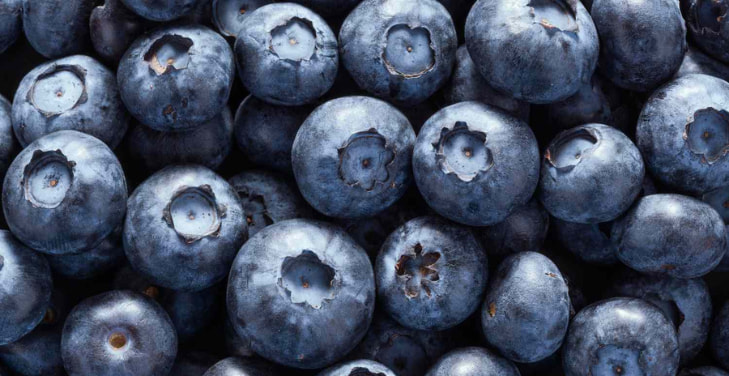
Blueberries, rich in antioxidants, support brain function, memory, and mental clarity daily.
What Are Blueberries?
Blueberries are deep bluish-purple in color, small in size, but packed with a high density of bioactive nutrients. Each berry accumulates potent plant compounds that nourish nerve cells and boost cognitive performance. Their juicy texture and sweet, slightly tart flavor create a distinct sensory experience and encourage frequent consumption.
Botanical Characteristics
Blueberries belong to the genus Vaccinium and thrive in temperate climates. They are spherical, with a thin, naturally powdery skin, soft flesh, and are rich in juice. Varieties differ in size, sweetness, and active compound content.
Key Brain-Active Compounds
Anthocyanins are dominant, creating the characteristic bluish-purple color and acting as powerful antioxidants. Flavonoids, vitamin C, and polyphenol compounds work together to protect brain cells, enhance nerve signaling, and support the maintenance of synaptic structure.
Nutritional Density
High levels of fiber, vitamin K, manganese, and water optimize metabolism and circulation. This combination nourishes the central nervous system, promoting a favorable biological environment for sustained brain activity.
Nutritional Profile for Cognitive Support
Blueberries' nutritional profile shows a high density of micronutrients and a broad spectrum of bioactive compounds, providing a solid foundation for brain function. Each serving provides clean energy, supports neuronal metabolism, and helps maintain stable alertness throughout the day.
Vitamins and Essential Micronutrients
Vitamin C activates collagen synthesis in brain blood vessels, supporting blood flow to nourish nerve tissue. Vitamin K participates in regulating cell signaling, while manganese promotes the efficient functioning of antioxidant enzymes, helping the nervous system operate smoothly.
Anthocyanins and Flavonoids
Anthocyanins create the characteristic color and play a central role in protecting neurons. Flavonoids enhance neurotransmission and improve synaptic flexibility, thereby improving memory and rapid information processing.
Fiber and Metabolic Support
Fiber helps stabilize blood sugar levels, providing a sustainable energy source for the brain. This balance maintains cognitive performance, allowing the brain to function continuously with high concentration and sharp mental clarity.
How Blueberries Enhance Brain Function
Blueberries activate a series of sophisticated biological mechanisms in the brain, creating a harmonious coordination between circulation, neurotransmission, and cell protection. Bioactive compounds spread rapidly through the circulatory system, directly impacting brain regions related to memory and concentration.
Improved Cerebral Blood Flow
Anthocyanins promote vasodilation, increasing blood flow to the brain and enhancing oxygen supply. Nutrient-rich blood nourishes nerve cells, helping the brain maintain alertness and respond quickly to environmental stimuli.
Enhanced Neuron Communication
Flavonoids activate intracellular signals, strengthening connections between neurons. Synapses function more efficiently, signal transmission speeds increase significantly, thereby improving information processing and cognitive reflexes.
Cellular Protection and Regeneration
Antioxidants neutralize free radicals and stabilize the structure of nerve cell membranes. Simultaneously, neurotrophic factors are stimulated, supporting the regeneration of new cells and maintaining the integrity of the complex neural network.
Memory Improvement and Retention
Blueberries deeply impact the memory system, activating neural pathways involved in learning and information storage. The bioactive nutrients in the fruit promote the stability of neuronal networks, thereby enhancing memory performance in various cognitive situations.
Short-Term Memory Enhancement
Anthocyanins enhance the activity of the hippocampus, the brain region responsible for processing short-term memories. Neural signals are transmitted faster and more accurately, resulting in clearer and more coherent information retention.
Long-Term Memory Consolidation
Flavonoids stimulate memory consolidation, supporting the conversion of short-term to long-term information. Synaptic connections become more robust, laying the foundation for long-term information storage.
Synaptic Plasticity Support
Antioxidant compounds promote synaptic flexibility. The brain adapts quickly to new stimuli, increasing its ability to learn, remember, and retrieve information with high accuracy.
Focus and Mental Clarity Benefits
Blueberries activate neural networks related to attention and information processing, creating a sharp and stable mental state. The bioactive compounds in the fruit promote synchronization between brain regions, helping to maintain cognitive performance throughout intellectual work.
Enhanced Attention Control
Flavonoids boost activity in the prefrontal cortex, the area that coordinates focus. Neural signals become more precise, helping to maintain continuous attention and reduce distraction in highly stimulating environments.
Reduced Mental Fatigue
Antioxidants optimize cellular energy production, supporting the brain's sustained activity. Stable energy levels reduce mental fatigue and maintain alertness for extended periods.
Improved Cognitive Processing Speed
Anthocyanins enhance the speed of signal transmission between neurons. The brain processes information quickly and responds flexibly, thereby improving thinking clarity and the ability to make accurate decisions.
Neuroprotective Properties
Blueberries provide a powerful biological defense for the nervous system, creating a stable environment that helps brain cells maintain optimal structure and function. Active compounds penetrate brain tissue, activating endogenous defense mechanisms and maintaining the integrity of the neural network.
Oxidative Stress Reduction
Anthocyanins neutralize free radicals with high efficiency, reducing oxidative stress in nerve cells. Cell membranes remain stable, and intracellular enzymes function smoothly, thereby maintaining the brain's biological performance.
Anti-Inflammatory Action
Polyphenols regulate inflammatory responses in nerve tissue, helping to maintain the intracellular environment in balance. Inflammatory signals are tightly controlled, creating conditions for neurons to function efficiently and continuously.
Neuronal Integrity and Longevity
Flavonoids strengthen neuronal structure and support the production of nerve growth factors. Synaptic connections remain stable, contributing to extended cell lifespan and optimized cognitive function over time.
Mood and Stress Regulation
Blueberries directly impact the mood-regulating centers in the brain, promoting a balanced and stable mental state. Bioactive compounds activate neurotransmitters, creating a flexible adaptive response to psychological pressure and environmental stimuli.
Neurotransmitter Balance
Flavonoids regulate the activity of serotonin and dopamine, two neurotransmitters associated with positive emotions. This balance improves mood, increases relaxation, and enhances the quality of mental experiences.
Cortisol Regulation
Anthocyanins help control cortisol levels, a hormone involved in the stress response. Maintaining a stable physiological state allows the brain to react flexibly and stay alert in stressful situations.
Brain-Body Connection
Antioxidant compounds promote harmonious brain-gut axis function. A nourished gut microbiome sends positive signals to the brain, contributing to emotional stability and enhanced psychological adaptability.
Blueberries and Aging Brain Health
Blueberries contribute to maintaining brain rejuvenation by strengthening neuronal structure and optimizing cognitive function over time. Bioactive compounds work deep within brain tissue, promoting physiological adaptation and maintaining stable intellectual performance as age increases.
Cognitive Longevity Support
Anthocyanins activate cell-protective pathways, helping neurons maintain sustained function. The brain retains high flexibility, supporting learning and information processing throughout various stages of life.
Reduction of Age-Related Decline
Flavonoids strengthen synaptic connections, maintaining the accuracy of neural signals. Brain regions involved in memory and logical thinking function efficiently, thereby improving cognitive function over time.
Neurogenesis and Brain Renewal
Antioxidant compounds stimulate the production of new nerve cells, particularly in the hippocampus. This regeneration process enhances the brain's adaptability, laying the foundation for sharp memory and flexible thinking during the aging process.
Scientific Research on Brain Benefits
Scientific research provides clear evidence of the impact of blueberries on brain function through several specific biological mechanisms. Clinical and preclinical trials have noted improvements in memory, information processing speed, and concentration with regular blueberry supplementation.
Clinical Human Studies
Studies in adults have shown increased cognitive performance after short-term blueberry consumption. Participants demonstrated better memory, faster reflexes, and sustained focus on cognitive tests.
Animal and Cellular Research
Animal models show that anthocyanins accumulate in brain tissue and activate neuronal protective pathways. Neurons maintain stable structure, while increasing their ability to transmit signals and adapt to new stimuli.
Evidence-Based Mechanisms
Scientific data confirms the role of flavonoids in increasing cerebral blood flow and improving synaptic flexibility. These mechanisms work in harmony, providing a solid foundation for overall improvement in cognitive function.
Best Ways to Eat Blueberries for Brain Health
The way you consume blueberries directly affects nutrient absorption and brain-boosting effects. Choosing the right method optimizes the bioavailability of anthocyanins and flavonoids, thereby enhancing cognitive performance and maintaining long-term mental sharpness.
Fresh and Whole Consumption
Fresh blueberries retain their full vitamin and antioxidant content. Eating them directly allows for quick absorption while providing water and fiber to support brain circulation.
Smoothies and Functional Blends
Blueberry smoothies combined with yogurt, nuts, or green vegetables create a rich source of micronutrients. This combination promotes polyphenol absorption and provides a stable fuel source for brain activity.
Frozen and Daily Integration
Frozen blueberries preserve their nutrient structure and offer great convenience. Adding cereals or salads to breakfast helps maintain consistent consumption, thereby continuously supporting cognitive function.
Conclusion
Blueberries provide a rich source of bioactive nutrients that support efficient brain function and maintain mental clarity. Antioxidant compounds and flavonoids work synergistically to boost memory, concentration, and cognitive clarity.
The habit of incorporating blueberries into your daily diet creates a positive cumulative impact on the nervous system. The brain maintains flexibility, increases adaptability, and enhances cognitive quality in modern life.
Frequently Asked Questions (FAQs)
- How do blueberries support memory? – Blueberries provide anthocyanins and other polyphenols that may support brain blood flow and healthy neuronal function. These compounds may contribute to memory and cognitive performance when blueberries are included regularly in a balanced diet.
- How many blueberries should I eat daily to improve concentration? – A serving of approximately 75–150 g of blueberries provides anthocyanins, fiber, and other beneficial plant compounds. Including this amount as part of a balanced diet may support sustained energy and normal cognitive function.
- How do blueberries affect mental alertness? – The antioxidant compounds in blueberries support healthy neuronal function and may contribute to normal brain signaling. Regular consumption can be part of a nutrient-rich diet that supports alertness, clear thinking, and cognitive health.
- Which type of blueberry offers the best benefits for the brain? – Both fresh and frozen blueberries can retain substantial amounts of anthocyanins and other polyphenols. The best choice depends on freshness, storage, availability, and personal preference, while smoothies can provide a convenient way to include blueberries in the diet.
- How long does it take to feel the effects on the brain? – The response varies among individuals and depends on diet, health status, and the amount consumed. Some research has observed short-term changes in cognitive measures, while potential longer-term benefits are associated with regular consumption over several weeks or more.
