
Digestive and metabolic health is directly reflected in daily food choices, with blueberries emerging as a rich source of bioactive nutrients. The body absorbs these compounds and triggers many important physiological responses.
High-dose blueberry consumption has a noticeable impact on the gut, blood sugar, and immune system. These effects form the overall picture of the benefits and risks of regular blueberry consumption.
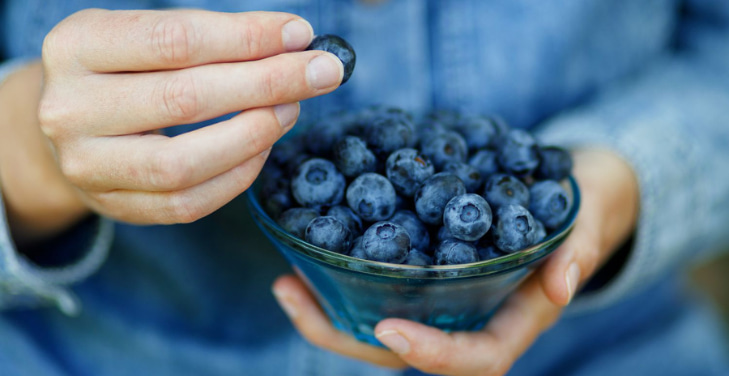
Overeating blueberries may cause digestive issues and unexpected side effects in some individuals.
What Are Blueberries?
Blueberries represent a small group of bioactive fruits that feature prominently in modern healthy diets. Their deep bluish-purple color reflects high nutrient density and suggests the presence of many cell-protective compounds. Their juicy texture and subtly sweet taste make them easy to incorporate into various daily consumption methods.
Botanical Characteristics
Blueberries belong to the genus Vaccinium, growing on low-growing shrubs in temperate climates. The fruit is round, small in size, and has a thin, powdery skin that protects the internal structure. Their high water content provides a distinctly refreshing sensation.
Nutritional Profile
Blueberries provide vitamin C, vitamin K, soluble fiber, and manganese in consistent amounts. The high anthocyanin content plays a prominent role, contributing to their characteristic color and promoting strong antioxidant activity.
Common Culinary Uses
Blueberries are versatile, appearing in smoothies, salads, baked goods, and breakfast dishes. Users can easily incorporate this fruit into their daily diet, creating a rich and convenient nutritional experience.
Are Blueberries Safe for Everyone?
Blueberries offer high nutritional value and are suitable for most people in various dietary contexts. Their natural composition is rich in vitamins, fiber, and antioxidants that support many physiological functions. However, bodily reactions vary significantly between individuals, resulting in different levels of tolerance.
General Tolerance
Blueberries are absorbed efficiently by the body due to their easily digestible structure and balanced nutrient density. Healthy adults typically experience a mild, pleasant feeling after consuming them in appropriate portions.
Sensitive Individuals
Some sensitive individuals react strongly to the bioactive components in blueberries. The immune system may trigger a specific response, manifested as skin changes or general discomfort.
Portion Awareness
Consumption directly impacts physiological experience. Appropriate portions maintain a stable state, while large amounts increase the burden on the digestive and metabolic systems.
Potential Allergic Reactions
Allergic reactions to blueberries occur when the immune system recognizes proteins in the fruit as a trigger. This mechanism creates a rapid and clear chain reaction, affecting multiple organs simultaneously. The intensity of the reaction varies depending on individual susceptibility and immune sensitivity.
Immune Response Mechanism
The immune system releases histamine and inflammatory mediators immediately after contact with the allergen. This process dilates blood vessels, increases vascular permeability, and stimulates sensory nerve endings.
Common Symptoms
Sensitive individuals may experience rashes, itchy skin, and swelling of the lips or eyelids. Gastrointestinal reactions include nausea or abdominal discomfort. Respiratory reactions include nasal congestion or a feeling of tightness in the throat.
When to Seek Medical Attention
Severe reactions such as widespread swelling, difficulty breathing, dizziness, or hypotension require immediate medical attention. Early detection of symptoms helps control risks and protect health and safety.
Digestive Issues from Overeating
Consuming large quantities of blueberries puts significant pressure on the digestive system, especially when the body simultaneously receives a high amount of fiber and natural sugars. Digestive activity becomes more intense, bowel movements increase significantly, and the gut microbiota reacts noticeably. This state leads to many unpleasant symptoms if prolonged.
High Fiber Load
Blueberries provide a significant amount of soluble fiber, stimulating bowel movements and promoting fermentation in the colon. The rapid increase in fiber causes the digestive system to work continuously at high intensity.
Bloating and Gas Formation
The fermentation of carbohydrates in the intestines produces gas, increasing pressure in the abdominal cavity. Users clearly feel bloating, fullness, and discomfort after meals.
Osmotic Effect and Loose Stools
Natural sugars along with polyol compounds in blueberries draw water into the intestines, increasing stool volume. This phenomenon leads to frequent bowel movements and loose stools when consumption exceeds the body's normal limits.
Blood Sugar Concerns
Blueberries contain natural sugars and easily absorbed carbohydrates, directly impacting blood glucose levels after consumption. The body responds quickly to this energy source through insulin regulation and cellular metabolism. The degree of impact depends on the portion size and individual metabolic status.
Natural Sugar Content
Blueberries provide fructose and glucose in moderate amounts, creating a postprandial increase in blood glucose. Absorption occurs in the small intestine, and glucose is rapidly released into the bloodstream.
Glycemic Response
Blueberries have a low to medium glycemic index; however, large consumption increases the overall glycemic load. Insulin response increases to move glucose into cells and maintain homeostasis.
Considerations for Diabetes
Individuals managing blood glucose should pay attention to blueberry portions in each meal. Proper distribution along with protein or fat helps stabilize blood glucose and maintain stable energy levels throughout the day.
Interaction with Medications
Blueberries contain many bioactive compounds that can affect drug metabolism in the body. Flavonoids and anthocyanins affect liver enzymes, thereby altering the rate of drug absorption and excretion. This interaction is evident with frequent or large-quantity use.
Effects on Blood-Thinning Medications
Blueberries provide vitamin K, a factor directly involved in blood clotting. Increased vitamin K levels in the diet alter the effectiveness of anticoagulants, thereby affecting the coagulation-hemostasis balance.
Influence on Liver Enzymes
The polyphenols in blueberries regulate the activity of the cytochrome P450 enzyme system. This mechanism alters the rate of drug metabolism, leading to fluctuations in drug concentration in the blood.
Impact on Glucose-Lowering Drugs
Blueberries support blood glucose control by improving insulin sensitivity. When combined with hypoglycemic drugs, a synergistic effect occurs, creating significant fluctuations in blood glucose levels.
Risk of Pesticide Exposure
Blueberries in agricultural production are often exposed to various pesticides to control pests and optimize yield. Chemical residues remaining on the fruit's surface create a potential source of exposure when consumed regularly. The level of impact depends on cultivation practices, storage, and handling before consumption.
Surface Residue Accumulation
The thin skin of blueberries easily retains chemical compounds from the growing environment. Residues accumulate on the fruit's surface and enter the body through the digestive tract when consumed directly.
Chronic Exposure Effects
Prolonged exposure to small amounts of pesticides affects the nervous system, endocrine system, and liver function. These compounds participate in metabolic processes and cause biological changes over time.
Importance of Proper Cleaning
Thorough rinsing under running water combined with soaking in a suitable solution significantly removes chemical residues. This practice enhances food safety and supports long-term health protection.
Effects of Excessive Antioxidants
Blueberries are notable for their high antioxidant content, particularly anthocyanins and flavonoids, which strongly affect the body's oxidative balance. As consumption increases, biological systems adjust homeostasis in a more complex way, leading to noticeable changes.
Oxidative Balance Shift
Antioxidants help neutralize free radicals and maintain cellular stability. When concentrations increase, the body shifts to a state of biological imbalance, affecting intracellular signaling and natural adaptation processes.
Interference with Cellular Signaling
Anthocyanins and polyphenols influence signaling pathways such as NF-κB and MAPK. This activity regulates gene expression and inflammatory responses, thereby causing changes in cellular function.
Nutrient Interaction Dynamics
Large amounts of antioxidants affect the absorption of certain micronutrients such as iron and zinc. Biological competition occurs in the digestive tract, altering the overall efficiency of nutrient utilization.
Blueberry Consumption in Children and Infants
Blueberries offer high nutritional value for young children, but require special attention to their use and portion sizes. Children's digestive systems and swallowing reflexes are still developing, so preparation and serving methods directly impact their eating experience and safety.
Choking Risk and Texture Modification
Whole blueberries are small, have a smooth surface, and easily slide in the mouth. Caregivers often chop or lightly mash them to suit the child's chewing and swallowing abilities, reducing pressure on the airway.
Age-Appropriate Serving Sizes
Portions are adjusted according to age and energy needs. Moderate intake allows young children to gradually adapt to the fiber and bioactive compounds in blueberries.
Digestive Adaptation in Early Life
A child's gut microbiome reacts strongly to changes in diet. Blueberries provide natural prebiotics, supporting a balanced gut microbiome and promoting stable digestive function.
How Much Is Too Much?
The amount of blueberries consumed daily directly affects the body's metabolic state and physiological well-being. A reasonable serving size maintains stable nutritional benefits, while high consumption places significant strain on the digestive system and homeostasis. Determining the appropriate threshold is crucial for long-term health.
Recommended Intake Range
A common serving size ranges from about one cup per day, equivalent to 150–200 grams, providing sufficient antioxidants and essential vitamins. This level supports efficient bodily function and maintains biological balance.
Signs of Overconsumption
The body reacts noticeably when blueberry intake exceeds the tolerable threshold. Users experience bloating, increased bowel motility, and changes in bowel frequency after each meal.
Individual Variability
Nutritional needs and tolerance vary with age, activity level, and health status. Adjusting portion sizes based on your body's feedback helps optimize benefits and maintain a stable state.
Conclusion
Blueberries offer a dense nutritional profile along with many powerful bioactive compounds, contributing to overall health. Appropriate consumption creates a stable biological balance and a positive feeling in the body.
The right amount helps maintain metabolic efficiency, while excessive consumption triggers digestive reactions, blood sugar fluctuations, and complex biological interactions. Adjusting portion sizes based on individual needs optimizes benefits and ensures long-term safety.
Frequently Asked Questions (FAQs)
- Does eating a lot of blueberries harm the digestive system? – Consuming large amounts of blueberries increases fiber and natural sugar intake, which can stimulate bowel activity. This may lead to bloating, gas, and noticeable changes in stool consistency in some individuals.
- Can blueberries cause serious allergies? – Although uncommon, some individuals may experience allergic reactions to blueberries. Symptoms can involve the skin, digestive system, or respiratory tract, and severe reactions require prompt medical attention.
- Should people with diabetes limit their blueberry intake? – Blueberries contain natural sugars that can affect blood glucose levels. Portion control and combining them with balanced meals help support stable glucose management throughout the day.
- Do blueberries interact with medications? – Bioactive compounds in blueberries may influence liver enzyme activity and blood clotting. This can affect how certain medications, such as anticoagulants, work in the body, so monitoring intake is advisable.
- Is it safe for young children to eat blueberries? – Blueberries are nutritious for children when served in appropriate sizes and portions. Cutting or mashing them improves safety and helps support digestion as children adapt to new foods.
