
Each slice of raw beetroot boasts a vibrant red color, a subtly sweet taste, and a wealth of nutrients, sparking a desire for health through natural foods. Along with this appeal, many people are also concerned about the potential effects this root vegetable may have on the body.
Understanding the potential risks, side effects, and proper usage helps make each meal safer, more balanced, and more effective. Accurate knowledge provides a solid foundation for choosing foods that suit individual nutritional needs and health conditions.
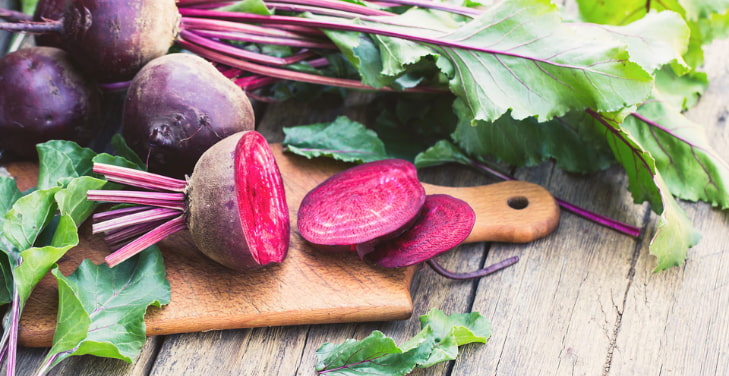
Raw beets provide valuable nutrients but require mindful consumption to minimize potential health risks.
What are Raw Beets?
Raw beets offer a rich source of natural nutrients and contribute to a diverse daily diet. Their crisp texture, sweet flavor, and distinctive red color make them increasingly popular in salads, juices, and smoothies.
Botanical Characteristics
Beets (Beta vulgaris) belong to the Amaranthaceae family and develop as large, swollen root tubers with a deep purplish-red or yellow skin depending on the variety. The flesh contains plenty of water, fiber, vitamin C, folate, manganese, and plant compounds such as betalain, which contribute to their vibrant color and characteristic nutritional value.
Nutritional Value in Raw Form
The raw state preserves many heat-sensitive vitamins and maintains the activity of several antioxidant compounds. The natural nitrate content in beets helps support nitric oxide production, promoting blood circulation and maintaining vascular function in the body. Both soluble and insoluble fiber contribute to nourishing the gut microbiome, supporting digestion, and increasing feelings of fullness.
Are Raw Beets Safe to Eat?
Raw beets are suitable for most healthy adults when using clean ingredients and proper preparation. Their abundant nutritional value and refreshing taste make them a popular component in many healthy diets.
General Safety
Fresh beets provide folate, vitamin C, potassium, manganese, fiber, and the bioactive pigment betalains. Proper rinsing, peeling, and storage at the correct temperature help maintain food quality before use.
Proper Preparation
Slicing or shredding them creates a softer texture and makes them easier to eat. Moderate servings combined with a variety of vegetables, fruits, and quality protein sources provide nutritional balance and support efficient nutrient absorption.
Common Side Effects of Eating Raw Beets
Raw beets offer many valuable nutrients, but they also produce some natural physiological reactions in some people. The degree of these reactions depends on the amount consumed, digestive capacity, and individual health status.
Digestive Changes
The high fiber content promotes digestive activity and increases fermentation in the colon. Some people experience bloating, gas, or mild abdominal distension in the initial stages of adding raw beets to their diet.
Beeturia
Betalamin pigment gives urine and stool a red or pink color after eating beets. This reflects the body's natural elimination of pigment and usually occurs within a few hours after a meal.
Mild Stomach Irritation
The firm texture and high fiber content create greater digestive pressure in some people with sensitive digestive systems. Chewing thoroughly, eating moderate portions, and combining these with foods rich in protein or healthy fats will help your body adapt more easily.
Can Raw Beets Increase the Risk of Kidney Stones?
Raw beets contain many beneficial nutrients, but also a relatively high amount of natural oxalates. This characteristic attracts the attention of nutrition experts when developing diets for groups at risk of kidney stone formation.
Oxalate Content
Oxalate combines with calcium in urine and facilitates the formation of calcium oxalate crystals. Regularly consuming large portions of raw beets increases the total daily oxalate intake.
Who May Be More Susceptible?
Individuals who have previously had calcium oxalate stones, those with chronic kidney disease, or those following a high-oxalate diet should pay more attention to their beet intake. Assessing risk based on medical history and dietary habits helps create a suitable diet plan.
Risk Reduction Tips
Drinking enough water, maintaining a balanced diet, and incorporating calcium-rich foods into your meals helps support oxalate binding in the digestive tract. This habit optimizes your diet and supports long-term urinary tract health.
Who Should Limit or Avoid Raw Beets?
Raw beets offer many nutritional benefits; however, certain groups need to be more cautious in their diet to suit their health characteristics and metabolic needs.
People With Kidney Stone History
Individuals with a history of calcium oxalate kidney stones need to control their oxalate intake. Adjusting beet portions according to nutritionist guidelines can help support urinary tract health and maintain mineral balance.
Individuals With Digestive Sensitivity
Sensitive digestive systems respond more readily to the abundant fiber and plant compounds in raw beets. Small, gradually increasing portions combined with easily digestible foods help the body adapt.
People With Low Blood Pressure
The natural nitrate content in beets promotes nitric oxide production and supports vasodilation. People with low blood pressure or those on a blood pressure control regimen should monitor their body's reaction and choose a dosage appropriate to their health condition.
Can Raw Beets Interact With Medications or Health Conditions?
Raw beets contain natural nitrates, potassium, and many bioactive compounds that can affect several health conditions and the effectiveness of treatments. Proper portion sizes optimize nutritional benefits and enhance safety.
Blood Pressure Medications
The nitrates in beets contribute to the production of nitric oxide, which supports vasodilation and improves blood circulation. Those taking blood pressure medication should monitor their blood pressure regularly and consult with their doctor to adjust their diet accordingly.
Diabetes and Kidney Conditions
Beets contain natural carbohydrates, so those managing blood sugar need to consider the carbohydrate content in their daily diet. Those with kidney disease should pay attention to potassium and oxalate levels to create a diet that supports their kidney function and treatment goals.
How to Eat Raw Beets More Safely
The right way to select and prepare raw beets helps maximize their nutritional value and supports better adaptation by the body. Simple preparation steps make a significant difference in the quality and safety of the meal.
Select Fresh Beets
Prioritize beets with a firm surface, intact skin, bright color, and healthy green leaves if they still have stems. Wash thoroughly under running water, scrub off any dirt and sand, and peel off the outer skin to improve food hygiene.
Eat Moderate Portions
Moderate portions allow the digestive system to adapt to the natural fiber and oxalate content. Slicing thinly or shredding makes the dish easier to enjoy and more palatable.
Build a Balanced Meal
Combine beets with green vegetables, fruits, protein-rich foods, and calcium sources like yogurt or cheese for a more balanced meal. Drinking enough water throughout the day also contributes to the health of the urinary system and metabolism.
When Should You Stop Eating Raw Beets?
Raw beets are suitable for many people; however, the body always sends important signals when dietary adjustments are needed. Early recognition of abnormal signs helps protect health and reduce the risk of complications.
Persistent Digestive Symptoms
Persistent abdominal pain, noticeable bloating, frequent diarrhea, or persistent discomfort after eating beets indicates a digestive system assessment. Temporarily stopping consumption and consulting a healthcare professional will help determine the exact cause.
Allergic Reactions
Itching, rash, swollen lips, swollen tongue, wheezing, or difficulty breathing reflect an allergic reaction that requires prompt medical attention. These symptoms should be closely monitored to ensure safety.
Medical Evaluation
Individuals experiencing symptoms related to kidney stones, changes in kidney function, or blood pressure fluctuations should consult with their doctor and a nutritionist to develop a diet plan suitable for their current health condition.
Raw Beets vs. Cooked Beets
Both raw and cooked beets contribute significant nutritional value; however, each form offers unique characteristics in terms of nutrient composition, digestibility, and dietary goals.
Nutritional Differences
Raw beets retain higher levels of vitamin C and some heat-sensitive compounds. Cooked beets have a softer texture, allowing the body to access nutrients more easily as plant cell walls soften.
Digestibility
The crisp texture and high fiber content of raw beets create a feeling of fullness and stimulate digestion. Cooked beets offer a softer eating experience, suitable for those who want to reduce the strain on their digestive system during meals.
Choosing the Right Option
Those who enjoy salads, juices, or smoothies often prefer raw beets. Those who prefer stews, steamed, or roasted dishes can easily choose cooked beets. The flexible combination of both forms helps to diversify the menu and provide comprehensive nutritional supplementation.
Conclusion
Raw beets provide fiber, vitamins, minerals, natural nitrates, and antioxidants that are valuable for health. Choosing fresh ingredients, processing them cleanly, and using them in appropriate portions helps maximize nutritional benefits while supporting effective adaptation by the body.
Each person has unique nutritional needs and health conditions. Adjusting the amount of beets appropriately, monitoring the body's reaction, and consulting a healthcare professional when necessary will contribute to building a safe, balanced, and sustainable diet in the long term.
Frequently Asked Questions (FAQs)
- Is it safe to eat raw beets every day? – Most healthy adults can include raw beets daily in moderate portions. Choosing fresh produce, washing thoroughly, maintaining a varied diet, and staying well hydrated can help support balanced nutrition and long-term health.
- Why does urine turn red after eating raw beets? – Beets contain betalain pigments that can pass through the body and give urine or stool a red or pink color in some individuals. This harmless effect, known as beeturia, reflects normal pigment excretion after consumption.
- Should people with a history of kidney stones eat raw beets? – Individuals with a history of calcium oxalate kidney stones may need to monitor their oxalate intake. Consulting a healthcare professional can help determine a suitable amount of beets based on personal health status and dietary needs.
- Are raw or cooked beets better for the digestive system? – Cooked beets are softer and may be easier to digest for some people, while raw beets provide more fiber and a crisp texture. The best option depends on individual tolerance, digestive comfort, and personal preference.
- How much raw beetroot is appropriate to eat at one time? – A moderate portion, such as half to one medium-sized beetroot per meal, is suitable for most adults. The ideal amount depends on overall diet, health condition, and activity level.
