
Petroleum jelly only delivers its skincare benefits when users understand its safety limits and apply it correctly. Every choice made during use directly impacts its effectiveness in protecting the skin, its ability to retain moisture, and the overall daily skincare experience.
Many questions surrounding side effects, irritation risks, and precautions remain a concern. This article analyzes potential risks, areas for caution, and provides practical guidance for safe and effective use of petroleum jelly in daily life.
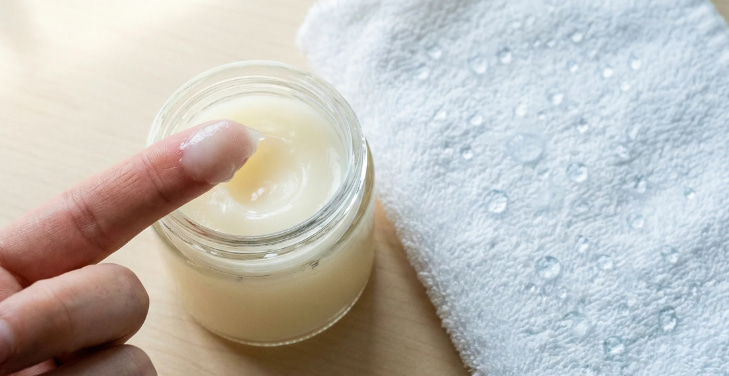
Proper petroleum jelly use supports skin protection while reducing the likelihood of unwanted irritation.
Is Petroleum Jelly Safe for Most People?
Petroleum jelly has a high safety profile in skincare when users choose the right product and apply it according to instructions. This ingredient is widely found in many dermatological preparations due to its stability, ability to protect the skin barrier, and long-lasting moisturizing effect.
General Safety Profile
Petroleum jelly is suitable for many age groups and skin types. Its pure hydrocarbon structure creates a moisture-locking film on the skin's surface, helping maintain a favorable environment for the skin's protective barrier to function effectively and supporting the care of dry, rough skin areas.
Why Product Quality Matters
Product quality determines effectiveness and safety during use. Consumers should prioritize petroleum jelly that is cosmetic-grade, has a clear origin, intact packaging, and transparent ingredient information to ensure skincare standards.
Cosmetic-Grade Versus Non-Cosmetic Products
Cosmetic-grade petroleum jelly undergoes a rigorous refining process to meet the standards for skincare products. Choosing the right product optimizes skin protection and enhances safety for daily use.
Common Side Effects of Petroleum Jelly
Petroleum jelly offers benefits to many users; however, some unwanted reactions can still occur depending on skin type and usage. Understanding common side effects helps in more effective and appropriate skincare.
Skin Irritation and Allergic Reactions
Some people with very sensitive skin may experience itching, redness, burning, or rashes after applying petroleum jelly. Testing the product on a small area before widespread use helps assess skin compatibility.
Breakouts in Acne-Prone Skin
The moisture-locking film of petroleum jelly can trap excess oil, dead skin cells, and impurities on the skin's surface if the skin isn't thoroughly cleansed. This contributes to acne breakouts in people with acne-prone skin.
Trapped Heat or Moisture
Petroleum jelly effectively retains heat and moisture on the skin's surface. When applied too thickly to warm, humid skin or areas with many folds, the product can create a stuffy, prolonged feeling of moisture and reduce comfort in daily activities.
Can Petroleum Jelly Cause Serious Health Risks?
Petroleum jelly rarely causes serious health risks when users choose a standard product and apply it correctly. Most problems arise related to usage, application site, or skin condition at the time of use.
Concerns When Applied to Deep Wounds or Burns
Deep wounds and burns require specialized care to support the healing process. The use of petroleum jelly in these cases should be appropriate for the healing stage and under the guidance of a healthcare professional to ensure effective care.
Risks of Improper Use
Applying petroleum jelly to areas of skin with dirt, excess oil, or microorganisms can trap these elements on the skin's surface for longer. Cleanse the skin before use and apply a sufficient amount to enhance protection while maintaining a clean and breathable skin environment.
Who Should Avoid or Limit Petroleum Jelly?
Petroleum jelly is suitable for many people; however, some groups need to consider how to use it for optimal skincare results. Skin characteristics, damage levels, and the environment in which it is used all influence the choice of suitable products.
People with Specific Skin Sensitivity
Individuals with very sensitive skin or who have previously experienced reactions to topical products should test petroleum jelly on a small area of skin before using it extensively. This approach helps assess compatibility and develop a suitable skincare routine.
Individuals Prone to Folliculitis
Individuals prone to folliculitis should use a moderate amount and focus on cleansing their skin before application. The moisture barrier combined with excess oil, sweat, and dead skin cells can create conditions that put more pressure on hair follicles.
Situations Where Alternative Products May Be Preferred
Some skin conditions require products containing restorative, antibacterial, or specialized therapeutic ingredients to meet their treatment goals. A healthcare professional will select the appropriate solution based on the skin's characteristics and the extent of the damage.
Safety Concerns for Different Areas of the Body
Each area of the body has its own physiological characteristics, so the way petroleum jelly is used must be appropriate for each location. Applying the correct method helps maximize skin protection and enhance safety in daily care.
Face and Lips
The face and lips benefit from the moisture-locking ability of petroleum jelly, especially in dry weather or after moisturizing. Users should apply a thin layer to clean skin to maintain softness and limit excess oil buildup.
Around the Nose
The skin around the nose often becomes dry and rough when the weather changes or after frequent nose wiping. Petroleum jelly helps reduce friction, maintain moisture, and provide a comfortable feeling for this sensitive area.
Diaper Area, Minor Cuts, and Scrapes
Petroleum jelly helps protect the diaper area from the effects of moisture and friction. After cleansing the skin or treating minor scratches, a thin layer of the product helps maintain a favorable environment for skin care and surface restoration.
Can Petroleum Jelly Interact With Other Skincare Products?
Petroleum jelly often acts as a moisture-locking agent in skincare routines. The way it's combined with other products directly affects the effectiveness of each step, as the protective film can impact the skin's ability to retain active ingredients.
Layering with Moisturizers
Petroleum jelly works best when used after moisturizer. The moisture-locking film helps retain water and skincare ingredients on the surface longer, contributing to a softer feel and supporting the skin's protective barrier.
Use Alongside Medicated Creams
Many treatment creams require time to absorb before being combined with petroleum jelly. Following your doctor's or manufacturer's instructions ensures the active ingredients are effective and supports a stable skincare routine.
Timing for Best Results
The timing of applying petroleum jelly affects the effectiveness of the entire skincare routine. This product is typically used as the final step after liquid formulations, serums, or creams to create a protective layer and maintain moisture for an extended period.
How to Reduce the Risk of Side Effects
Using petroleum jelly correctly enhances skincare effectiveness and reduces the likelihood of unwanted reactions. Several simple habits during use contribute to maintaining healthy skin and allowing the product to maximize its benefits.
Clean Skin Before Application
Clean skin provides a favorable foundation for petroleum jelly to work effectively. Washing away dirt, excess oil, and sweat before application helps create a hygienic moisture-locking barrier on the skin's surface, supporting more stable skincare.
Use the Right Amount
A thin layer of petroleum jelly usually provides good moisturizing and a comfortable feeling on the skin. Proper application helps maintain skin breathability and supports the skin's protective barrier.
Maintain Hygienic Application and Choose Reputable Products
Users should handle the product with clean hands or a specialized tool, and prioritize cosmetic-grade petroleum jelly from reputable brands. This process helps ensure product quality and increases safety in daily use.
When Should You Stop Using Petroleum Jelly?
Petroleum jelly is suitable for many skincare situations; however, monitoring your skin's reaction is always important. Certain skin signs indicate it's time to change your skincare routine or seek medical advice.
Signs of Irritation
Redness, itching, burning, swelling, or a rash after applying petroleum jelly reflects an incompatibility issue. Stopping use at this stage allows the skin to stabilize and helps identify the cause of the reaction.
Persistent Skin Problems
Persistent dryness, acne, folliculitis, or irritation requires a thorough evaluation. A healthcare professional will examine your skin characteristics, identify contributing factors, and choose the appropriate skincare solution for each case.
When to Seek Medical Advice
Signs of significant swelling, increased pain, discharge, or spreading across the skin surface require prompt medical attention. Professional assessment helps to develop appropriate treatment plans and effectively protect skin health.
Conclusion
Petroleum jelly provides protection and hydration to the skin when users choose a standard product, use it correctly, and maintain a proper skincare routine. Understanding common side effects and safety precautions helps improve its effectiveness in daily life.
Observing skin reactions, maintaining hygiene during application, and consulting a healthcare professional in special situations will contribute to long-term skin health and ensure safe and effective use of petroleum jelly.
Frequently Asked Questions (FAQs)
- Can petroleum jelly make acne worse? – Petroleum jelly forms an occlusive barrier that helps reduce moisture loss from the skin. People with oily or acne-prone skin may prefer applying a thin layer to clean skin and avoiding excessive use on areas that are prone to breakouts.
- Is petroleum jelly safe to use every day? – Many people use cosmetic-grade petroleum jelly daily to help protect dry skin and chapped lips. Applying an appropriate amount to clean skin and maintaining good skin hygiene can support safe and effective everyday use.
- Can petroleum jelly cause allergic reactions? – Allergic reactions to purified petroleum jelly are uncommon, but some people may experience redness, itching, or a rash after use. Applying a small amount to a limited area first can help assess individual skin compatibility.
- Should petroleum jelly be applied to open wounds? – Petroleum jelly may be used on minor cuts and superficial wounds after the area has been cleaned, as it can help keep the wound moist during healing. Deep wounds, severe burns, or injuries requiring medical care should be evaluated by a healthcare professional.
- How can you use petroleum jelly more safely? – Wash your hands and cleanse the skin before application, use only the amount needed, keep the container tightly closed, and choose cosmetic-grade petroleum jelly from reputable manufacturers. These practices can help support safe and effective skin care.
