
L-Tyrosine participates in many important biological activities, contributing to concentration, stress tolerance, and the synthesis of essential hormones. This amino acid is attracting increasing attention in the field of nutrition and health due to its profound role in the body's functions.
Behind each L-Tyrosine supplement lies a fascinating chain of biological mechanisms unfolding every second in the brain and tissues. Understanding its advantages, limitations, and appropriate usage helps make informed decisions and build a scientifically based health care strategy.
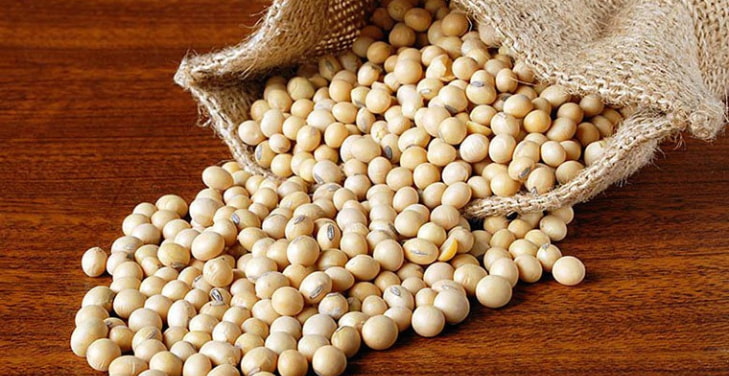
L-tyrosine supplementation offers potential benefits alongside important safety considerations for informed daily use.
What Is L-Tyrosine?
L-Tyrosine is an amino acid involved in many important biological processes, particularly in the functioning of the nervous and endocrine systems. This compound provides the raw material for the synthesis of many essential molecules, thereby contributing to maintaining cognitive function, the ability to adapt to stress, and the body's metabolic activity.
How L-Tyrosine Is Produced in the Body
The body produces L-Tyrosine through the metabolism of the amino acid phenylalanine under the action of specific enzymes. Once formed, L-Tyrosine participates in the synthesis of dopamine, norepinephrine, epinephrine, and thyroid hormones. These compounds regulate alertness, concentration, stress response, and many other important physiological activities.
Dietary Sources and Supplement Forms
L-Tyrosine is naturally present in many protein-rich foods such as poultry, red meat, fish, eggs, milk, cheese, soybeans, beans, and nuts. A balanced diet provides a consistent daily supply of tyrosine. Besides food sources, L-Tyrosine is also available in capsule, tablet, or soluble powder form, making it convenient for those needing supplementation for specific health or performance goals.
How Does L-Tyrosine Work?
L-Tyrosine is directly involved in many biochemical reactions and plays a central role in the nervous and endocrine systems. After absorption, this amino acid becomes a raw material for synthesizing compounds that regulate brain activity, stress adaptation, and energy metabolism in the body.
Role in Neurotransmitter Production
L-Tyrosine provides the foundation for the body to synthesize dopamine, norepinephrine, and epinephrine. These neurotransmitters regulate concentration, alertness, motivation, information processing speed, and the efficiency of coordination between nerve cells in many daily activities.
Connection to Stress Response
When the body faces physical or mental stress, the need to produce neurotransmitters increases significantly. L-Tyrosine supplements the raw materials for biochemical reactions, helping maintain cognitive performance, adaptability, and energy levels during short-term stress.
Importance in Thyroid Hormone Synthesis
L-Tyrosine also participates in the formation of thyroid hormones T3 and T4. These hormones regulate metabolic rate, energy production, cardiovascular function, nervous system activity, and many other important physiological processes, helping maintain balance throughout the body.
L-Tyrosine Pros
L-Tyrosine supports many important physiological functions by providing the raw materials for the synthesis of neurotransmitters and hormones. Many studies have noted that this substance contributes to improved mental performance under certain physiological conditions, while also helping the body maintain a stable state of activity under daily stress.
Supporting Focus and Cognitive Performance
L-Tyrosine participates in the formation of dopamine and norepinephrine, two neurotransmitters related to concentration, information processing ability, and reaction speed. This cognitive support helps maintain flexibility in tasks requiring high levels of thinking intensity.
Helping Maintain Mental Performance During Stress
Periods of physical or mental stress increase the need for neurotransmitter synthesis. L-Tyrosine helps maintain essential neurotransmitter levels, thereby supporting alertness, attention span, and work efficiency in the short term.
Contributing to Neurotransmitter Balance
L-Tyrosine participates in the biochemical reaction chain that produces dopamine, norepinephrine, and epinephrine. Adequate levels of these compounds help regulate nervous system activity, emotions, motivation, and adaptation to environmental changes.
Supporting Overall Protein Metabolism
L-Tyrosine also plays a role in protein metabolism and participates in the synthesis of many important biological molecules. When combined with a balanced diet, this substance helps maintain cellular activity, support metabolic function, and enhance the efficiency of many physiological processes in the body.
L-Tyrosine Cons
L-Tyrosine offers many benefits in certain situations, but also comes with considerations before use. The level of response is influenced by individual physical condition, health status, dosage, and supplementation goals. A comprehensive assessment helps develop a more appropriate and safe usage plan.
Common Side Effects
Some people may experience headaches, nausea, stomach upset, restlessness, or insomnia when using high doses or supplementing for an inappropriate duration. Monitoring your body's reaction helps adjust the usage plan effectively and appropriately.
Situations Where Benefits May Be Limited
The effectiveness of L-Tyrosine depends on actual physiological needs and nutritional status. Individuals with a high-protein diet and stable tyrosine synthesis usually see more modest improvements, while the intended use also significantly impacts the results achieved.
Individual Differences in Response
Genetic factors, age, metabolic function, endocrine activity, and lifestyle contribute to differences in the absorption and utilization of L-Tyrosine. Individualized dosage and regular monitoring optimize supplementation effectiveness while enhancing safety throughout the treatment period.
Who May Benefit Most from L-Tyrosine?
L-Tyrosine is suitable for certain groups with higher physiological needs during specific periods. Timely, targeted supplementation helps support nerve function, maintain mental performance, and meet the body's metabolic needs.
People Under Short-Term Physical or Mental Stress
Individuals experiencing intense work, study, or physical stress often deplete neurotransmitters. L-Tyrosine provides the building blocks for dopamine and norepinephrine synthesis, thereby supporting alertness, concentration, and cognitive performance during short-term stress periods.
Individuals With Low Dietary Protein Intake
Low-protein diets reduce the supply of essential amino acids for many biological reactions. L-Tyrosine helps replenish essential nutrients, contributing to the maintenance of metabolic activity, nerve function, and the synthesis of many important compounds in the body.
Athletes and Highly Active Adults
People who regularly exercise or maintain high-intensity activity need to meet greater metabolic demands. L-Tyrosine supports focus during training, contributing to improved performance and promoting the body's adaptation to prolonged activity.
Who Should Be Cautious or Avoid It?
L-Tyrosine is suitable for many healthy adults; however, certain groups require careful assessment of their health status before supplementation. Considering medical history, medications currently being used, and nutritional needs helps develop a safe L-Tyrosine usage plan that optimizes long-term effectiveness.
People With Thyroid Disorders
L-Tyrosine is involved in the synthesis of thyroid hormones. Individuals with hyperthyroidism, hypothyroidism, or those undergoing treatment for thyroid disorders should consult their doctor to determine the appropriate dosage and monitor their endocrine function throughout the course of treatment.
Those Taking Certain Medications
Some medications for chronic diseases may affect the metabolism or physiological effects of L-Tyrosine. A thorough review of all prescription, over-the-counter, and dietary supplements helps healthcare professionals develop a personalized usage plan.
Pregnancy, Breastfeeding, and Children
Pregnant women, breastfeeding women, and children require nutritional stability and physiological development as priorities. L-Tyrosine supplementation during these periods should be based on professional assessment, actual needs, and guidance from healthcare professionals to ensure suitability for each specific case.
How Much L-Tyrosine Is Typically Used?
The dosage of L-Tyrosine depends on the intended use, health status, and product instructions. Choosing the right amount of supplementation helps meet the body's physiological needs while facilitating efficient metabolic processes and neurotransmitter synthesis.
Common Supplemental Dosage Ranges
Commercial studies and products typically use doses ranging from 500–2,000 mg per day for adults. Some studies on cognitive performance under stress conditions use higher doses based on body weight and are closely monitored by healthcare professionals.
Factors Affecting Individual Needs
Age, weight, level of physical activity, diet, supplementation goals, and metabolic status all affect L-Tyrosine requirements. A thorough assessment of these factors helps select the appropriate dosage for each individual and maximizes effectiveness.
Importance of Following Product Directions
Each L-Tyrosine product has its own content, purity, and usage instructions. Adhering to the recommended dosage on the product label or as directed by a healthcare professional helps maintain safety, optimize absorption, and support the body in achieving its supplementation goals effectively.
Tips for Safe and Effective Use
Using L-Tyrosine correctly optimizes absorption and maximizes the bioavailability of this amino acid. Choosing a quality product, selecting appropriate supplementation times, and monitoring the body's response will lay the foundation for effective and sustainable use.
Choosing a High-Quality Supplement
Prioritize products from reputable brands that clearly state the L-Tyrosine content, raw materials, and quality control standards. Transparent ingredients and standardized manufacturing processes help ensure the purity, stability, and effectiveness of each dose.
Best Timing for Supplementation
L-Tyrosine is often used before activities requiring concentration or before high-intensity exercise. Maintaining a regular supplementation schedule helps the body establish a stable metabolic habit and facilitates absorption.
Monitoring for Side Effects
Observing how your body feels throughout use helps assess the appropriateness of the current dosage. Recording changes in sleep, concentration, energy levels, and overall mood after supplementation helps adjust the usage plan to better suit individual physiological needs.
L-Tyrosine vs. Getting Tyrosine From Food
Tyrosine can come from everyday foods or supplements. Each source contributes to the body's amino acid needs in its own way. Choosing the right source based on diet, health goals, and nutritional needs helps maintain a stable and efficient metabolic state.
Rich Dietary Sources
Poultry, beef, fish, eggs, milk, cheese, soy, beans, pumpkin seeds, and almonds provide abundant sources of tyrosine. A varied diet also provides vitamins, minerals, and many other bioactive compounds, contributing to overall health and protein synthesis.
Food Versus Supplements
Foods provide tyrosine along with many essential nutrients in a balanced nutritional structure. Supplements provide a concentrated dose of tyrosine, helping to quickly meet needs during periods of increased amino acid demand for nutritional goals or cognitive performance.
When Supplementation May Be Appropriate
Individuals with higher tyrosine requirements due to intense studying, working, or sports training may consider supplementation as directed by a healthcare professional. A usage plan tailored to dietary intake, health status, and individual goals will contribute to improved effectiveness and long-term physiological balance.
Is L-Tyrosine Worth Taking?
The value of L-Tyrosine depends on individual physiological needs, health goals, and usage context. A comprehensive assessment of diet, stress levels, and metabolic status helps determine the appropriate time for supplementation, thereby enhancing effectiveness and maintaining nutritional balance.
Weighing the Pros and Cons
L-Tyrosine supports the synthesis of neurotransmitters and thyroid hormones, but it comes with considerations regarding dosage, health status, and individual response. Considering all these factors helps build a supplementation strategy that aligns with long-term goals.
Matching Supplementation to Individual Goals
Each goal, such as improving focus, maintaining mental performance, or supporting mobility, requires a specific usage plan. Adjusting the dosage and timing of supplementation according to actual needs helps optimize the value of L-Tyrosine at each stage.
Questions to Discuss With a Healthcare Professional
Consulting with a healthcare professional helps determine the appropriate dosage and assess medical history, diet, and current medications. This individualized approach improves supplementation effectiveness, maintains safety, and better meets long-term health care goals.
Conclusion
L-Tyrosine offers many benefits in supporting neurotransmitter synthesis, maintaining cognitive performance, and responding to short-term stress. The effectiveness of supplementation depends on individual physiological needs, diet, and health status.
Decisions to use L-Tyrosine should be based on clear goals, selecting a quality product, appropriate dosage, and consultation with a healthcare professional. A personalized approach optimizes benefits, enhances safety, and builds a sustainable healthcare strategy.
Frequently Asked Questions (FAQs)
- Can L-tyrosine be taken daily? – Many adults take L-tyrosine daily at doses appropriate for their needs and according to product instructions or guidance from a healthcare professional. A balanced diet and regular monitoring of your response can help support safe and effective supplementation.
- When is the best time to take L-tyrosine? – Many people choose to take L-tyrosine before studying, working, or exercising to support alertness and mental performance. The most suitable timing depends on your goals, daily routine, and the specific product's instructions.
- What foods are rich in L-tyrosine? – Natural sources of L-tyrosine include meat, fish, eggs, milk, cheese, soybeans, legumes, and many types of nuts. Eating a varied diet with protein-rich foods can help provide tyrosine along with other essential nutrients.
- Is L-tyrosine suitable for athletes? – Some athletes use L-tyrosine to support mental performance during periods of intense training or psychological stress. Individual supplementation plans should be based on dietary intake, training demands, and advice from a qualified healthcare professional.
- Is it necessary to consult a healthcare professional before using L-tyrosine? – Consulting a healthcare professional can help evaluate your health status, medications, dietary habits, and supplementation goals. Personalized guidance can help determine an appropriate dosage and support safe, effective use of L-tyrosine.
