
Some plant compounds produce powerful effects even when present in very small amounts in the daily diet. Flavonoids are a prominent group of compounds because they participate in many biological mechanisms related to cardiovascular health, brain function, and the immune system.
Many people choose flavonoids for their antioxidant value and abundant food sources. Understanding both the advantages and the points to consider helps make informed decisions, optimize supplementation effectiveness, and maintain long-term health benefits.
Flavonoids offer antioxidant benefits while requiring mindful intake in specific health situations and populations.
What Are Flavonoids?
Flavonoids are a group of naturally occurring polyphenol compounds widely distributed in plants. This group contributes to the color of many vegetables and fruits and participates in many biological processes beneficial to human health. Their diverse chemical structures give flavonoids many remarkable biological properties.
Definition and Classification
Flavonoids include many subgroups such as flavonols, flavones, flavanones, flavan-3-ols, anthocyanins, and isoflavones. Each group has its own chemical structure, is found in specific food sources, and exhibits different biological activities. This diversity contributes to the broad role of flavonoids in nutrition and healthcare.
Common Dietary Sources
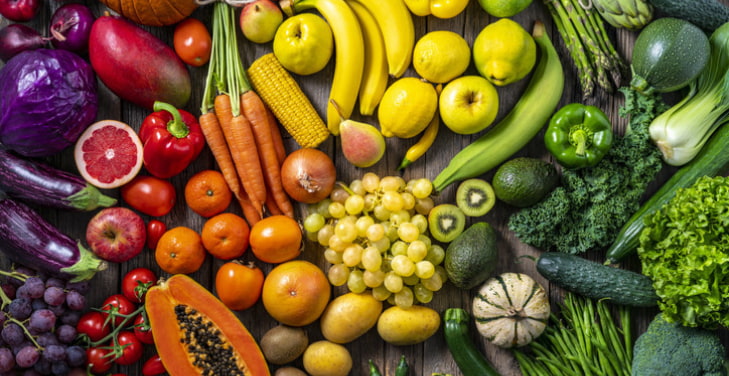
Citrus fruits, berries, apples, grapes, onions, broccoli, kale, green tea, black tea, cocoa, and beans all provide significant amounts of flavonoids. A diverse diet rich in plant-based foods provides a wide variety of flavonoids, thereby enhancing overall nutritional value and supporting many physiological functions of the body.
How Flavonoids Work in the Body
After entering the body, flavonoids undergo absorption, metabolism, and distribution to various tissues. These compounds regulate many important biological mechanisms, thereby helping maintain homeostasis and support organ function.
Antioxidant Activity
Flavonoids help neutralize free radicals generated during cellular metabolism and under environmental influences. Simultaneously, they promote the activity of many endogenous antioxidant systems, helping to maintain the stability of cell membranes, proteins, and genetic material.
Anti-inflammatory Effects
Flavonoids regulate many signals related to inflammatory responses. This mechanism helps control the release of inflammatory mediators, supports a balanced immune response, and facilitates long-term health maintenance.
Bioavailability and Metabolism
The absorption of flavonoids depends on their chemical structure, gut microbiota, food form, and processing method. The liver and gut microbiota further metabolize flavonoids into bioactive substances, which are then distributed to various tissues to exert their effects in the body.
Pros of Flavonoids
Flavonoids attract scientific attention due to their ability to participate in many health-related biological processes. When regularly present in a balanced diet, this group of compounds contributes to improving nutritional quality and supporting the maintenance of function in many organs.
Supports Heart Health
Flavonoids contribute to maintaining vascular endothelial function, supporting circulation and promoting the flexibility of blood vessel walls. These compounds also help regulate oxidative and inflammatory reactions, creating favorable conditions for cardiovascular health. Many studies have also noted a link between a flavonoid-rich diet and stable cardiovascular function and healthy vascular aging.
Promotes Brain and Immune Function
Flavonoids support the activity of nerve cells, contributing to the maintenance of memory, concentration, and cognitive function over time. At the same time, these active compounds help regulate the immune response, promote biological balance, and support the body's adaptation to environmental factors. The abundant sources of flavonoids in vegetables, fruits, tea, and cocoa make daily supplementation convenient and sustainable.
Cons of Flavonoids
Flavonoids offer many nutritional benefits, but their use should be based on physiological characteristics, health status, and appropriate dosage. Understanding these limitations helps develop a scientific supplementation plan, improve effectiveness, and maintain long-term safety.
Variable Absorption Among Individuals
The absorption of flavonoids varies depending on the gut microbiota, age, diet, and metabolic characteristics of each individual. This difference creates diverse biological responses, affecting the effectiveness of the same amount of flavonoids in the daily diet.
Potential Interactions With Certain Medications
Some flavonoids affect the activity of drug-metabolizing enzymes and transport proteins in the body. This mechanism can alter the concentration of certain medications used to treat cardiovascular diseases, blood thinners, or immunomodulators; therefore, professional evaluation is necessary to optimize treatment effectiveness.
Risks of Excessive Supplement Use
High doses of supplements over extended periods increase the likelihood of digestive upset, headaches, or changes in the body's biological response. Scientific evidence is also constantly being updated regarding some advertised benefits, so choosing a product that meets standards and using it according to instructions always provides greater health benefits.
Flavonoids From Foods vs. Supplements
Flavonoids are naturally present in many everyday foods and are also available as supplements with concentrated active ingredients. Choosing the right source optimizes nutritional value, meets health goals, and supports long-term biological balance.
Advantages of Whole-Food Sources
Green vegetables, fruits, tea, cocoa, and legumes provide flavonoids along with fiber, vitamins, minerals, and many bioactive plant compounds. This combination creates a synergistic effect, contributing to improved nutrient absorption and supporting cardiovascular, immune, and antioxidant functions.
Benefits and Limitations of Supplements
Supplements offer standardized flavonoid levels, making them suitable for individuals needing to meet specific nutritional requirements. Choosing products that meet quality standards, adhering to recommended dosages, and maintaining a balanced diet will help maximize effectiveness while ensuring safety and long-term health benefits.
Who May Benefit Most From Flavonoids?
Flavonoids are suitable for many population groups due to their ability to support antioxidant activity, regulate inflammatory responses, and maintain organ function. The effectiveness depends on overall diet, lifestyle, and individual nutritional needs.
Adults Seeking Antioxidant Support
Adults who are frequently exposed to stress, environmental pollution, or high-intensity work may benefit from a flavonoid-rich diet. These compounds help protect cells from oxidation while also supporting metabolic health and immune function.
Older Adults
Older adults have a greater need for plant compounds that support cardiovascular, brain, and vascular function. Flavonoids help maintain circulation, support cognitive function, and promote healthy aging. Those who follow a diet rich in fruits and vegetables and wish to improve cardiovascular health can also supplement flavonoids through their daily food intake to enhance nutritional quality.
Who Should Use Flavonoids With Caution?
Flavonoids offer many health benefits; however, certain groups require a usage plan tailored to their clinical condition and treatment goals. A comprehensive assessment helps optimize supplementation effectiveness and maintain safety during use.
People Taking Blood-Thinning Medications
Individuals taking anticoagulants or antiplatelet medications should monitor flavonoid supplementation under the guidance of a healthcare professional. Some flavonoids can affect the activity of drug-metabolizing enzymes and blood clotting responses, so choosing the appropriate dosage leads to better health management.
Pregnant or Breastfeeding Women
Pregnant and breastfeeding women should prioritize flavonoid sources from natural foods to meet their daily nutritional needs. The use of dietary supplements should be based on professional evaluation, especially when choosing products containing concentrated active ingredients or combinations of multiple plant extracts.
Tips for Safe and Effective Flavonoid Intake
The effectiveness of flavonoids depends on the food source, dosage, and how it is maintained over the long term. A sensible supplementation strategy helps maximize the bioavailability of flavonoids, while supporting overall health and improving daily nutritional quality.
Eat a Variety of Colorful Fruits and Vegetables
A diet rich in colorful fruits and vegetables provides a wide range of flavonoids along with vitamins, minerals, and fiber. Food diversity allows the body to absorb a rich spectrum of plant compounds, contributing to cardiovascular health, immunity, and antioxidant processes at the cellular level.
Follow Supplement Label Directions
Flavonoid supplements are most effective when used at the manufacturer's recommended dosage or as directed by a healthcare professional. Choosing high-quality products, combined with a balanced diet and maintaining a healthy lifestyle, optimizes the long-term health benefits of flavonoids.
How to Maximize the Benefits While Minimizing the Risks
The effectiveness of flavonoids depends on food sources, dosage, and daily lifestyle habits. A scientifically backed supplementation strategy helps enhance the bioavailability of flavonoids while supporting the body in maintaining balance and sustainable health.
Combine Flavonoids With a Balanced Diet
A diet rich in green vegetables, fruits, legumes, tea, and whole grains provides flavonoids along with many essential nutrients. This combination of plant compounds, vitamins, minerals, and fiber creates a comprehensive nutritional foundation that enhances antioxidant effects and supports cardiovascular and brain function.
Monitor Supplement Use
Using supplements at the recommended dosage helps maintain flavonoid levels appropriate for the body's needs. Monitoring usage, staying updated on new scientific evidence, and regularly consulting with healthcare professionals help optimize long-term benefits and build a healthcare plan tailored to each stage of life.
Conclusion
Flavonoids are a group of highly bioactive plant compounds that contribute to cardiovascular health, brain function, immunity, and antioxidant processes. The effectiveness of flavonoids is enhanced when combined with a varied diet, a healthy lifestyle, and quality food sources.
The choice between natural foods and supplements should be based on nutritional needs, health status, and individual goals. Making the right decision optimizes long-term benefits, improves healthcare quality, and maintains the body's biological balance.
Frequently Asked Questions (FAQs)
- Can flavonoids be consumed every day? – Flavonoids can be consumed daily as part of a balanced diet that includes fruits, vegetables, tea, cocoa, and legumes. Eating a wide variety of plant foods helps provide different flavonoids that support overall health.
- Which foods contain the highest amounts of flavonoids? – Foods rich in flavonoids include berries, citrus fruits, apples, grapes, onions, kale, broccoli, green tea, black tea, cocoa, and soybeans. Each food provides different flavonoid subclasses with distinct biological properties.
- Are flavonoid supplements better than foods? – Whole foods provide flavonoids together with fiber, vitamins, minerals, and other beneficial plant compounds. Flavonoid supplements may be appropriate for specific nutritional needs when high-quality products are used according to guidance from a healthcare professional.
- Can flavonoids interact with medications? – Yes. Some flavonoids may influence drug-metabolizing enzymes and affect the absorption of certain medications. People taking anticoagulants or other long-term prescription medicines should consult a healthcare professional before using high-dose flavonoid supplements.
- How long does it take to experience flavonoid benefits? – The time required to experience the benefits of flavonoids varies depending on diet, health status, absorption, and lifestyle. Regular intake of flavonoid-rich foods over time may help support long-term health as part of a balanced dietary pattern.
