
Phytosterols are among the most extensively studied plant compounds for their potential to support cholesterol control and protect cardiovascular health. Their presence in everyday foods and fortified products has attracted significant attention from both scientists and consumers.
Understanding their advantages, limitations, usage, and suitable target groups helps build an effective phytosterol supplementation strategy. Accurate knowledge forms the foundation for smart nutritional decisions and contributes to long-term health.
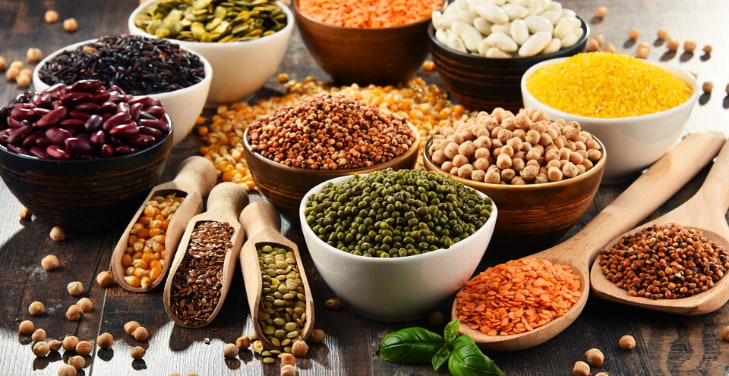
Phytosterols support cholesterol management but also present important considerations for long-term daily intake.
What Are Phytosterols?
Phytosterols are a group of plant compounds that occur naturally in many foods and play an important role in cardiovascular health. Their value stems from their chemical structure and ability to influence cholesterol metabolism in the body.
Natural Plant Compounds
Phytosterols are abundant in vegetable oils, nuts, beans, whole grains, and seeds. Common representatives include beta-sitosterol, campesterol, and stigmasterol. A diet rich in plant-based foods often provides a natural source of phytosterols that support cardiovascular health.
Similar Structure to Cholesterol
Phytosterols possess a molecular structure similar to human cholesterol, facilitating absorption in the intestines. This characteristic allows phytosterols to compete for absorption sites with cholesterol in food, thereby contributing to the regulation of LDL cholesterol levels in the blood.
Common Dietary Forms
Phytosterols come from natural foods, fortified foods like margarine, yogurt, or juices, and various supplement forms such as capsules and tablets. Each form has its own characteristics, meeting the nutritional needs and health goals of individuals.
How Do Phytosterols Work?
Phytosterols directly influence cholesterol metabolism through a widely studied biological mechanism. These compounds are highly effective when combined with a healthy diet and a healthy lifestyle, thereby contributing to sustainable cardiovascular health improvement.
Competing With Cholesterol Absorption
Phytosterols participate in absorption in the small intestine and occupy space in fat-containing micelles. This mechanism reduces the amount of cholesterol entering the bloodstream, thus helping to lower LDL cholesterol levels. The effect accumulates over time when phytosterols are maintained at appropriate levels in the daily diet.
Supporting Cardiovascular Health
Lowered LDL cholesterol levels help maintain healthy blood vessels and optimize circulatory function. Phytosterols are most effective when combined with a high-fiber diet, regular exercise, weight management, and a healthy lifestyle, contributing to long-term cardiovascular health.
Pros of Phytosterols
Phytosterols have garnered widespread attention due to their ability to support cardiovascular health through various studied mechanisms. The value of these compounds extends to preventative nutrition, contributing to a healthy lifestyle and improving long-term healthcare.
Supports Healthy LDL Cholesterol
Phytosterols help reduce cholesterol absorption in the intestines, thereby helping maintain LDL cholesterol levels within a beneficial range. This effect helps protect the cardiovascular system and improve lipid profiles when combined with a balanced diet.
Naturally Present in Plant Foods
Many foods such as nuts, beans, vegetable oils, and whole grains provide naturally occurring phytosterols along with fiber, vitamins, and minerals. This diverse source of nutrients contributes to a balanced and biologically rich diet.
Widely Available and Convenient
Phytosterols are present in fortified foods and many forms of dietary supplements, offering flexibility to meet individual needs. Users can easily choose products that suit their nutritional goals and health care plans.
Backed by Scientific Research
Numerous clinical studies have documented the role of phytosterols in cholesterol management and supporting cardiovascular health. The growing body of evidence helps healthcare professionals develop recommendations based on scientific evidence and individual characteristics.
Cons of Phytosterols
Phytosterols offer many benefits for cardiovascular health, but they also come with some considerations during use. Understanding these limitations helps develop a reasonable supplementation plan and optimize long-term effectiveness.
May Influence Carotenoid Absorption
Phytosterols may reduce the absorption of some carotenoids such as beta-carotene, lycopene, and lutein. Users should maintain a diet rich in colorful fruits and vegetables to support the balance of important antioxidant compounds in the body.
Limited Effects on Other Blood Lipids
Phytosterols primarily focus on improving LDL cholesterol. Their impact on HDL cholesterol and triglycerides is generally modest. Therefore, a balanced diet and regular physical activity remain crucial in managing metabolic health.
Benefits Require Consistent Intake
The effectiveness of phytosterols depends on consistent use in appropriate daily amounts. Combining them with a high-fiber diet, weight management, and regular exercise enhances their value in cardiovascular health management strategies.
Who May Benefit Most From Phytosterols?
Phytosterols are particularly beneficial for individuals seeking to improve cardiovascular health and manage cholesterol. Their effectiveness is enhanced when combined with a healthy diet, regular exercise, and a personalized health plan.
Adults With Elevated LDL Cholesterol
Adults with high LDL cholesterol levels often benefit greatly from phytosterols. Appropriate daily supplementation contributes to improved blood lipid profiles and supports long-term cardiovascular risk reduction.
Individuals Following Heart-Healthy Diets
Those who maintain diets rich in vegetables, fruits, whole grains, legumes, and healthy fats often benefit greatly from phytosterols. This combination optimizes cholesterol management and improves cardiovascular health.
People Seeking Additional Cholesterol Support
Phytosterols are also suitable for individuals seeking additional cholesterol management support or guidance from healthcare professionals. Choosing quality products, using the correct dosage, and monitoring regularly can enhance long-term health benefits.
Who Should Be Cautious?
Phytosterols are suitable for many adults; however, certain groups require careful health assessment before supplementation. Choosing the right target group optimizes effectiveness and helps develop a safe and scientifically sound healthcare plan.
People with Sitosterolemia
Individuals with sitosterolemia have a genetic predisposition that increases the absorption and accumulation of phytosterols in the blood. This group needs a specific diet and adherence to guidance from a specialist to control sterol levels in the body.
Pregnant and Breastfeeding Women
Pregnant and breastfeeding women should consult with a healthcare professional before using phytosterol supplements. Assessing nutritional needs and health status helps develop a suitable supplementation plan for both mother and child.
People Using Cholesterol-Lowering Medications
Individuals using cholesterol-lowering medications benefit from regular monitoring and professional advice when combining them with phytosterols. A proper combination of medication, diet, and lifestyle improves the effectiveness of blood lipid management and long-term cardiovascular health care.
Food Sources vs. Supplements
Phytosterols are present in both natural foods and supplements, offering a variety of options to suit different nutritional needs. Understanding the characteristics of each source helps build an effective, convenient, and appropriate supplementation strategy for cardiovascular health goals.
Natural Food Sources
Vegetable oils, almonds, walnuts, sunflower seeds, sesame seeds, soybeans, and whole grains provide phytosterols along with fiber, vitamins, and antioxidants. A diverse diet from whole foods contributes to overall nutritional value and supports long-term health.
Fortified Foods and Supplements
Many products such as margarine, yogurt, fortified drinks, and supplements provide a consistent amount of phytosterols per serving. This format facilitates those who need to meet recommended supplementation levels to support effective cholesterol management.
Tips for Safe and Effective Use
Phytosterols are most effective when users develop a supplementation plan tailored to their nutritional needs and health status. Scientific use maximizes cholesterol benefits and contributes to long-term cardiovascular health.
Follow Recommended Intake
Most studies show significant effectiveness when phytosterol intake reaches approximately 1.5–3 g per day. Maintaining a stable supplementation level helps control LDL cholesterol and lays the foundation for a sustainable cardiovascular care strategy.
Combine With a Healthy Lifestyle
A diet rich in green vegetables, fruits, whole grains, and legumes, along with regular physical activity, enhances the value of phytosterols. Maintaining a healthy weight and limiting saturated fats also help improve blood lipid profiles.
Choose Quality Products
Consumers should prioritize products with clear origins, transparent phytosterol content disclosure, and that meet quality standards. Regular health monitoring helps assess the effectiveness of supplements and adjust nutritional plans accordingly at each stage.
Conclusion
Phytosterols help control LDL cholesterol by reducing cholesterol absorption in the intestines. Both natural food sources and supplements contribute to enhanced effectiveness when combined with a balanced diet and a healthy lifestyle.
The choice of phytosterols should be based on individual health goals, blood lipid profiles, and nutritional needs. Appropriate use, consistent maintenance, and regular monitoring optimize long-term benefits and build a solid foundation for cardiovascular and metabolic health.
Frequently Asked Questions (FAQs)
- Are phytosterols effective in lowering cholesterol? – Research suggests that phytosterols can help lower LDL cholesterol when consumed regularly in recommended amounts. Their cholesterol-lowering effect is greatest when combined with a plant-rich diet, regular physical activity, and maintaining a healthy body weight.
- Can phytosterols be supplemented daily? – Most healthy adults can use phytosterols daily according to recommended amounts. Consistent intake may help maximize their long-term cholesterol-lowering benefits as part of an overall heart-healthy lifestyle.
- What foods are rich in phytosterols? – Natural sources of phytosterols include vegetable oils, sunflower seeds, almonds, walnuts, sesame seeds, soybeans, and whole grains. Eating a variety of plant-based foods can help increase daily phytosterol intake.
- Are phytosterol supplements better than natural foods? – Phytosterol supplements provide standardized and convenient amounts, while natural foods also supply fiber, vitamins, minerals, and other beneficial plant compounds. The best option depends on individual dietary habits, nutritional needs, and cholesterol management goals.
- Who should consult a healthcare professional before using phytosterols? – People with sitosterolemia, pregnant or breastfeeding women, and individuals taking cholesterol-lowering medications should consult a healthcare professional before using phytosterols. Personalized guidance can help determine whether supplementation is appropriate.
