
Concerns about sunscreen ingredients are rapidly increasing globally. Consumers are now paying closer attention to the active chemical ingredients in their daily skincare products, particularly oxybenzone.
New studies are constantly emerging, providing valuable data on the absorption through the skin, biological effects, and environmental impact of this compound. The trend toward products with transparent ingredient lists is also fueling the need for deeper understanding of the potential risks associated with oxybenzone.
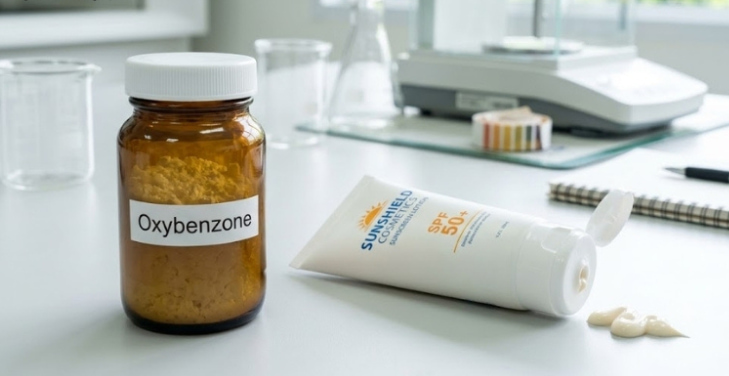
Oxybenzone exposure may affect skin health, hormones, and overall wellness.
What Is Oxybenzone?
Oxybenzone is found in thousands of sunscreens worldwide and acts as a chemical filter that absorbs ultraviolet (UV) rays. This compound has attracted significant scientific attention due to its ability to interact with various biological processes in the body.
Chemical Profile
Oxybenzone, also known as benzophenone-3, belongs to a group of organic compounds capable of absorbing UVA and UVB rays. When exposed to sunlight, this molecule converts UV energy into heat, thereby helping protect the skin against the effects of solar radiation.
Common Sources of Exposure
Manufacturers often add oxybenzone to sunscreens, lip balms, moisturizers, cosmetics, and many other personal care products. Daily use creates a continuous source of exposure, especially in areas with high sun intensity.
Why Researchers Study It
The studies focused on its absorption through the skin, its presence in the blood, and its distribution in tissues. These findings expand our understanding of how oxybenzone interacts with biological systems and influences long-term health.
Why Oxybenzone Has Become Controversial
Oxybenzone was once a familiar ingredient in many sunscreens. However, a new wave of research and growing public health concerns have brought this compound to the center of scientific debate.
Human Exposure Concerns
Researchers have noted oxybenzone in blood, urine, and certain biological tissues after exposure to products containing this active ingredient. This data has spurred numerous investigations into cumulative exposure levels and physiological effects over time.
Hormonal Activity Research
Several studies have focused on oxybenzone's potential interactions with the endocrine system. This topic has attracted significant attention from health professionals, toxicologists, and regulatory agencies when assessing the long-term safety of the active ingredient.
Environmental Impact Debate
Oxybenzone has also generated considerable discussion regarding the marine environment. Studies have documented the presence of this compound in coastal waters, thereby prompting programs to assess its impact on ecosystems and biodiversity.
How Oxybenzone Enters the Body
Each time you apply sunscreen containing oxybenzone, your body is exposed to a compound that can cross multiple biological barriers. This process is continuous and influenced by the chemical properties of the active ingredient as well as the actual application conditions.
Skin Absorption Pathway
The skin acts as the primary gateway. Oxybenzone is oil-soluble and easily penetrates the stratum corneum, then reaches deeper tissue layers. Environmental temperature, humidity, and the area of skin where the product is applied all contribute to absorption.
Distribution Through the Body
Once in circulation, oxybenzone is distributed through the bloodstream to various organs and tissues. The liver participates in the metabolism of this compound, while the circulatory system transports its metabolites throughout the body.
Factors That Increase Exposure
Frequency of use, large amounts of product, prolonged outdoor activity, and multiple reapplications throughout the day all increase cumulative exposure to oxybenzone.
Potential Hormonal Effects of Oxybenzone
The potential to affect the endocrine system is one of the most interesting topics surrounding oxybenzone. Scientists have spent years studying how this compound interacts with the complex network of hormones that regulate growth, reproduction, metabolism, and biological balance.
Interaction With Hormone Receptors
Oxybenzone exhibits biological activity towards several hormone receptors in the body. This interaction can alter endocrine signaling at the cellular level, thereby impacting many daily physiological processes.
Endocrine System Sensitivity
The endocrine system operates through highly precise chemical signals. When exogenous compounds enter this network, the body responds with sophisticated biological adjustments to maintain functional balance.
Research Findings and Ongoing Interest
Animal studies and laboratory models continue to explore the link between oxybenzone and hormone activity. New data contribute to expanding our understanding of the potential effects of this compound on human health.
Skin Reactions and Allergic Responses
The skin is the first organ to come into contact with oxybenzone, so local reactions often attract the attention of dermatologists and researchers. The severity of the reaction depends on skin characteristics, frequency of use, and individual immune response.
Contact Dermatitis
Some people experience redness, itching, burning, or rashes after contact with oxybenzone-containing products. This reaction is related to the activation of immune cells in the epidermis and dermis.
Photosensitivity Reactions
Oxybenzone can undergo chemical reactions when exposed to sunlight. This process increases local inflammatory responses, making the skin more sensitive to ultraviolet radiation.
Individual Risk Factors
Sensitive skin, a history of cosmetic allergies, and a weakened skin barrier are often more likely to experience oxybenzone-related skin reactions.
Oxybenzone and Pregnancy Concerns
Pregnancy is a period of profound biological changes in the body, where the endocrine system, metabolism, and fetal development are closely intertwined. For this reason, any compound capable of entering the bloodstream attracts particular attention from the medical community.
Maternal Absorption and Circulation
After absorption through the skin, oxybenzone can appear in the mother's bloodstream. This presence has spurred numerous studies to understand how the compound distributes throughout pregnancy.
Fetal Development Research
Scientists are focusing on evaluating the link between oxybenzone exposure and the stages of fetal development. Further research explores potential effects related to growth, endocrine function, and cell differentiation.
Public Health Interest
This topic has received widespread attention from obstetricians, pediatricians, and toxicologists. New data are continuously contributing to the assessment of oxybenzone's safety during pregnancy.
Possible Long-Term Health Risks
The long-term effects of oxybenzone remain a key area ofresearch in environmental health and toxicology. The repeated presence of this compound in the body has spurred numerous investigations to clarify the potential biological effects that may accumulate over time.
Bioaccumulation Potential
Studies have found traces of oxybenzone in blood, urine, and various other biological samples following frequent exposure. This suggests that the body continuously interacts with the compound throughout the duration of use of oxybenzone-containing products.
Chronic Biological Exposure
Prolonged exposure is of particular concern to physiological systems such as the endocrine, reproductive, and metabolic systems. Scientists assess how small changes at the cellular level can affect health over many years.
Future Research Directions
Many research programs are currently focusing on the molecular mechanisms, biomarkers, and long-term effects of oxybenzone to build a more comprehensive picture of the compound's safety.
Environmental and Ecological Concerns
Oxybenzone has sparked extensive discussions beyond the realm of human health. As this compound enters the natural environment via water currents from marine activities and tourism, ecologists are beginning to assess its potential impacts on marine ecosystems.
Coral Reef Health
Studies have documented the presence of oxybenzone in many well-known coral reef areas. The compound has attracted attention due to its potential to affect the development, growth, and regeneration of young coral structures.
Marine Ecosystem Exposure
Many marine organisms are exposed to oxybenzone through seawater and sediments. The compound's persistent presence in the environment prompts research into food chains and ecological balance.
Regulatory and Conservation Efforts
Several coastal areas are implementing conservation programs to reduce the amount of the chemical entering the ocean. These initiatives help raise awareness about protecting biodiversity and marine resources.
Safer Alternatives to Oxybenzone
The increasing need for UV protection has spurred the development of many new sunscreen options. Dermatologists are now interested in ingredients with clear safety profiles, stable efficacy, and good compatibility with a wide range of skin types.
Mineral UV Filters
Zinc oxide and titanium dioxide are two mineral filters widely used in modern sunscreens. These minerals create a protective layer on the skin's surface and help reduce the effects of UVA and UVB rays.
Advanced Sunscreen Formulations
Many new formulas combine modern UV filters with antioxidants and moisturizing ingredients. This approach enhances skin protection while improving the daily user experience.
Smart Sun Protection Habits
Sun-protective clothing, sunglasses, wide-brimmed hats, and limiting exposure to intense sunlight are important supplementary measures. Combining multiple protective strategies helps optimize skin health over the long term.
Who Should Be Most Cautious With Oxybenzone?
The level of impact of oxybenzone can vary among populations. Certain groups receive particular attention from healthcare professionals due to their unique physiological characteristics and more sensitive biological responses to environmental factors.
Children and Developing Bodies
Children possess rapidly developing and maturing organ systems. Their thinner skin and higher skin-to-weight ratio make their exposure to topical active ingredients a subject of extensive research.
People With Sensitive Skin
Individuals with sensitive skin often experience stronger reactions to active ingredients in cosmetics and sunscreens. Choosing the right ingredients helps maintain a healthy skin barrier.
Individuals With Hormonal Considerations
Those concerned about endocrine health often pay more attention to compounds that may interact with their hormonal system. This group includes individuals who closely monitor factors affecting long-term biological balance.
Conclusion
Oxybenzone is a common sunscreen ingredient with effective ultraviolet (UV) absorption capabilities. However, studies across various fields have expanded our understanding of this compound's presence in the human body and the natural environment.
Scientific data related to endocrine health, skin reactions, pregnancy, and marine ecosystems continue to attract the attention of professionals. A thorough understanding of the ingredients in personal care products helps consumers make more informed choices that align with their health needs and long-term skin protection goals.
Frequently Asked Questions (FAQs)
- Is oxybenzone harmful to human health? – Oxybenzone has been widely studied because it can be absorbed through the skin and detected in biological samples. Researchers continue to evaluate its potential effects on the endocrine system, skin health, and other physiological functions.
- Can oxybenzone cause skin irritation? – Some individuals may experience itching, redness, or sensitivity reactions after exposure to products containing oxybenzone. Reactions vary depending on skin type, immune response, and frequency of use.
- Why is oxybenzone controversial in sunscreen products? – Oxybenzone remains a topic of discussion because of ongoing research into its potential effects on human health and the environment. Its detection in biological samples and aquatic ecosystems has prompted extensive scientific investigation.
- Are mineral sunscreens a good alternative? – Mineral sunscreens containing zinc oxide or titanium dioxide are widely used alternatives that provide broad-spectrum UV protection and are commonly included in modern sunscreen formulations.
- Does oxybenzone affect marine ecosystems? – Oxybenzone has been detected in coastal waters and coral reef environments. Researchers continue to study its potential influence on marine organisms, biodiversity, and ecosystem balance.
