
One health secret attracting significant attention from fitness experts is its ability to control the body from the core. Pilates activates deep muscle groups, improves posture, and promotes flexibility through precise, highly connected movements.
Many people choose Pilates to improve their fitness, maintain a toned physique, and achieve mental balance in today's fast-paced lifestyle. Deep breathing and a steady sequence of movements also help the body maintain more sustained energy levels each day.
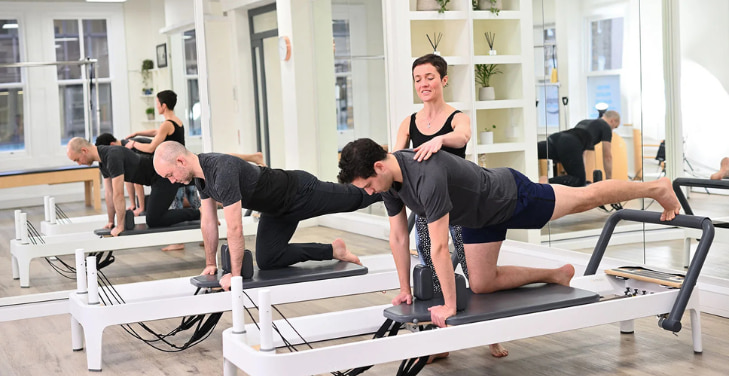
Pilates workouts combine mindful movement and muscle control for full body wellness support.
What Is Pilates Exercise?
Pilates is a system of exercise that focuses on body control, core strength, and improved movement quality. This method creates a distinct connection between breath, muscles, and balance. Many people choose Pilates to improve fitness, maintain a toned physique, and support good posture throughout the day.
Origins of Pilates
Joseph Pilates developed this discipline in the early 20th century to strengthen the whole body through precise movement. He combined breath control techniques, mental focus, and mechanical stability in each exercise. Pilates quickly attracted dancers, athletes, and rehabilitation professionals.
Core Principles of Pilates
Pilates emphasizes control, continuity, and precision in movement. Practitioners activate their deep abdominal muscles, maintain spinal stability, and coordinate their breathing with each movement. This approach creates a foundation of physical flexibility, suppleness, and endurance.
How Pilates Shapes the Body
Pilates supports body shaping through slow, steady, and controlled movements. The exercises strongly impact the abdominal, hip, back, and thigh areas, thereby creating a balanced, toned, and more flexible physique for daily activities.
How Pilates Exercise Works
Pilates works by controlling movement and activating deep muscle groups throughout the body. Each movement creates a harmonious coordination between the nervous system, breathing, and muscle strength. This exercise promotes balance, increases stability, and improves the quality of daily movement.
Core Stability and Muscle Activation
Pilates strongly focuses on the core muscles, including the abdomen, lower back, hips, and pelvic floor. Practitioners maintain continuous muscle contraction in each movement to create a stable foundation for the spine. This process helps the body move more confidently, flexibly, and with greater endurance.
Breathing and Movement Coordination
Breathing plays a crucial role in guiding the rhythm of the entire Pilates exercise. Practitioners adjust their inhalation and exhalation rhythms with each movement to enhance muscle control and oxygen circulation. Deep breathing creates a clear sense of focus and helps the body maintain stable energy throughout the workout.
Main Types of Pilates Exercise
Pilates has evolved into many forms of exercise to meet the needs of movement, recovery, and fitness improvement for various groups of people. Each type of Pilates has its own characteristics in terms of intensity, equipment, and muscle activation. This diversity makes it easy for practitioners to choose a method that suits their health goals and mobility.
Mat Pilates
Mat Pilates uses body weight to increase core strength and improve flexibility. Practitioners perform a series of movements on a mat with slow, steady, and controlled movements. This form promotes balance, increases flexibility, and enhances body awareness.
Reformer Pilates
Reformer Pilates uses specialized exercise machines with springs and resistance bands to create stable resistance for the muscles. The exercises deeply impact the abdominal, back, leg, and shoulder areas, while also supporting improved posture and coordination. Many fitness centers choose Reformer Pilates as an effective way to improve overall body strength and shape the physique.
Clinical Pilates
Clinical Pilates aims to rehabilitate and support mobility for individuals with musculoskeletal problems. Experts design exercises tailored to physical condition to improve stability, increase muscle control, and promote the body's natural recovery.
Top Health Benefits of Pilates
Pilates offers numerous holistic health benefits through its controlled movements and effective deep muscle activation. This discipline supports improved physical fitness, enhances mobility, and promotes balance between body and mind. Many rehabilitation and fitness experts consider Pilates a sustainable health care method.
Improved Core Strength
Pilates strengthens the core muscles, including the abdomen, lower back, and hips. The exercises maintain a constant state of muscle contraction, thereby creating a stable foundation for the entire body. Core strength improves balance, enhances mobility, and supports more efficient spinal function.
Better Posture and Flexibility
Pilates promotes muscle stretching and posture correction through precise movements. Practitioners clearly feel increased flexibility in the shoulders, back, hips, and spine after regular practice. Body posture becomes more balanced, stable, and flexible in daily activities.
Mental Focus and Stress Relief
Pilates fosters a state of strong focus through deep breathing and controlled movement. The practice helps relax the mind, maintain emotional stability, and increase alertness in daily activities.
Muscles Targeted During Pilates
Pilates works multiple muscle groups simultaneously through controlled and coordinated full-body movements. This discipline fosters strong coordination among strength, flexibility, and body stability. Practitioners clearly feel changes in their abdomen, back, hips, and legs after consistent practice.
Deep Core Muscles
Pilates strongly activates the deep abdominal, intercostal, and pelvic floor muscles, creating a stable foundation for the spine. Continuous muscle contractions increase core strength, improve balance, and enhance daily mobility. The abdominal area becomes firmer and more toned over time.
Back and Shoulder Stabilizers
Pilates promotes the activity of the middle back, lower back, and shoulder muscles to support body posture. Slow, controlled movements help maintain spinal stability while improving coordination between the shoulders and back. As a result, the body becomes more flexible, stable, and well-balanced during daily movements.
Who Can Benefit From Pilates Exercise?
Pilates is suitable for many groups due to its flexible intensity adjustment and focus on movement quality. This discipline helps improve muscle strength, increase flexibility, and enhance body control in daily activities. Many health experts consider Pilates a comprehensive exercise method for both physical and mental well-being.
Beginners and Office Workers
Beginners can easily access Pilates through its slow and controlled movements. Office workers often choose Pilates to improve posture, increase shoulder and neck flexibility, and support more stable lower back function. The exercises also promote blood circulation and reduce stiffness after prolonged sitting.
Older Adults and Athletes
Older adults benefit from Pilates because it improves balance, enhances flexibility, and supports stable movement. Athletes use Pilates to strengthen their core, improve muscle coordination, and maintain effective recovery after high-intensity training.
People Seeking Mental Balance
Pilates creates a distinct sense of focus through deep breathing and controlled movement. The practice helps stabilize the mind, maintain positive energy, and enhance the connection between body and mind.
What Happens in a Typical Pilates Class?
A typical Pilates class offers a highly controlled movement experience that combines breathing, muscle strength, and mental focus. Participants move continuously through a series of exercises to activate deep muscles, improve posture, and increase overall flexibility. The class atmosphere is usually focused, stable, and energetic.
Warm-Up and Breathing Preparation
The class begins with light warm-up exercises to heat the body and activate the core muscles. The instructor guides deep breathing to increase focus and prepare for the next sequence of movements. The body gradually becomes more flexible, stable, and ready for movement.
Controlled Movement Sequences
Participants perform Pilates movements at a slow, steady, and precise pace. Each movement engages the abdominal, back, hip, and leg muscles to increase muscle strength and improve balance. The training process creates a feeling of the body functioning more smoothly and with greater control.
Stretching and Recovery
The final part of the workout focuses on stretching and relaxing the entire body. Stretching movements help increase flexibility, promote blood circulation, and provide a feeling of lightness and balance after exercise.
Pilates Exercise for Weight Loss and Fitness
Pilates supports weight loss and improves fitness through a series of continuous, controlled, and stable movements. This discipline activates multiple muscle groups simultaneously, promoting energy expenditure and improving overall mobility. Practitioners often feel their bodies become firmer, more flexible, and more resilient after regular practice.
Calorie Burning and Body Toning
Pilates promotes calorie burning through prolonged exercises and sustained muscle strength. Movements focusing on the abdomen, hips, and thighs help the body become leaner, more balanced, and firmer. The stable rhythm also supports increased metabolism and maintains positive energy levels.
Lean Muscle Development
Pilates builds lean muscle mass through controlled and precise movements. Practitioners develop muscle strength while maintaining flexibility and smooth coordination. As a result, the body becomes healthier, more flexible, and has greater endurance in daily activities.
Beginner Tips for Starting Pilates
Pilates offers a gentle yet highly controlled exercise experience, so beginners need to build the right foundation from their very first sessions. Focusing on technique, breathing, and body awareness makes the practice more effective and consistent over time.
Choose the Right Pilates Style
Beginners should choose a Pilates style that suits their fitness level and health goals. Mat Pilates feels more accessible and helps them get acquainted with basic movement principles. Reformer Pilates offers a more in-depth experience through its use of machines that support movement control and increase muscle strength.
Focus on Form and Breathing
Pilates requires precision in each movement and the ability to coordinate breathing rhythmically. Practitioners maintain a stable posture, activate deep abdominal muscles, and perform slow movements to enhance the effectiveness of the exercise. This focus helps the body develop sustained strength and improve balance.
Build a Consistent Routine
A regular exercise schedule helps the body adapt quickly to the rhythm of movement and gradually increase endurance. Many experts recommend maintaining a few Pilates sessions per week to support flexibility, improve posture, and enhance overall fitness.
Potential Risks and Safety Considerations
Pilates offers many health benefits; however, the practice still requires proper technique and the ability to adjust intensity to suit one's physical condition. Maintaining proper posture and choosing appropriate exercises helps the body move stably and safely, achieving greater long-term effectiveness.
Proper Technique and Body Alignment
Pilates requires precision in each movement to maintain spinal and joint stability. Practitioners need to maintain balance, properly activate core muscles, and control the rhythm of movement throughout the exercise. Correct technique helps the body function flexibly and increases the effectiveness of muscle strength development.
Exercise Intensity and Physical Condition
Exercise intensity should be appropriate to each person's ability and physical fitness level. Beginners often achieve better results by building a consistent exercise routine and gradually increasing the difficulty. Proper adjustments help the body adapt effectively and maintain a sustainable state of movement.
Guidance From Qualified Instructors
Pilates instructors assist with posture adjustments, guide breathing, and build exercise programs tailored to health goals. Professional guidance helps practitioners improve the quality of their movements and develop more precise motor skills in each session.
Conclusion
Pilates offers a harmonious blend of muscle strength, movement control, and mental focus. This discipline promotes flexible movement, improves posture, and sustainably enhances physical fitness.
Regular practice helps to stabilize, tone, and strengthen the core muscles. Deep breathing and precise movements also foster relaxation, alertness, and balance in daily life.
Pilates remains a popular form of exercise for people of all ages and lifestyles.
Frequently Asked Questions (FAQs)
- Is Pilates exercise good for beginners? – Pilates is beginner-friendly because of its controlled movements and adjustable intensity, helping improve core strength, posture, and flexibility over time.
- How often should you do Pilates? – Many people practice Pilates two to four times weekly to support muscle strength, flexibility, and more efficient body movement.
- Can Pilates help with posture? – Pilates strengthens the core, back, and shoulders while stabilizing the spine, helping improve posture and body balance during daily activities.
- Does Pilates support weight loss? – Pilates promotes calorie expenditure, lean muscle development, and endurance, supporting balanced body composition when combined with healthy lifestyle habits.
- What equipment is used in Pilates? – Pilates workouts may include mats, resistance bands, Pilates rings, and Reformer machines that support movement control and deep muscle activation.
