
The human body holds many fascinating health secrets hidden beneath its everyday movements. Muscle stiffness, persistent fatigue, or poor posture often stem from subtle changes in the nervous system, spine, and body control.
Pilates and yoga offer a deeper approach to holistic health. Breath, movement, and mental focus work together to awaken natural resilience, increase endurance, and create a distinct sense of balance for both body and mind.
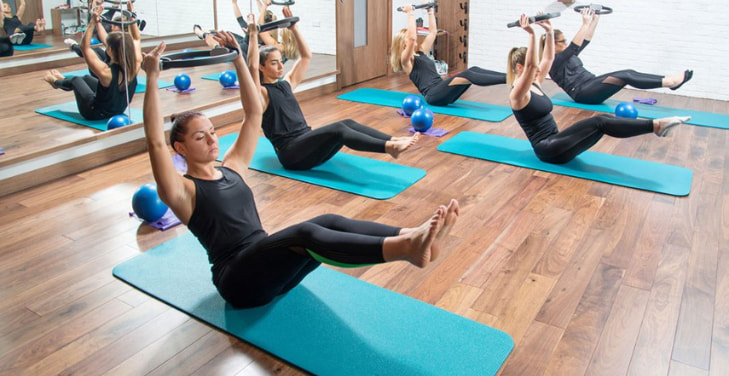
Pilates focuses on core strength while yoga emphasizes flexibility, breathing, and mindfulness practices.
What Is the Difference Between Pilates and Yoga?
Both Pilates and yoga promote physical and mental health through controlled movement. Each method creates a unique movement experience, strongly affecting muscles, the nervous system, and spatial body awareness.
Core Movement Focus
Pilates strongly focuses on the core muscles, especially the deep abdominal muscles, the lower back, and the pelvic floor. The movements are performed in a precise, continuous rhythm, activating the muscle groups that stabilize the spine. The body maintains active muscle tension throughout the session, thereby improving posture and daily movement control.
Breathing and Mental Awareness
Yoga combines deep breathing with mental focus to enhance relaxation and emotional balance. Many stretching poses stimulate blood circulation, increase joint flexibility, and create a feeling of lightness throughout the body. Stable breathing also helps reduce nervous tension and improve sleep quality.
Training Style and Intensity
Pilates typically creates a feeling of quick, toned, and technically demanding movement. Yoga offers a flow of soft, slow movements that foster inner connection. Both forms contribute to improved endurance, balance, and musculoskeletal health.
How Pilates and Yoga Affect the Body
Pilates and yoga create a range of positive changes in the muscular, joint, and nervous systems through purposeful movement. The body responds strongly to the rhythm of regular movement, thereby improving coordination, endurance, and daily energy levels.
Muscle Activation and Stability
Pilates deeply activates core muscle groups, especially around the abdomen, hips, and spine. The continuous sequence of movements helps the body maintain better stability during daily activities. Smaller muscle groups around the joints also work more effectively, creating a noticeable feeling of flexibility and strength.
Flexibility and Joint Mobility
Yoga promotes muscle flexibility and increases joint range of motion through extended stretching postures. Many hip-opening movements, shoulder stretches, and spinal stretches help the body move more smoothly. Improved blood circulation also supports the nourishment of muscle tissue and reduces stiffness.
Nervous System and Body Awareness
Controlled breathing in yoga and Pilates supports the nervous system in maintaining focus and balance. The brain increases its ability to connect with body movements, thereby improving reflexes, posture, and balance in daily life.
Pilates vs. Yoga for Weight Loss
Both Pilates and yoga support weight management through full-body exercise, hormone regulation, and improved lifestyle habits. The body burns energy more efficiently with consistent exercise combined with a balanced diet.
Calorie Burn and Physical Activity
Pilates involves a series of continuous movements at a steady intensity, promoting energy expenditure and activating multiple muscle groups simultaneously. Bodyweight exercises increase heart rate, improve endurance, and support overall fat loss.
Muscle Tone and Metabolism
Toned muscle mass plays a crucial role in maintaining a healthy metabolic rate. Pilates supports the development of a defined core, while yoga increases body control and muscle strength through various sustained poses. The body becomes leaner, more flexible, and more balanced over time.
Stress Control and Eating Habits
Yoga promotes mental relaxation and emotional stability through deep breathing and introspection. A stable mood helps better control appetite, thereby supporting long-term healthy weight maintenance.
Mental Health Benefits of Pilates and Yoga
Pilates and yoga positively impact mental health through rhythmic movement, controlled breathing, and sustained focus. The brain responds strongly to a state of stable movement, thereby improving emotions, energy levels, and the ability to adapt to daily pressures.
Stress Relief and Emotional Balance
Yoga helps the body relax deeply through breathing exercises and slow stretching postures. Heart rate becomes more stable, the mind remains calm, and emotions are more balanced in many stressful situations. Pilates also promotes the release of positive energy through clear and regular rhythmic movements.
Focus and Mental Clarity
Pilates exercises require high concentration to control posture, breathing, and direction of movement. The brain enhances attention span, information processing, and motor reflexes. This state of sustained focus also helps reduce mental fatigue after a long day at work.
Sleep Quality and Nervous System Support
Yoga supports the nervous system in maintaining a stable, relaxed state, thereby improving sleep quality and a feeling of rejuvenation upon waking. The body maintains a more regular circadian rhythm with consistent practice.
Pilates vs. Yoga for Strength and Posture
Muscle strength and posture directly affect mobility, endurance, and spinal health. Both Pilates and yoga promote body control through precise movements, thereby improving stability and natural posture.
Core Strength Development
Pilates continuously activates the core muscles, including the deep abdominal muscles, back muscles, and hip area. The movements require controlled breathing and stable muscle tension, helping the body increase strength from within. The core becomes firmer, movement becomes more flexible, and balance is significantly improved.
Spine Alignment and Postural Control
Yoga supports spinal stretching and opens the shoulders, chest, and hips through various prolonged poses. The body gradually develops the habit of standing upright, shoulders open, and the neck maintaining its natural alignment. Stable posture also reduces pressure on the lower back and increases comfort when sitting or moving for extended periods.
Functional Body Stability
Both Pilates and yoga improve coordination between muscles, joints, and the nervous system. The body reacts more quickly and efficiently to everyday activities such as lifting objects, walking, or maintaining balance on unstable surfaces.
Which Is Better for Flexibility and Mobility?
Flexibility and mobility determine the quality of body movement in daily life. Pilates and yoga both promote muscle flexibility, support smooth joint movement, and enhance a sense of lightness when moving.
Stretching Techniques in Yoga
Yoga uses many deep stretching poses to increase the suppleness of muscles and connective tissues. Hip openings, spinal stretches, and shoulder openings significantly expand the body's range of motion. Increased blood circulation during exercise also nourishes muscles and increases overall relaxation.
Controlled Mobility in Pilates
Pilates focuses on controlled movement to improve flexibility and stability. The exercises continuously activate core muscles while improving coordination between muscles and joints. The body maintains firm flexibility, especially in the hips, shoulders, and lower back.
Joint Health and Everyday Movement
Joints move more efficiently when the body regularly performs rhythmic and balanced movements. Pilates and yoga both support posture, increasing the ability to rotate, bend, and walk more flexibly in daily activities.
Pilates vs. Yoga for Beginners
Beginners often seek forms of exercise that are accessible, safe, and offer lasting enjoyment. Both Pilates and yoga provide a gentle workout experience for the body while improving movement control from the outset.
Learning Curve and Body Awareness
Pilates focuses on posture, breathing, and core muscle stability in each movement. The body quickly develops more precise movement control. Yoga helps beginners increase body awareness through stretching postures and steady breathing, thereby fostering relaxation and mental balance.
Equipment and Practice Environment
Yoga usually only requires a mat and a quiet space to begin. Pilates can incorporate exercise balls, resistance bands, or machines to increase effectiveness. A tidy and comfortable practice environment helps beginners maintain motivation for more consistent weekly practice.
Potential Risks and Limitations
Pilates and yoga offer many health benefits; however, the body still needs to adapt properly to the intensity and technique of the exercises. Understanding your movement limits helps reduce pressure on muscles, joints, and the spine during practice.
Common Form Mistakes
Incorrect posture can easily put pressure on the neck, shoulders, and lower back during many balancing or deep-stretching movements. Practitioners often engage muscles incorrectly or regulate their breathing inconsistently, thereby reducing the effectiveness of the exercise. Correct technique helps the body distribute force evenly and maintain safer movement.
Joint and Muscle Strain
Some movements require high flexibility in the hips, knees, and spine. The body is prone to muscle strain or joint pain when increasing intensity too quickly. Thorough warm-up and maintaining a suitable training pace help muscles adapt more effectively to the pressure of exercise.
Individual Physical Conditions
Individuals with spinal problems, high blood pressure, or pre-existing injuries need to choose exercises that are appropriate for their current physical condition. Personalized exercise programs help improve effectiveness and maintain long-term stability of mobility.
How to Choose Between Pilates and Yoga
Choosing between Pilates and Yoga depends on your health goals, mobility, and how you feel during the practice. Each method offers a unique experience, from improving muscle strength to enhancing mental relaxation and overall flexibility.
Fitness Goals and Body Needs
Pilates is suitable for those who want to increase core strength, improve posture, and enhance movement control. The exercises focus strongly on body stability and precision in each movement. Yoga supports increased flexibility, promotes nervous system relaxation, and creates a noticeable sense of emotional balance after each session.
Lifestyle and Exercise Preference
Those who enjoy rhythmic, technically demanding movements often find Pilates appealing. Yoga suits a lifestyle that requires relaxation, focused breathing, and mental connection. Your practice environment, daily schedule, and energy levels also significantly influence the choice.
Combining Both Practices
Many people combine Pilates and yoga in a single workout routine to develop strength, flexibility, and overall recovery. The variety in movement helps maintain long-term motivation for exercise.
Conclusion
Both Pilates and yoga offer significant benefits to both physical and mental health. The body becomes more flexible, muscle strength improves noticeably, and balance develops positively with consistent practice.
Pilates promotes core stability and precise movement control. Yoga fosters relaxation, flexibility, and a deeper sense of body connection.
The right choice depends on your fitness goals, energy levels, and daily lifestyle. A consistent exercise routine will build a solid foundation for long-term health and a more positive quality of life.
Frequently Asked Questions (FAQs)
- Is Pilates harder than yoga? – Pilates emphasizes continuous core control and movement precision, while yoga focuses on breathing, flexibility, and posture holding. Difficulty depends on personal fitness and training goals.
- Can Pilates and yoga improve posture? – Pilates and yoga strengthen the back, shoulders, and abdominal muscles while improving body awareness, helping support better posture and spinal alignment.
- Which burns more calories, Pilates or yoga? – Pilates often creates continuous movement and steady intensity that increase energy expenditure, while dynamic yoga styles can also support effective calorie burning.
- Is yoga good for stress relief? – Yoga promotes relaxation through deep breathing, gentle movement, and focused attention, helping support emotional balance, improved sleep, and a calmer nervous system.
- How often should beginners practice Pilates or yoga? – Beginners often practice Pilates or yoga two to four times weekly to build endurance, improve flexibility, and help the body adapt safely to movement patterns.
