
Inositol has long been a silent participant in cellular biological reactions, but modern research now views this compound as a crucial link to neurological and metabolic health. A naturally occurring compound in fruits and grains, it is now attracting significant attention in the fields of hormones and mental well-being.
Many experts consider inositol a bridge between the brain, insulin, and endocrine signaling. This compound has a broad impact on cellular energy, emotions, and daily metabolic performance.
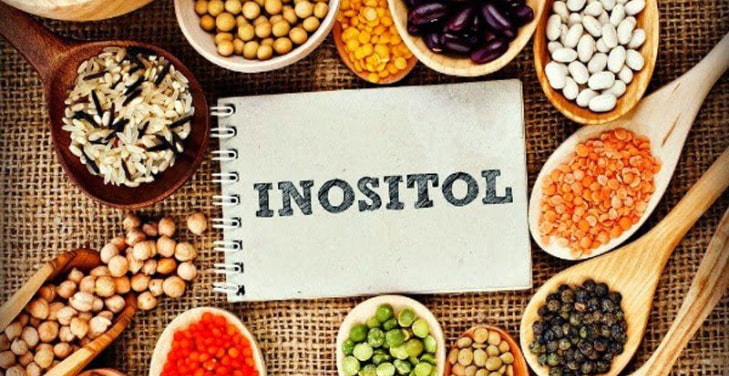
Inositol contributes to mental wellness and hormonal support with balanced daily intake.
What Is Inositol?
Inositol plays a crucial role in many biological processes, including neurology, metabolism, and cellular signaling. This compound is naturally produced in the body and is found in many nutrient-rich foods, such as citrus fruits, beans, and whole grains. Experts often mention inositol in mental health and hormone support programs due to its involvement in intracellular signaling systems.
Cellular Communication
Inositol supports intercellular communication through specialized signaling molecules. This compound promotes stable coordination between the brain, endocrine glands, and nervous system. Many important biochemical reactions occur more efficiently when the body maintains appropriate levels of inositol.
Natural Forms of Inositol
Myo-inositol and D-chiro-inositol are commonly found in modern supplements. These two components are involved in insulin regulation, energy metabolism, and hormone activity. Nutritionists often focus on the optimal ratio between them to maximize absorption.
Food Sources
Oranges, grapefruits, lentils, brown rice, and nuts provide significant amounts of naturally occurring inositol. A varied diet helps the body maintain a stable supply of nutrients, thereby supporting daily nervous system function and metabolic health.
How Inositol Works in the Body
Inositol is deeply involved in the biological signaling network that controls emotions, metabolism, and endocrine activity. This compound supports a range of cellular reactions that occur smoothly every day, from neurotransmission to energy regulation. Nutrition researchers are particularly interested in the role of inositol in balancing hormones and maintaining healthy cellular function.
Neurotransmitter Activity
Inositol promotes the activity of serotonin and dopamine through the neurotransmitter signaling system. The brain maintains focus, emotional stability, and more flexible mental responses when inositol levels are at an appropriate level. Communication between nerve cells occurs continuously, forming the foundation for daily cognitive activity.
Insulin Signaling
Inositol helps cells receive insulin signals more effectively. This mechanism facilitates glucose entry into cells, thereby promoting stable energy production. Metabolism experts often highlight inositol in strategies to support blood sugar and hormone balance.
Cellular Balance
Cell membranes utilize inositol as a crucial component in intracellular signaling. This compound helps maintain the stability of enzymes, hormones, and many biochemical reactions related to overall health.
Pros of Inositol
Inositol has attracted significant attention in nutrition and metabolic health due to its ability to affect multiple biological systems simultaneously. This compound participates in cell signaling and hormone regulation and supports stable nerve function. Many experts highly value inositol in holistic health strategies, especially for those pursuing a long-term, balanced lifestyle.
Supports Emotional Wellness
Inositol enhances the activity of neurotransmitters involved in emotions and concentration. The brain maintains a more alert, flexible, and stable state when the nervous signaling system operates efficiently. Many people notice improvements in sleep quality, stress management, and mental energy levels after consistent use.
Promotes Hormonal Balance
This compound supports the regulation of insulin and hormone signaling in the body. Cells respond to insulin more efficiently, thereby contributing to stable energy metabolism. Experts often include inositol in programs that support endocrine health and balance female hormones.
Enhances Cellular Function
Every cell in the body needs a precisely functioning signaling system to maintain biological performance. Inositol is directly involved in this process. This compound supports cell membranes, promotes enzyme activity, and maintains smooth coordination between vital organs.
Cons of Inositol
Inositol offers many benefits for metabolic and neurological health; however, the body reacts in very different ways depending on the dosage, duration of use, and individual biological state. Some people feel a noticeable change after only a few weeks, while others experience unpleasant reactions related to digestion, nerves, or energy levels. Uncontrolled use often leads to an imbalance in the supplement's effectiveness over time.
Digestive Discomfort
High doses of inositol can put pressure on the digestive system, especially during the initial adjustment period. Many people experience bloating, diarrhea, mild cramps, or stomach discomfort after continuous use. The digestive system reacts more strongly when users combine inositol with a high-fiber diet or multiple supplements.
Energy and Neurological Effects
Some users have reported mild dizziness, headaches, or changes in alertness throughout the day. The brain and nervous system are quite sensitive to compounds involved in cell signaling, such as inositol. Circadian rhythms, sleep patterns, and concentration levels may fluctuate noticeably with rapid increases in dosage.
Supplement Quality Concerns
The current supplement market features many inositol products with varying purity and formulations. Some products contain additives or sweeteners, or have unbalanced ratios of active ingredients, which directly impact absorption efficiency and the daily user experience.
Inositol and Mental Wellness
The brain processes billions of nerve signals continuously every second. Inositol directly participates in that signaling network, from emotions and concentration to mental relaxation. Neuronutrition researchers are increasingly interested in this compound due to its role in supporting mood stability and cognitive performance in today's stressful world.
Neurotransmitter Support
Inositol promotes the activity of serotonin and dopamine through neurotransmitter signaling mechanisms. These neurotransmitters strongly influence positive feelings, alertness, and the ability to maintain mental motivation. When signaling is stable, the brain processes stress more effectively and maintains a more balanced emotional state throughout the day.
Stress Response Regulation
Prolonged stress puts significant pressure on the central nervous system and stress hormones. Inositol helps the body regulate nerve responses more smoothly, thereby improving sleep quality, energy levels, and mental resilience. Many experts highly value this compound's role in holistic mental health programs.
Inositol for Metabolic and Hormonal Health
Inositol plays a crucial role in the body's metabolic and hormonal regulatory network. This compound participates in insulin signaling, cellular energy control, and supports more stable endocrine function. Clinical nutritionists often focus on inositol when developing long-term strategies for metabolic health, especially for those concerned about weight, blood sugar, and reproductive hormones.
Insulin Sensitivity Support
Inositol enhances insulin signaling, thereby supporting more efficient glucose transport into muscle and liver tissue. Cellular energy levels remain more stable throughout the day. Carbohydrate metabolism also flows more smoothly, contributing to increased alertness and balanced energy levels.
Hormonal Regulation
Hormones operate based on a complex intracellular signaling system, and inositol is directly involved in this mechanism. This active ingredient supports the coordination between insulin, reproductive hormones, and endocrine responses related to the metabolic cycle. Many experts are interested in myo-inositol in programs for female hormonal health and overall endocrine balance.
Cellular Energy Balance
Each cell needs a stable signal source to produce and use energy efficiently. Inositol supports enzyme activity, maintains cell membrane function, and promotes coordination between organs involved in metabolism.
Best Food Sources of Inositol
Inositol occurs naturally in many common foods, especially fruits, beans, grains, and nutrient-rich nuts. A varied diet helps the body maintain a stable supply of inositol to support nerve function, metabolism, and the balance of cellular signaling. Nutritionists often encourage prioritizing natural foods to improve nutrient absorption and maintain long-term health.
Citrus Fruits and Melons
Oranges, grapefruits, lemons, and cantaloupes contain significant amounts of inositol along with many important antioxidants. These fruits support cellular hydration, promote energy metabolism, and maintain stable nerve function. Their natural vitamin and mineral content also contributes to overall nutritional benefits.
Beans and Whole Grains
Lentils, kidney beans, oats, and brown rice provide abundant sources of inositol along with soluble fiber and complex carbohydrates. These foods promote a more consistent release of energy throughout the day, while also supporting digestion and balancing blood sugar.
Nuts and Seeds
Almonds, walnuts, and sesame seeds provide natural inositol and healthy fats. These nutrients support cell membranes, enhance nerve function, and contribute to overall metabolic health.
How to Take Inositol Safely
Inositol provides more consistent results when users establish a scientific usage habit and maintain a dosage appropriate to their body's needs. Product quality, timing of use, and accompanying nutrition all directly affect absorption and daily biological responses. Nutritionists often prioritize a step-by-step approach to help the body adapt more naturally to this active ingredient.
Choose the Right Form
Myo-inositol is available in powder and capsule form in the supplement market. The powder form allows for flexible dosage adjustment and dissolves quickly in water or smoothies. Capsules offer convenience for those with busy schedules who need more precise control over their daily intake.
Start with a balanced intake
The body adapts more effectively when users maintain a moderate dosage in the initial phase. Regular use helps the nervous system and metabolism respond more stably over time. Many experts recommend incorporating inositol into meals to support absorption and maintain energy balance.
Support Overall Nutrition
Inositol works more effectively in a nutritionally balanced environment. A diet rich in protein, fiber, B vitamins, and minerals enhances cellular metabolism, thereby supporting overall neurological and hormonal health.
Who May Benefit Most From Inositol?
Inositol is suitable for many groups of people interested in mental health, metabolism, and hormones. This compound participates in cell signaling, thus having a broad impact on the brain, nervous system, and energy regulation mechanisms. Nutritionists often include inositol in long-term health care plans for people with high-stress lifestyles or those needing intensive metabolic support.
People With High-Stress Lifestyles
Individuals who frequently work high-intensity jobs, lack sleep, or experience prolonged mental stress are often interested in inositol to support nervous system stability. This compound promotes signaling related to emotions and concentration, thereby helping to maintain a more balanced mental state in daily life.
Individuals Focused on Metabolic Health
Those pursuing weight, energy, and blood sugar control often focus on the role of inositol in insulin regulation. This mechanism supports carbohydrate metabolism and maintains a more stable energy performance.
Women Supporting Hormonal Balance
Nutrition and endocrinology professionals often focus on myo-inositol in women's hormone care programs. This active ingredient supports endocrine signaling and helps maintain harmonious coordination among hormones related to reproductive health.
Conclusion
Inositol offers many notable benefits for neurological health, metabolism, and hormone balance. This compound participates in a range of important biological mechanisms related to cellular energy, emotions, and endocrine signaling.
Choosing high-quality food sources and adopting appropriate habits helps the body effectively utilize inositol's potential in daily life. Many nutrition experts highly value this compound in modern healthcare strategies due to its ability to comprehensively support both physical and mental well-being.
Frequently Asked Questions (FAQs)
- Is inositol good for mental wellness? – Inositol supports serotonin and dopamine signaling, helping many people maintain emotional balance, focus, and healthy sleep patterns.
- Which foods contain natural inositol? – Oranges, grapefruits, lentils, oats, brown rice, and nuts naturally contain inositol along with fiber, vitamins, and minerals that support metabolism.
- Can inositol support hormonal balance? – Inositol participates in endocrine signaling related to insulin and reproductive hormones, supporting glucose metabolism and hormonal wellness.
- What is the best way to take inositol? – Many people use powdered inositol mixed into water or smoothies because it offers flexible dosing and supports consistent daily intake.
- Does inositol cause side effects? – Some individuals may experience bloating, mild headaches, or temporary energy changes, especially when increasing dosage rapidly or combining supplements.
