
Tinnitus resonates like an invisible sound, infiltrating moments of stillness and stirring up concentration. This sensation creates a subtle pressure, keeping the mind constantly on alert.
Acupuncture opens a profound approach, touching the nervous system and awakening the body's self-regulating abilities. As the biological signals balance, stillness gradually returns, bringing relief and a clear sense of control.
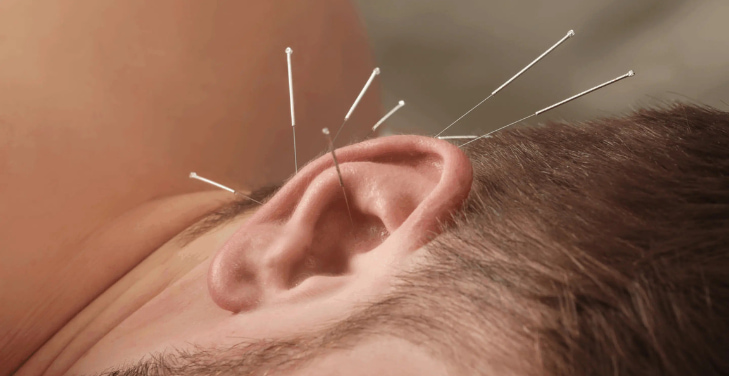
Acupuncture may ease tinnitus by influencing nerves, circulation, and auditory processing pathways.
Understanding Tinnitus
Tinnitus appears as an endogenous auditory signal, formed directly within the auditory nervous system. The experiencer perceives the sound as continuous, sometimes rapid, sometimes prolonged, like a steady background stream.
What Does Tinnitus Sound Like?
The sound manifests in various ways: buzzing, humming, high-pitched whistling, or low-pitched pulsations. Intensity fluctuates throughout the day, often more pronounced in quiet environments.
What Causes Tinnitus?
Damage to the hair cells in the inner ear triggers erroneous signals transmitted to the brain. Exposure to loud noise, aging, or circulatory disorders can increase abnormal neural activity.
How the Brain Interprets the Sound
The brain actively "fills the sound gap" by amplifying the endogenous signal. This process creates the sensation of continuous sound even in the absence of external stimuli.
What Is Acupuncture?
Acupuncture is a sophisticated therapeutic system that connects the physical body with its bio-signal network. This method activates intrinsic responses, promoting self-regulation and restoring balance.
Origins in Traditional Medicine
This therapy originates from traditional Eastern medicine, developed based on the meridian system and energy flow. Each acupuncture point represents a biological intersection where bodily signals converge and are responded to.
How Needles Interact with the Body
Acupuncture needles directly stimulate nerve endings, triggering immediate physiological reflexes. These signals propagate through the central nervous system, thereby regulating pain perception and improving circulation.
Modern Medical Perspective
Modern research has documented changes in brain activity and increased endorphin levels after acupuncture. This mechanism supports pain reduction, improves relaxation, and stabilizes bodily functions.
Why Acupuncture Is Considered for Tinnitus Relief
Acupuncture has garnered attention in tinnitus management due to its multi-layered impact on the nervous and circulatory systems. This therapy activates endogenous biological responses, thereby calming the prolonged sensation of sound in the brain.
Targeting Neural Hyperactivity
Acupuncture regulates the overactivity of nerve signals related to hearing. Acupuncture points near the ear and neck stimulate nerve pathways, helping to reduce the intensity of endogenous sound signals.
Improving Blood Flow to the Inner Ear
Stimulating acupuncture points promotes microcirculation, increasing the supply of oxygen and nutrients to the inner ear. Stable blood flow supports hair cell function and maintains a balanced inner ear environment.
Holistic Regulation of Body Systems
The body reacts as a unified system, where acupuncture synchronizes the nervous, endocrine, and circulatory systems. This regulation creates a favorable physiological foundation, helping to reduce tinnitus sensations over time.
How Acupuncture May Affect the Auditory System
Acupuncture directly impacts the auditory system through a sophisticated network of nerves and microcirculation. Stimulation from the acupuncture needles initiates a chain of biological responses from the periphery to the central nervous system, resulting in a synchronized adjustment in sound processing.
Neural Pathway Modulation
Acupuncture needles stimulate nerve endings around the ear and neck, thereby transmitting signals to the brain. This reduces the intensity of stimulation in the sound processing centers, helping the auditory system function more stably.
Cochlear Microcirculation Enhancement
Microcirculation in the cochlea is enhanced when acupuncture points are precisely stimulated. Abundant blood flow nourishes hair cells, supporting efficient sound signal conversion.
Sensory Signal Rebalancing
The nervous system reorganizes how it receives and processes endogenous sound signals. This new balance helps reduce the perception of continuous sound while enhancing the brain's adaptability.
Blood Circulation and Inner Ear Health
Blood circulation plays a central role in maintaining the function of the inner ear, where all sound signals are converted into nerve impulses. When blood flow is strong and stable, the auditory system operates with high accuracy and optimal sensitivity.
Microvascular Support in the Cochlea
The microvascular network in the cochlea directly supplies oxygen and nutrients to the hair cells. Continuous blood flow helps maintain a stable endolymphatic environment, thereby supporting smooth sound conversion.
Oxygen Delivery and Cellular Energy
Oxygen diffuses into the auditory tissues, activating cellular energy production. This energy source promotes bioelectrical activity, allowing sound signals to be processed quickly and accurately.
Circulatory Balance and Auditory Stability
Circulatory balance creates a stable physiological foundation for the entire auditory system. When blood flow is maintained at a steady pace, the brain receives auditory signals clearly and consistently.
Stress Reduction and Nervous System Balance
Nervous tension amplifies sensory signals and increases the auditory system's sensitivity. When the nervous system maintains a stable state, the brain processes sound more accurately, thereby significantly reducing tinnitus.
Autonomic Nervous System Regulation
Acupuncture activates the parasympathetic nervous system, promoting deep relaxation. Heart rate, breathing rate, and muscle tone are regulated, maintaining a physiological balance throughout the body.
Cortisol and Stress Hormone Modulation
Stress hormone levels gradually decrease as the body enters a stable state. This change reduces pressure on the central nervous system and improves the ability to adapt to auditory stimuli.
Mind-Body Synchronization
The body and brain coordinate harmoniously through neurological and endocrine signals. This synchronization creates a state of overall balance, supporting sound perception control and enhancing quality of life.
Scientific Evidence and Clinical Studies
Scientific evidence regarding acupuncture in tinnitus control is developing in a multifaceted way, combining clinical data with modern neuroanalysis. Studies focus on specific physiological changes, from brain activity to auditory response.
Findings from Clinical Trials
Many trials have noted improvements in tinnitus intensity and frequency after acupuncture treatment. Participants reported reduced discomfort, with significant improvements in sleep quality and concentration.
Neuroimaging and Brain Activity Changes
Neuroimaging shows modulation of activity in brain regions involved in sound processing. Neural signals become more stable, reflecting the auditory system's adaptive capacity.
Variability in Individual Response
Each person's body reacts differently, creating differences in treatment effectiveness. Factors such as tinnitus level, physical condition, and treatment frequency directly affect the results.
What to Expect During Treatment for Tinnitus
An acupuncture treatment for tinnitus follows a clear sequence, combining individual assessment with precise stimulation of acupuncture points. The experience typically provides deep relaxation while activating subtle physiological responses.
Initial Assessment and Point Selection
The expert identifies acupuncture points based on symptoms, physical condition, and nerve sensitivity. Points around the ear, neck, and hand are selected to optimize the impact on the auditory system.
Sensation During Needle Insertion
Needle insertion creates a gentle tension, warmth, or vibration sensation at the acupuncture point. The body responds immediately through nerve signals, thereby activating endogenous regulation processes.
Treatment Frequency and Progression
The treatment is carried out in regular cycles, often lasting several weeks to consolidate effectiveness. With each session, the nervous system gradually adapts, making sound perception more stable and easier to control.
Potential Benefits and Realistic Expectations
Acupuncture offers clear value in improving the tinnitus experience through holistic physiological regulation. The effects are gradual over time, reflecting the nervous system's adaptation and the body's self-regulatory capabilities.
Symptom Relief and Sensory Calmness
Endogenous sound intensity decreases, and tinnitus becomes milder and less distracting. A widespread state of relaxation allows the brain to receive sound signals more stably.
Functional Improvements in Daily Life
Sleep quality improves, and concentration significantly improves. Users maintain work and daily activities with greater comfort.
Timeline of Noticeable Changes
The effects accumulate with each treatment session, usually becoming apparent after a few weeks. The body gradually adapts, leading to a sustained improvement in sound perception.
Risks, Safety, and Who Should Avoid It
Acupuncture is effective when sterile techniques are followed, and accurate clinical assessment is performed. Each intervention produces a specific biological response, so understanding safety factors optimizes results and maintains the body's stability.
Common Mild Reactions
Some reactions appear immediately after acupuncture, such as mild numbness, warmth spreading, or redness at the acupuncture point. These manifestations reflect local circulatory and neurological activation.
Risk Factors and Sensitive Groups
Individuals with blood-clotting disorders, pregnant women, or neurosensitive individuals should be carefully assessed before treatment. Underlying health conditions directly affect how the body responds to needle stimulation.
Importance of Qualified Practitioners
Experienced practitioners accurately identify acupuncture points and needle depth. Precise techniques ensure biosafety while enhancing the effectiveness of the regulation of the nervous and circulatory systems.
Complementary Approaches Alongside Acupuncture
Complementary approaches accompanying acupuncture create a holistic strategy that simultaneously impacts the nervous system, hearing, and psychological state. This combination amplifies the treatment's effectiveness, helping the body achieve a deeper and more stable state of balance.
Sound Therapy and Auditory Training
Gentle background sounds stimulate the brain to restructure how it processes auditory signals. This process reduces the attention paid to endogenous sounds, thereby calming tinnitus.
Nutritional Support and Micronutrients
A diet rich in micronutrients such as magnesium and B vitamins supports neurological function. A stable supply of nutrients promotes cellular activity and enhances the auditory system's adaptability.
Stress Management Techniques
Meditation, deep breathing, and relaxation techniques help regulate the autonomic nervous system. A state of calm spreads throughout the body, creating a favorable foundation for controlling the perception of sound.
Conclusion
Acupuncture offers a holistic approach to regulating tinnitus by simultaneously impacting the nervous, circulatory, and psychological states. The body responds positively when biological mechanisms are properly activated.
The effects accumulate over time, reflecting the auditory system's adaptive and self-regulatory capabilities. When combined with appropriate supportive methods, the auditory experience becomes stable and easily manageable, contributing significantly to improved quality of life.
Frequently Asked Questions (FAQs)
- Does acupuncture permanently cure tinnitus? – Acupuncture supports nervous system regulation and reduces tinnitus intensity over time, helping stabilize symptoms and improve daily auditory comfort.
- How many sessions are needed to see results? – Regular sessions over several weeks allow gradual adaptation, with many individuals noticing improvements after the first few treatments.
- Is acupuncture safe for tinnitus treatment? – Acupuncture is safe when performed by trained professionals using sterile techniques, supporting nervous and circulatory balance with minimal discomfort.
- Can acupuncture reduce tinnitus intensity immediately? – Some individuals experience early relief due to rapid nervous system response, with continued sessions enhancing stability and reducing discomfort.
- Should acupuncture be combined with other treatments? – Combining acupuncture with sound therapy, nutrition, and relaxation techniques supports comprehensive management and improves long-term outcomes.
