
A bottle of deep green water on a health supplement shelf evokes a sense of instant detoxification. At the same time, a familiar plate of green vegetables also provides a rich source of chlorophyll. These two seemingly contrasting images converge on a common goal: nourishing the body from within.
Chlorophyll has entered the modern health trend with a clear role, connecting botanical science with personal care needs, creating a strong wave of interest.
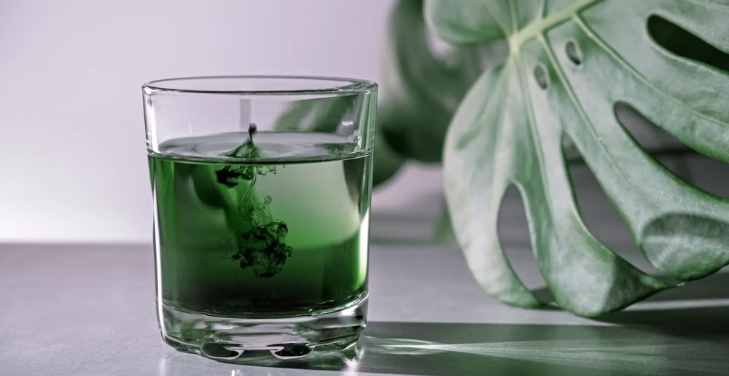
Chlorophyll supports detox and skin health but may cause mild digestive discomfort.
What Is Chlorophyll?
Hidden behind the vibrant green of leaves is a precisely functioning and powerful biological system. Chlorophyll plays a central role in that system, linking light to life directly and efficiently.
Core Biological Structure
Chlorophyll has a porphyrin ring structure with a magnesium ion at its center, enabling it to absorb light energy. This molecule is located within chloroplasts and maintains continuous photochemical activity in plant cells. Structural stability optimizes energy conversion efficiency.
Energy Conversion Function
Chlorophyll captures photons from sunlight and converts them into chemical energy in the form of ATP and NADPH. This energy fuels glucose synthesis, nourishes the entire plant, and sustains the vast biological chain.
Presence in Diet and Supplements
Humans absorb chlorophyll through green vegetables or supplements such as liquids, capsules, and powders. Chlorophyllin is commonly found in functional products, enhancing solubility and convenience for daily use.
Types of Chlorophyll in Supplements
The nutritional supplement market is expanding rapidly, leading to a range of chlorophyll products with distinct properties. Each type has a different structure, absorption capacity, and intended use, creating a remarkable diversity in daily choices.
Chlorophyll vs. Chlorophyllin
Natural chlorophyll in plants has a magnesium-binding structure, while chlorophyllin is formed by a transformation that replaces magnesium with copper. Chlorophyllin is highly soluble in water, easy to prepare, and convenient to use. This change enhances its stability in the digestive environment.
Liquid, Capsule, and Powder Forms
Chlorophyll is available in liquid, capsule, or powder form. Liquid forms are quickly absorbed and easy to adjust the dosage. Capsules offer convenience for travel. Powder is suitable for those who prefer to mix it with water or smoothies.
Bioavailability and Absorption Factors
Absorption depends on the molecular form and the digestive environment. Chlorophyllin is highly soluble, allowing for faster absorption by the body. Using it with water and maintaining a consistent dose contributes to optimal biological efficacy.
Nutritional Profile and Active Compounds
Within the deep green lies a synergistic system of nutrients that creates remarkable biological value. Chlorophyll carries many functional compounds, contributing to its role in nutrition and healthcare.
Rich in Antioxidant Molecules
Chlorophyll has powerful antioxidant properties, neutralizing free radicals. This activity helps protect cells from oxidative stress and maintain tissue stability. The active molecules work together to create a continuous protective effect.
Magnesium-Centered Structure
Magnesium ions are located at the center of the chlorophyll molecule and play a crucial role in many biochemical reactions. This component supports muscle function and nerve transmission and maintains a stable circadian rhythm.
Phytonutrients and Detox-Supporting Compounds
Chlorophyll, along with plant-derived phytonutrients, supports the body's natural detoxification process. These compounds bind to and eliminate certain unwanted substances while promoting a balanced internal environment.
How Chlorophyll Works in the Body
After entering the body, this green pigment activates numerous biological mechanisms closely linked to the digestive system, blood, and cells. Chlorophyll directly participates in chemical reactions, creating a widespread and noticeable chain of effects.
Interaction with Toxins
Chlorophyll binds to certain foreign compounds in the digestive tract, forming stable complexes and supporting elimination. This mechanism helps cleanse the internal environment and reduce the burden on the liver.
Support for Blood and Oxygen Dynamics
The molecular structure of chlorophyll promotes an oxygen-rich environment in the body. This activity helps cells maintain energy while also improving alertness and endurance.
Influence on Gut Environment
Chlorophyll impacts the gut microbiome by promoting the growth of beneficial bacteria. The gut environment becomes more balanced, thereby supporting efficient digestion and increasing nutrient absorption.
Pros of Chlorophyll
Many modern health trends incorporate chlorophyll into daily routines due to its clear biological effects. This compound participates in many bodily processes, creating multifaceted and noticeable benefits over time.
Supports Natural Detox Processes
Chlorophyll binds to certain foreign substances in the digestive tract, promoting their elimination. The liver and excretory system function more efficiently when the internal environment maintains balance.
Enhances Skin Health and Appearance
Chlorophyll helps soothe skin inflammation and promote cell regeneration. The skin becomes brighter, more even-toned, and noticeably younger-looking.
Promotes Internal Deodorizing Effects
Chlorophyll helps control body odor from within by acting on odor-causing compounds. Breath and body odor become more pleasant with regular use.
Provides Antioxidant Protection
Chlorophyll neutralizes free radicals and reduces oxidative stress on cells. This activity helps maintain stable cellular function and contributes to overall health.
Cons of Chlorophyll
Chlorophyll supplementation offers numerous biological benefits, but also comes with some notable reactions as the body adapts. These factors become more apparent with rapid increases in dosage or in individuals with sensitive constitutions.
Digestive Discomfort and Adaptation
Chlorophyll stimulates intestinal activity, leading to bloating, mild cramping, or changes in bowel movements. The body needs time to adjust to establish a stable state in the digestive system.
Changes in Stool and Urine Color
The dark green pigment directly affects the color of stool. Stool and urine may turn green or dark green, reflecting active metabolism and elimination.
Photosensitivity Reactions
Chlorophyll increases skin sensitivity to light. The skin reacts more strongly to sunlight, easily burning or becoming irritated with prolonged exposure.
Interaction with Medications
Chlorophyll participates in intestinal absorption, thereby affecting the rate and extent of absorption of certain medications. Pharmacological effects vary depending on the time of administration and the accompanying dosage.
Potential Health Benefits Backed by Research
Modern research continues to explore the biological role of chlorophyll in many areas of health. Experimental data show that this compound produces specific effects on tissues, cells, and metabolic systems.
Wound Healing and Tissue Repair
Chlorophyll promotes tissue regeneration by activating cell proliferation and improving the wound environment. Several clinical applications utilize chlorophyll derivatives to aid wound healing and accelerate skin recovery.
Anti-Inflammatory Activity
Chlorophyll regulates inflammatory responses by acting on chemical signals in the body. This activity helps reduce tissue irritation and supports the maintenance of biological balance.
Reduction of Oxidative Stress
Chlorophyll neutralizes free radicals and protects cell structures from oxidative damage. This effect helps maintain stable cellular function and supports long-term health.
Who Should Consider Chlorophyll Supplements?
The increasing need for personalized health care has led to greater interest in plant-based supplements. Chlorophyll has emerged as a suitable option for many target groups with clear and long-term goals.
Individuals Seeking Detox Support
Those aiming to detoxify the body often choose chlorophyll to support the elimination of unwanted substances. This compound participates in the function of the liver and excretory system, thereby maintaining a balanced internal environment.
People with Skin Concerns
Individuals with skin problems, such as dullness or irritation, often supplement with chlorophyll to improve their appearance. Its antioxidant and anti-inflammatory properties contribute to improved skin quality.
Those Focused on Digestive Balance
Those concerned with a stable digestive system use chlorophyll to support gut microbiota. The digestive environment becomes more harmonious, helping to increase nutrient absorption efficiency and maintain a feeling of lightness every day.
Who Should Avoid or Use Caution?
The decision to supplement with chlorophyll requires careful consideration based on specific physiological conditions and health goals. Certain groups need close monitoring of their body's reaction to ensure effectiveness and maintain stability.
Pregnant and Breastfeeding Individuals
Women who are pregnant or breastfeeding need to prioritize the safety of all nutrients they introduce into their bodies. Chlorophyll affects the internal biological environment; its use requires clear guidance and careful monitoring.
Individuals with Sensitive Digestive Systems
Individuals with sensitive digestive systems experience stronger reactions to chlorophyll supplementation. Changes in bowel motility and discomfort become more pronounced as doses increase rapidly.
People Taking Long-Term Medications
Those taking long-term medications should be aware of potential biological interactions during absorption. Chlorophyll interacts with the digestive environment and influences the rate of absorption of active ingredients, thereby shaping treatment effectiveness over time.
How to Use Chlorophyll Safely
A clear usage strategy helps chlorophyll be effective and maintain a stable state in the body. The choice of dosage, timing, and method of use makes a significant difference in the experience.
Start with an Appropriate Dosage
Users should start with a low dose and gradually increase it as needed. This approach allows the digestive system to adapt smoothly and lays the foundation for long-term effectiveness.
Choose the Right Form
Liquid forms offer rapid absorption and flexibility in dose adjustment. Capsules are suitable for busy schedules. Powder forms can be mixed with water or smoothies, making daily use easy.
Maintain Consistent Hydration
Water plays a crucial role in the dissolution and transport of chlorophyll. The body maintains balance when adequately hydrated, thereby supporting efficient metabolism and elimination.
Conclusion
Chlorophyll offers clear biological value, connecting plant nutrition with modern healthcare needs. This compound supports many bodily functions and produces positive effects when used correctly.
Choosing the right form, establishing an appropriate dosage, and maintaining a consistent routine optimizes effectiveness. The body responds noticeably when approached proactively and consistently.
Frequently Asked Questions (FAQs)
- Does chlorophyll really help detoxify the body? – Chlorophyll binds to certain foreign compounds in the digestive tract and supports their elimination, helping maintain a cleaner internal environment and efficient detox processes.
- When is the best time of day to take chlorophyll? – Morning or early morning supports optimal absorption, boosts metabolism, and promotes a light, energized feeling in the digestive system.
- Does chlorophyll help improve skin? – Chlorophyll supports antioxidant activity and regulates inflammation, contributing to brighter, more even, and healthier-looking skin over time.
- Can chlorophyll be taken every day? – Daily use supports stable levels in the body and promotes consistent biological function, especially when taken at an appropriate dosage.
- Is liquid or capsule chlorophyll more effective? – Liquid chlorophyll allows faster absorption and flexible dosing, while capsules provide convenience, with effectiveness depending on individual preferences and goals.
