
The gentle, herbal aroma of lavender quickly shapes one's state of mind. Lavender appears in many living spaces as a natural solution to promote relaxation and well-being.
What makes lavender such a popular choice in daily routines? What benefits truly make it valuable, and what limitations need to be clearly identified?
A deep understanding of its advantages and limitations helps optimize effectiveness and maintain a safe experience.
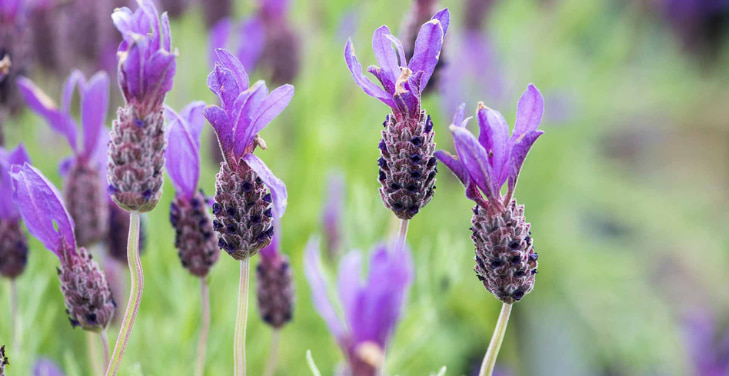
Lavender is widely used to promote relaxation and better sleep.
What Is Lavender?
The gentle fragrance that permeates a space often evokes deep relaxation and emotional stability. Among herbs with these characteristics, lavender stands out for its biological value and wide range of applications in healthcare.
Botanical Identity
Lavender belongs to the genus Lavandula and thrives in the Mediterranean region. Its purple flowers contain a high concentration of essential oils, including linalool and linalyl acetate. These active compounds create the characteristic scent and play a significant role in its physiological effects.
Active Compounds and Effects
Lavender essential oil contains many volatile compounds that can directly affect the nervous system. Linalool helps regulate emotions, while aromatic esters contribute to a relaxing effect. This combination helps the body maintain balance.
Forms and Applications
Lavender is available as essential oil, tea, sachets, and extracts. Users are applying the app in aromatherapy, skincare, and sleep support, creating a diverse and flexible ecosystem of uses.
General Overview of Lavender Use
From ancient therapeutic spaces to modern life, herbal applications have always played an important role in healthcare. Lavender has quickly become a popular choice due to its multifaceted effects on both physical and mental well-being.
Aromatherapy Applications
Aromatherapy uses lavender essential oil to stimulate the nervous system through the sense of smell. The diffused aroma helps stabilize the circadian rhythm, improve relaxation, and enhance sleep quality. Many therapy centers integrate lavender into their comprehensive care procedures.
Topical and Skincare Uses
Lavender is applied directly to the skin as a diluted essential oil or in skincare products. The active ingredients in lavender help soothe the skin, promote recovery, and improve mild irritation. Many natural cosmetic lines utilize this property to enhance effectiveness.
Culinary and Herbal Practices
Lavender is used in herbal teas and some dishes for its delicate flavor. Using the correct dosage enhances sensory experiences and promotes relaxation from within.
Nutritional and Chemical Composition
Behind its distinctive aroma lies a rich chemical structure in which active compounds work closely together to deliver significant biological value. Lavender's composition is concise yet potent, focusing on volatile molecules and antioxidants.
Essential Oil Constituents
Lavender essential oil contains high levels of linalool and linalyl acetate. These two compounds determine its characteristic scent and play a central role in its physiological effects. Additionally, cineole and camphor contribute to a broader spectrum of biological activity.
Antioxidant Profile
Lavender provides phenolic and flavonoid compounds that neutralize free radicals and support homeostasis. These substances promote cell protection and maintain the body's stability.
Variation Across Forms
The chemical composition varies depending on the form of use, such as essential oil, tea, or extract. The concentration of active ingredients in essential oils is high, while the tea form offers a gentler and more stable experience.
Top Health Benefits of Lavender
The biological effects of this herb span multiple organ systems, providing comprehensive health benefits. Lavender delivers noticeable effects through its direct impact on the nervous system, skin, and homeostasis.
Stress and Anxiety Support
The aroma of lavender stimulates the limbic system and quickly regulates emotions. Linalool helps soothe nerves, reduce stress, and provide deep relaxation. A stable mental state contributes to improved daily quality of life.
Sleep Quality Enhancement
Lavender helps regulate the circadian rhythm and promotes natural sleep. Using it before bed helps the body enter a state of rest more easily. Sleep becomes deeper and more continuous with each cycle.
Skin Healing and Care
The active ingredients in lavender help soothe the skin and promote tissue regeneration. Topical application helps reduce mild irritation and improve skin texture. Skin becomes more balanced and softer after regular use.
Pros of Using Lavender
In the modern healthcare trend, natural solutions are attracting strong interest due to their versatility and adaptability. Lavender stands out as a multi-purpose option, offering many clear benefits in daily life.
Versatile Application
Lavender is suitable for many uses, such as essential oil diffusion, tea-making, and skincare. Users can easily integrate it into their daily routines while maintaining consistent effectiveness. This versatility enables personalization of the healthcare experience.
Natural Calming Effect
The aromatic compounds in lavender directly affect the nervous system, promoting relaxation. A pleasant feeling appears quickly, supporting emotional balance and improving mood. This stable state contributes to improved daily performance.
Wide Accessibility
Lavender is widely available on the market in many product forms. Users can easily search and select according to their personal needs. This widespread availability makes access convenient and continuous.
Holistic Wellness Support
Lavender supports multiple aspects of health simultaneously, from mental to physical. Regular use helps maintain balance and enhances overall well-being.
Cons of Lavender
Significant biological effects always come with limitations that need to be accurately identified. Lavender has some disadvantages when used without proper control or when exceeding the body's appropriate threshold.
Skin Sensitivity Reactions
Lavender essential oil contains potent active compounds that can easily irritate the skin when applied directly. Some skin types react with a burning sensation or redness. This is more pronounced with high concentrations of essential oil.
Hormonal Influence
Some studies have noted that lavender affects hormonal balance. The active ingredients in the essential oil participate in hormone regulation and create certain physiological changes. Hormonally sensitive bodies react more noticeably with frequent exposure.
Overuse-Related Effects
Frequent or high-dose use of lavender can lead to headaches and reduced alertness. The body reacts by adjusting the nervous system towards deep relaxation, thereby affecting performance.
Quality Variability
The quality of lavender products varies depending on their origin and extraction process. Less pure essential oils contain impurities that reduce effectiveness and increase the risk of irritation. Choosing the right product requires careful consideration and evaluation.
Side Effects and Safety Concerns
The use of herbs in healthcare always requires a clear understanding of bodily reactions. Lavender offers many benefits, but can also produce physiological effects that need to be carefully monitored during use.
Dermatological Reactions
Lavender essential oil directly affects the skin surface and triggers local reactions. Some cases may experience tingling, redness, or mild burning. The severity of the reaction depends on the concentration and the sensitivity of each skin type.
Neurological Responses
The aroma of lavender affects the central nervous system and regulates consciousness. Continuous exposure to high concentrations can lead to drowsiness or reduced concentration. This effect is particularly evident in environments that require alertness.
Drug Interaction Potential
The active compounds in lavender are involved in metabolism and interact with several drug classes. This combination affects treatment effectiveness and alters the body's response. Simultaneous use requires careful consideration to ensure safety.
Who Should Use Lavender Carefully?
Each person's body reacts differently to bioactive compounds. Lavender provides a pronounced relaxing effect, but requires careful consideration in certain highly sensitive groups.
Pregnant and Breastfeeding Individuals
Pregnancy and breastfeeding are directly related to hormonal balance and physiological development. Compounds in lavender participate in hormone regulation and influence natural biological states. Use requires careful control of dosage and frequency.
Young Children
Young children's bodies react strongly to essential oils due to their sensitive nervous systems and skin. The scent of lavender quickly affects the central nervous system, leading to noticeable mood changes. Use requires low concentrations and an appropriate approach.
Individuals with Sensitive Skin or Allergies
People with sensitive skin or a tendency to react easily may experience irritation upon contact with essential oils. Lavender triggers a localized reaction and affects the skin's protective barrier. A patch test before use helps control risks and optimize the experience.
How to Use Lavender Safely
Maximizing the benefits of this herb depends on its correct and controlled use. Lavender is most effective when users adhere to safety principles and adjust the dosage to suit their bodies.
Proper Dilution Techniques
Lavender essential oil should be diluted with a carrier oil, such as coconut or jojoba oil, before applying to the skin. The appropriate dilution ratio reduces irritation and increases absorption. Proper application ensures consistent and safe results.
Appropriate Usage Methods
Lavender is suitable for various methods, such as air diffusion, steam inhalation, or use in herbal teas. Each method produces different physiological effects and requires a specific approach. Choosing the right method optimizes benefits.
Controlled Frequency and Dosage
The frequency of use should be adjusted according to individual needs and body reactions. Maintaining the correct dosage allows the body to adapt and achieve long-term effectiveness. This control plays a crucial role in maintaining balance.
Common Mistakes to Avoid
The effective use of herbs requires an accurate understanding and proper habits. Many people approach lavender intuitively, leading to misconceptions and directly impacting their experience and results.
Using Undiluted Essential Oil
Lavender essential oil has a high concentration of active ingredients and a strong effect on the skin. Direct application causes a quick reaction with burning and irritation. Proper dilution helps maintain effectiveness and skin stability.
Overusing for Quick Results
Increasing the frequency of use in the expectation of quick results can overload the nervous system. The body reacts with fatigue and reduced concentration. A reasonable frequency of use helps maintain lasting effectiveness.
Ignoring Product Quality
The quality of lavender directly affects its effectiveness and safety. Products containing impurities or poor extracts reduce their biological value. Choosing a reputable source helps ensure a stable and reliable experience.
Conclusion
Lavender offers holistic health benefits through its simultaneous impact on both mind and body. Its distinctive aroma and bioactive components create a strong, relaxing effect and stabilize homeostasis.
Proper use optimizes benefits and maintains long-term balance. A clear understanding of usage, dosage, and suitable target groups contributes to enhanced effectiveness and a safe experience.
Frequently Asked Questions (FAQs)
- Does lavender help improve sleep? – Lavender may support the regulation of circadian rhythms and promote relaxation. Its aroma can influence the nervous system, helping the body fall asleep more easily and maintain more consistent sleep quality over time.
- Can lavender be used daily? – Lavender is generally suitable for daily use when used in appropriate amounts. Regular use allows the body to become familiar with its active compounds, which may enhance relaxation and support long-term mental well-being.
- Is lavender essential oil safe for the skin? – Lavender essential oil is typically safe when properly diluted with a carrier oil. Its active compounds can help soothe the skin and support recovery while providing a pleasant sensation when applied correctly.
- Does lavender affect hormones? – Lavender contains bioactive compounds that may interact with the endocrine system. In sensitive individuals, these effects could influence hormone balance, although significant changes are uncommon with normal use.
- Which form of lavender should you choose for effective use? – The best form depends on the intended purpose. Essential oils are commonly used for aromatherapy and skincare, while lavender tea is often chosen to promote relaxation and create a calming effect from within.
