
Serrapeptase emerges as an enzyme carrying multiple layers of biological significance that are not yet fully understood. Behind its purported role in supporting inflammation and tissue repair lie subtle yet far-reaching effects on the circulatory and immune systems.
The proteolytic activity of serrapeptase opens up a crossroads between physiological benefits and potential risks. This complexity constitutes a health mystery, where scientific understanding becomes key to shaping safe choices.
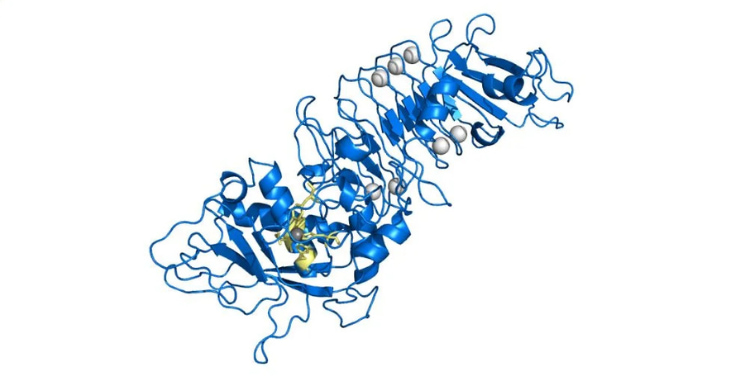
Serrapeptase may affect blood clotting, inflammation pathways, and responses to medications in certain individuals.
What Is Serrapeptase and Why Safety Matters
Serrapeptase is a biologically derived proteolytic enzyme increasingly used in supplements to support inflammation and tissue repair. Understanding the nature of this active ingredient helps users approach safety proactively and scientifically.
Biological Origin and Enzymatic Nature
The gut bacteria of silkworms produce Serrapeptase and possess the ability to break down proteins and fibrin in the body. Its potent enzymatic activity allows serrapeptase to directly affect biological structures involved in inflammation and tissue damage.
Mechanism of Action in the Human Body
Serrapeptase participates in regulating inflammatory responses by interacting with mediators. This enzyme influences microcirculation, secretions, and biochemical reactions related to soft tissue.
Why Safety Awareness Is Essential
The high bioavailability of serrapeptase necessitates a cautious approach. Proper safety awareness helps optimize physiological benefits and supports personalized use based on individual health conditions and circumstances.
Primary Serrapeptase Dangers to Be Aware Of
Serrapeptase possesses strong biological activity and produces far-reaching effects in the body. Early identification of key risk groups helps users develop safe and controlled approaches.
Impact on Blood-Related Processes
Serrapeptase participates in fibrinolytic processes and directly affects the coagulation system. This enzyme alters platelet kinetics and microcirculation, thereby increasing vascular sensitivity.
Systemic Enzymatic Activity
The widespread distribution of the enzyme allows serrapeptase to act on multiple tissues simultaneously. This multi-point intervention produces a strong physiological response, especially in organs rich in structural proteins.
Interaction With Physiological Balance
Serrapeptase influences the balance between inflammation and immunity by modulating protein levels. This regulation produces significant changes in the internal biochemical environment.
Variability in Individual Response
Individual factors such as constitution, age, and underlying medical conditions determine the level of response to serrapeptase. Individual differences result in a diverse spectrum of risks during use.
Increased Bleeding and Blood Clotting Risks
Serrapeptase exerts a significant impact on the circulatory system through its proteolytic enzyme activity. These physiological changes highlight risk factors directly related to bleeding and blood clotting regulation.
Fibrin Degradation and Vascular Sensitivity
Serrapeptase promotes the breakdown of fibrin, a key component of blood clots. This activity increases vascular permeability and destabilizes the vascular system.
Platelet Function Modulation
This enzyme influences platelet aggregation behavior through a complex biochemical mechanism. This modification alters physiological hemostasis, particularly in soft tissues and mucosa.
Systemic Circulatory Effects
Serrapeptase affects microcirculation and blood flow dynamics. These changes increase the body's sensitivity to agents that damage blood vessels, thereby shaping the risk of systemic bleeding.
Dangerous Interactions With Blood Thinners and Medications
The potent enzyme activity in the body makes the combination of serrapeptase with medications a matter requiring careful consideration. Simultaneous biochemical changes can reshape treatment response, particularly in regimens that involve circulation and inflammation.
Synergistic Effects With Anticoagulants and Antiplatelet Drugs
Fibrinolytic and platelet-regulating processes occur in parallel with the mechanisms of action of anticoagulants and antiplatelet drugs. When these pathways are activated simultaneously, the hemostatic system becomes more sensitive, altering coagulation dynamics and vascular stability.
Influence on Common Anti-Inflammatory and Pain Medications
Analgesics and anti-inflammatory drugs interact with enzymes through protein-mediated networks and metabolic enzyme systems. This interaction affects circulation, soft tissue, and systemic inflammatory responses, thereby creating significant variability in the body's physiological response.
Digestive Side Effects and Gastrointestinal Reactions
The gastrointestinal tract is the first point of contact with serrapeptase after absorption. High enzyme activity triggers distinct physiological responses in the intestinal mucosa and digestive system, leading to a group of characteristic side effects affecting the stomach and intestines.
Enzymatic Activity in the Digestive Tract
Serrapeptase participates in the breakdown of proteins in the digestive tract. This process alters the intrinsic environment of the enzyme and affects the stability of the intestinal mucosa.
Gastric and Intestinal Sensitivity
The gastric mucosa reacts strongly to high-activity enzymes. Increased sensitivity manifests as gnawing sensations, epigastric discomfort, and altered bowel motility.
Altered Digestive Dynamics
Serrapeptase affects the coordination between digestive enzymes and the gut microbiota. These changes reshape the digestive process, affecting absorption and overall body sensation after use.
Allergic Reactions and Immune System Responses
Immune responses occur when the body recognizes serrapeptase as a highly active biological agent. This mechanism triggers a chain of protective responses, ranging from mild to pronounced, depending on the individual's immune sensitivity.
Immune Recognition and Sensitization
The immune system recognizes serrapeptase as a foreign protein. This recognition process promotes the activation of immune cells and the release of mediators that trigger a response.
Cutaneous and Respiratory Manifestations
Allergic reactions manifest clearly on the skin and respiratory tract. The skin shows redness, itching, or rashes, while the respiratory tract reflects immune stimulation with discomfort and changes in breathing rate.
Histamine Release Pathways
Histamine release plays a central role in allergic reactions. This mediator directly affects blood vessels, soft tissues, and systemic sensation.
Individual Immune Variability
Allergic predisposition, immune history, and level of exposure determine the intensity of the reaction. Individual differences create a diverse and readily observable spectrum of immune responses.
Surgical and Preoperative Safety Concerns
Surgical interventions place the body in a physiologically sensitive state where circulatory stability and hemostasis are central. The use of serrapeptase during this phase raises safety concerns that warrant in-depth evaluation.
Effects on Hemostasis Before Surgery
Fibrinolytic activity directly affects physiological coagulation mechanisms. This regulation impacts the ability to form the necessary blood clots during surgery.
Influence on Intraoperative Bleeding Risk
Serrapeptase alters blood flow dynamics and vascular permeability. These changes shape the level of bleeding throughout the surgical procedure.
Postoperative Recovery Implications
After surgery, the body enters a phase of tissue regeneration and inflammation control. The presence of enzymes influences recovery, tissue perfusion, and postoperative biological responses.
Long-Term Use and High-Dose Uncertainty
The long-term or high-dose use of serrapeptase raises several scientific questions regarding its physiological stability and systemic safety. When this enzyme acts continuously, the body enters a complex, unpredictable biochemical state.
Cumulative Enzymatic Effects Over Time
Sustained proteolytic activity affects tissue structure and circulating functional proteins. The accumulation of enzyme effects alters the biological homeostasis over time.
Dose-Dependent Physiological Variability
High doses of serrapeptase amplify biological responses across multiple organ systems. This response manifests as circulatory, immunological, and metabolic variability, reflecting varying degrees of individual sensitivity.
Risks for Specific Populations
The biological effects of serrapeptase are more pronounced in populations with specific physiological states. Considering risk for each individual helps shape a safe and appropriate approach tailored to their individual health context.
Pregnancy and Breastfeeding Considerations
Pregnancy and breastfeeding involve profound hormonal and circulatory changes. The potent enzyme activity directly impacts the developing biological environment and the sensitive vascular system.
Individuals With Bleeding Disorders
Individuals with coagulation disorders possess a highly variable hemostatic system. The involvement of proteolytic enzymes alters coagulation kinetics and increases vascular sensitivity.
Chronic Illness and Compromised Physiology
Chronic diseases affect the body's overall physiological adaptability. When enzymes act on inflammatory, immune, and circulatory pathways, the body responds in specific, sometimes unpredictable ways.
Quality, Purity, and Supplement Regulation Issues
The quality of serrapeptase is closely dependent on the manufacturing process and control systems of the supplement industry. Differences between products on the market create significant variability in biological efficacy and safety.
Variability in Manufacturing Standards
The fermentation, purification, and stabilization processes used to produce the enzyme determine the purity of serrapeptase. Each manufacturer applies its own technical standards, resulting in significant differences in product performance and stability.
Label Accuracy and Dosage Transparency
Product labels reflect how manufacturers declare the enzyme activity content and the unit of measurement. Accuracy in labeling directly affects the ability to control dosage and the user's physiological response.
Regulatory Oversight and Market Dynamics
The regulatory framework for supplements shapes the level of quality control. Fragmentation in management facilitates product diversity in terms of origin, standards, and reliability.
Conclusion
Serrapeptase exhibits potent biological activity and multifaceted effects on circulation, immunity, and inflammatory balance. These effects clearly define the safety picture when using the enzyme in a health supplement context.
A thorough understanding of risks, drug interactions, and individual characteristics allows users to approach serrapeptase with a scientifically sound approach. Proactive awareness forms the basis for decisions about its use that align with one's physical condition and long-term health goals.
Frequently Asked Questions (FAQs)
- How does serrapeptase affect blood clotting? – Serrapeptase acts on fibrin and platelet behavior through its enzymatic activity. This can shift normal clotting balance and influence vascular stability in certain situations.
- Who needs to be especially cautious when using serrapeptase? – Pregnant or breastfeeding women, individuals with coagulation disorders, and those with chronic illnesses may be more sensitive to serrapeptase and should use it with extra care.
- Does serrapeptase interact with medications? – Yes. Serrapeptase can interfere with anticoagulants, antiplatelet agents, and some analgesics, potentially affecting blood flow, inflammation, and overall therapeutic outcomes.
- What are the effects of long-term serrapeptase use? – Prolonged use may result in cumulative effects on proteins and physiological regulation. The body adapts over time, reflecting changes in circulatory, immune, and metabolic systems.
- Is the quality of serrapeptase on the market consistent? – No. Serrapeptase products vary significantly in quality, purity, and potency. Manufacturing practices and quality control directly influence both effectiveness and safety.
