
Many people believe that chia seeds are only for humans, but in fact, this tiny seed is quietly creating a new nutritional wave in the pet world. Each seed contains powerful bio-energy, opening up a comprehensive care direction for dogs.
The microscopic structure of chia seeds contains high levels of Omega-3 fatty acids, fiber, and rare minerals, providing extensive benefits to the cardiovascular, digestive, and skin and coat systems. When used properly, chia seeds can be a natural source of nutrients to help maintain vitality, strengthen immunity, and stabilize metabolism in pets.
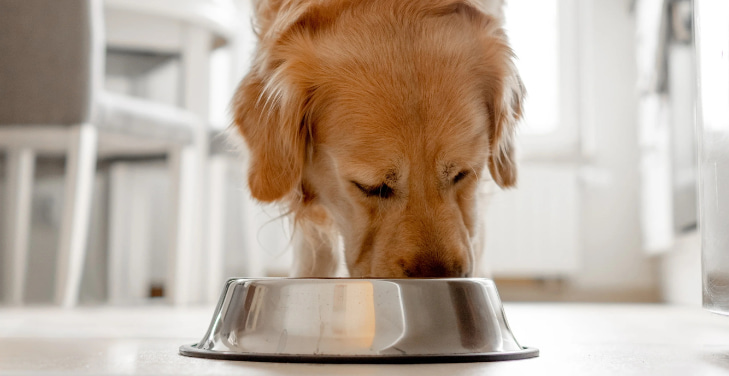
Can dogs eat chia seeds?
Are Chia Seeds Safe for Dogs?
Chia seeds are not only a prominent source of nutrients in the human diet but also provide significant nutritional value for pets. When used properly, these tiny seeds become an optimal support for your dog's overall health.
Veterinary Perspective
Veterinarians confirm that the nutritional composition of chia seeds can enhance cell metabolism and maintain homeostasis. Omega-3 fatty acids help regulate cardiovascular activity, while soluble fiber stimulates intestinal motility and improves intestinal microflora.
Proper Preparation and Portion
Dosage control is essential. When chia seeds are properly soaked and mixed, they absorb water, forming a natural gel that helps prevent esophageal blockage. A small amount, based on body weight, can make a noticeable difference in your dog's daily energy and vitality.
Nutritional Value of Chia Seeds for Dogs
Chia seeds are a natural storehouse of highly bioavailable micronutrients that help strengthen the dog's overall nutritional foundation. The microscopic structure of the seeds contains a concentrated amount of nutrients, which directly affects energy metabolism and cell function.
Fiber and Digestive Support
The soluble fiber in chia seeds creates a favorable environment for beneficial bacteria to grow, maintain intestinal motility, and increase nutrient absorption. This mechanism helps stabilize the digestive system and improve natural detoxification.
Omega-3 and Cellular Health
Omega-3 fatty acids in chia seeds support cell membrane synthesis, reduce oxidative stress, and optimize nerve activity. They nourish the skin, smooth the coat, and protect the heart muscle from microvascular damage.
Protein, Calcium, and Antioxidants
The plant protein, calcium, and antioxidant compounds help strengthen muscles, bones, and the immune system, providing sustainable vitality for pets.
Health Benefits of Chia Seeds for Dogs
Chia seeds provide a complete nutritional foundation to help your dog maintain optimal physiological health. Each seed contains a synergistic micronutrient system that provides a multifaceted impact on metabolic, immune, and tissue health.
Joint and Heart Support
The alpha-linolenic acid (ALA) in chia seeds stimulates endogenous anti-inflammatory processes, supports joint mobility, and protects heart muscle cells from oxidative damage. This mechanism strengthens blood vessel endurance and improves circulatory efficiency.
Skin, Coat, and Anti-inflammatory Effects
Omega-3s and polyphenols promote epidermal regeneration, balance skin lipids, promote a shiny coat, and reduce soft tissue irritation. These active ingredients regulate the inflammatory response, resulting in a healthy and radiant appearance.
Digestive and Hydration Benefits
The natural gel structure of chia seeds maintains the moisture of the intestinal mucosa, enhances water absorption, and supports smooth digestion, keeping the dog's body full of biological energy.
How Much Chia Seeds Can Dogs Eat?
Chia seed dosage plays a crucial role in promoting biological effectiveness and maintaining metabolic balance in dogs. Each gram of chia seed contains a high nutrient density, so establishing a consumption limit based on body weight is an important step in veterinary nutrition.
Weight-Based Portion
Small dogs (under 10 kg) should ideally receive about ¼ teaspoon per day. Medium dogs (10–25 kg) are suitable for ½ teaspoon, while large dogs (over 25 kg) can use up to 1 teaspoon. This amount is enough to activate anti-inflammatory mechanisms and improve metabolism.
Feeding Frequency
Chia seeds should be supplemented 3–4 times per week to stabilize blood lipid levels and support intracellular electrolyte balance.
Hydration Importance
When mixed into moist or pre-soaked foods, chia seeds increase water absorption, supporting bowel movements and maintaining overall hydration.
How to Feed Chia Seeds to Dogs Safely
Chia seeds become an ideal supplement when prepared and used properly. A scientific feeding process not only helps to maximize nutrient absorption but also protects the digestive system and balances the dog's internal homeostasis.
Soaking and Activation
Soaking chia seeds in warm water for 10–15 minutes helps to activate natural enzymes, creating a biological gel layer around the seeds. This gel layer softens the structure, aids digestion, and maintains intracellular moisture after absorption.
Incorporation into Meals
Chia seeds can be mixed into wet food or pate, or processed into homemade treats. This combination creates a soft, easy-to-eat structure, while providing stable energy throughout the day.
Avoid Additives
Use only pure chia seeds, without additives or sweeteners, to ensure that the nervous system and liver are not under excess metabolic pressure.
Potential Risks and Side Effects
Chia seed supplementation for dogs must be carefully regulated to avoid unwanted physiological reactions. When the body absorbs more than it needs, the digestive and metabolic processes can be strongly affected, creating a temporary imbalance in the internal system.
Digestive Overload
The high fiber content in chia seeds strongly stimulates intestinal motility, leading to bloating or gas accumulation in the stomach. This phenomenon affects the circulation of digestive fluids and can increase abdominal pressure.
Allergic Responses
Some individuals have an immune reaction to the vegetable protein in chia seeds. Common manifestations include itchy skin, mild swelling around the muzzle, or increased tearing due to the local release of histamine.
Hydration and Water Balance
Chia seeds strongly absorb water, so dogs need to be supplemented with adequate fluids to support water absorption, prevent electrolyte disturbances, and maintain stable blood pressure.
When to Avoid Giving Chia Seeds
Chia seeds offer a variety of biological benefits, but in some cases, a dog's body needs careful management before supplementation. Knowing when to limit their use helps protect physiological activities and stabilize metabolic function.
Digestive Disorders
Dogs with digestive disorders such as enteritis, malabsorption, or sensitive bowel syndrome should be evaluated by a veterinarian. A weak digestive mucosa will react strongly to the high fiber content of chia seeds, altering the microbiota balance.
Chronic or Metabolic Conditions
Individuals with chronic medical conditions such as kidney failure, diabetes, or blood-clotting disorders need strict nutritional control. The Omega-3 and mineral content of chia seeds directly affects lipid metabolism and liver function.
Veterinary Consultation
Consulting with your veterinarian before supplementation helps establish safe dosages, maintain physiological stability, and optimize nutritional benefits.
Chia Seeds vs. Other Healthy Seeds for Dogs
Nutritional seeds form a diverse micronutrient ecosystem, in which chia seeds play a prominent role thanks to their ability to provide cellular energy and balance metabolism. The combination of seeds helps to expand the nutrient spectrum and increase the biological efficiency for the dog's body.
Flaxseeds and Digestive Harmony
Flaxseeds contain lignans and soluble fiber that support intestinal mucosa regeneration, stabilize peristalsis, and improve the microflora. When used with chia seeds, the digestive system is strongly activated, promoting the absorption of lipids and fat-soluble vitamins.
Pumpkin and Sunflower Seeds
Pumpkin seeds provide zinc, magnesium, and cucurbitacin to boost immunity, while sunflower seeds are rich in vitamin E to protect cells from oxidation. The mutual complementarity between these seeds creates a sustainable nutritional foundation.
Integrative Nutritional Strategy
Combining multiple types of seeds in reasonable doses helps maintain a balanced biological state, increase resistance, and improve connective tissue function for pets.
Conclusion
Chia seeds offer outstanding nutritional value for dogs when used correctly and in moderation. The nutrients in the seeds activate the metabolism, increase tissue endurance, and nourish the skin, hair, and digestive system.
Adding chia seeds to the diet helps stabilize energy, support the cardiovascular system, and strengthen the natural immune system. Every small portion makes a positive impact on your pet's overall health and mental state.
Discover more about the effects of chia seeds on the digestive system through the content Do chia seeds make you poop?.
Frequently Asked Questions (FAQs)
- Can dogs eat chia seeds? – Dogs can eat chia seeds in appropriate doses. Omega-3, fiber, and protein help maintain cardiovascular health, digestion, and increase cellular energy, creating a stable metabolic balance every day.
- How many chia seeds should dogs eat per day? – The recommended dose is about ¼ teaspoon per 5 kg of body weight. This dose helps optimize micronutrient absorption and prevent intestinal fiber overload.
- Do you need to soak chia seeds before feeding your dog? – Soaking chia seeds helps release natural enzymes, creating a biological gel layer that aids digestion. The gel structure helps soothe the intestinal mucosa and increases the ability to retain intracellular water for pets.
- Do chia seeds help improve dog fur and skin? – The Omega-3 and polyphenol content in chia seeds nourish the epidermis, regulate sebum, and stimulate skin cell regeneration, giving a shiny, healthy coat and a soft, smooth skin texture.
- When should you not feed your dog chia seeds? – Dogs with kidney disease, diabetes, or digestive disorders should be evaluated by a veterinarian first. Strict dosage control helps maintain homeostasis and ensure safe physiological function.
