
Have you ever wondered why stepping into a minimalist space brings an instant feeling of relief? The answer lies in how the living environment directly impacts the mind and emotions day to day.
Minimal Spaces represent a purposeful living trend where order, light, and space together shape a positive living experience. Clearly organized spaces help people maintain focus, balance emotions, and enjoy a slower pace of life.
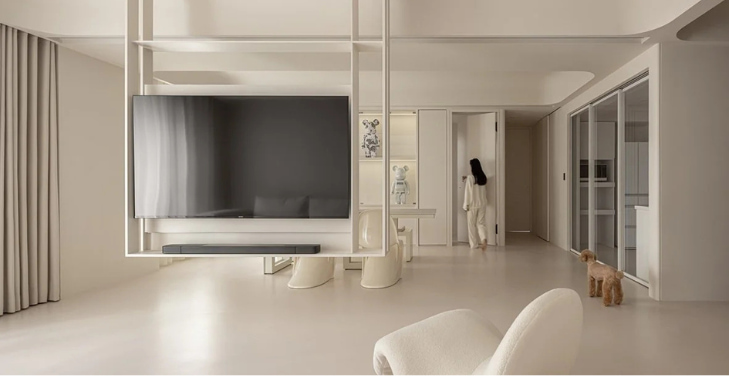
Minimal environments influence mood, focus, and daily well-being through simple design choices.
What is Minimal Spaces in Modern Life?
Minimal Spaces reflect a lifestyle focused on simplicity and core values in modern life. As life becomes increasingly hectic, well-organized spaces help people maintain a stable mental state and a clear daily routine.
Minimal Spaces as a Lifestyle Choice
Minimal Spaces represent a purposeful way of living, where each item has a specific meaning and function. Space plays a role in supporting positive behavior and enhancing the quality of daily experiences.
Design Rooted in Simplicity
Minimal design uses clean lines, neutral colors, and harmonious layouts. This organization creates a sense of lightness, order, and adaptability to various lifestyles.
Connection Between Space and Well-being
Minimal Spaces promote focus, cultivate a sense of control, and strengthen mental balance. A minimalist space becomes the foundation for long-term health, productivity, and well-being.
The Psychological Comfort of Visual Simplicity
Visual simplicity creates an immediate sense of comfort in perception and emotion. When the surrounding environment is simplified, the brain receives information more clearly, and the psychological state becomes stable and calm.
Reduced Cognitive Load
Visual simplicity helps the brain process fewer stimuli, thereby maintaining alertness and a coherent thought process. A tidy space provides a sense of control and initiative in daily life.
Sense of Calm and Safety
Simple layouts, harmonious colors, and reasonable spacing create a sense of security. An orderly visual environment fosters positive emotions and a natural state of relaxation.
Emotional Regulation
Visual simplicity supports emotional balance by maintaining a stable psychological rhythm. A clear space helps people connect more deeply with the present and maintain a consistent state of mind throughout the day.
Daily Mental Relief
Visual simplicity provides lasting relief, contributing to improved quality of life and long-term mental health.
Minimalism and Mental Clarity
Minimalism creates a clear mental foundation by organizing living spaces in a purposeful order. When the surrounding environment is streamlined, the mind operates coherently, and the flow of thoughts becomes stable and seamless.
Clear Visual Hierarchy
Minimalism establishes a clear visual order, helping the brain quickly recognize information. Each area in the space has a specific purpose, thereby enhancing concentration and behavioral orientation.
Focused Attention
Minimalist spaces reinforce the ability to maintain deep attention. An environment with fewer unnecessary details helps the mind stay alert and maintain stable cognitive performance throughout the day.
Mental Flow
Minimalism supports a continuous and natural flow of thought. When the space is free of distractions, ideas cohere, and decision-making flows smoothly.
Clarity in Daily Life
Clearness in space reflects clarity in thought, contributing to an improved quality of life and a sense of control each day.
Reduced Stress Through Organized Environments
Organized environments bring a sense of stability and order to daily life. When spaces are clearly organized, the body and mind enter a relaxed state, and the rhythm of daily life becomes gentle and consistent.
Predictability and Control
Organized environments create a positive sense of control. Having everything in its proper place helps people react calmly, maintain initiative, and clearly perceive personal order.
Lower Sensory Pressure
Organized spaces soothe the nervous system. Visual tidiness reduces sensory pressure and maintains a stable psychological state throughout the day.
Efficient Daily Movement
Organized environments support smooth movement in daily life. When spaces are convenient and logical, daily activities flow smoothly and conserve mental energy.
Emotional Balance
Organity strengthens a sense of security, enhances adaptability, and sustainably fosters positive emotional states.
How Minimal Spaces Support Healthy Habits
Minimal spaces shape daily behavior through a clear and focused living environment. When spaces are simplified, positive habits form naturally and remain stable over time.
Mindful Daily Routines
Minimal spaces facilitate conscious daily rituals. Each area supports a specific action, helping people maintain a regular rhythm of life and focus on the present.
Encouraging Physical Movement
Minimal spaces expand pathways and activity areas, promoting gentle movement throughout the day. An open layout encourages flexible body movement and maintains positive energy.
Healthy Eating Environment
A streamlined kitchen and dining area creates a sense of clarity and order. This environment supports conscious food choices and a balanced eating rhythm.
Consistency and Habit Formation
Simplicity in space reinforces consistency, helping healthy habits become a natural part of daily life.
Discover the calm and comfort of quiet evenings at home and how they can improve your well-being.
The Role of Natural Light and Open Space
Natural light and open space create a foundation for positive emotions in modern living spaces. When natural light spreads, and an open layout is maintained, the body reacts harmoniously, and the mind achieves a state of alertness and comfort.
Natural Light and Mental Energy
Natural light activates the circadian rhythm, increases alertness, and maintains stable energy throughout the day. Bright spaces help the mind become clear, and positive emotions spread.
Sense of Openness
Open space expands the view and creates a feeling of comfort. The airy layout allows people to breathe more deeply and maintain a balanced mental state.
Visual Continuity
Open spaces combined with natural light create a seamless visual flow. This environment supports concentration and a sense of connection between people and their living space.
Daily Well-being Support
Natural light and open space together nurture mental health, a stable rhythm of life, and a sustainable quality of life.
Minimal Design and Better Sleep Quality
Minimal design creates a quiet and rhythmic sleep environment. When the bedroom space is simplified, the body transitions easily into a state of deep relaxation, and sleep occurs naturally and seamlessly.
Calm Visual Atmosphere
A clean layout and soothing colors create a sense of peace. A simple visual environment helps calm the mind and prepare for a quality rest cycle.
Reduced Mental Stimulation
Minimal design maintains a moderate level of stimulation before bedtime. Clear spaces help slow down thinking and stabilize emotions at the end of the day.
Consistent Sleep Cues
A minimalist bedroom reinforces familiar rest signals. Consistency in design helps the body recognize sleep time and maintain a regular circadian rhythm.
Restorative Night Experience
A minimalist sleeping space fosters deep sleep, helping the body recover energy and feel refreshed in the morning.
Emotional Freedom and Sense of Control
Emotional freedom is formed when living spaces reflect inner order and personal initiative. A streamlined environment provides a sense of lightness, allowing emotions to flow more smoothly and stably in daily life.
Clarity in Personal Space
Clearly organized spaces help people feel a strong sense of personal boundaries. Each area has a specific purpose, reinforcing a sense of control and confidence in daily life.
Emotional Lightness
Minimalism in space facilitates the natural flow of emotions. When the surrounding environment is light and airy, the mood becomes more open and balanced.
Intentional Choices
Minimal spaces encourage conscious choices. Deciding to keep only the essential elements reinforces control and initiative in life.
Inner Stability
The sense of control in the living space permeates the mind, fostering emotional stability and a lasting sense of freedom each day.
Minimalism in Small Daily Rituals
Minimalism permeates small daily rituals, creating a conscious rhythm of life and a sense of full presence. When space and objects are simplified, each moment of daily life becomes clear, slow, and easily perceived.
Morning Simplicity
Mornings in a minimalist space offer a gentle start. Light, order, and a neat layout help the body become alert and the mind stable from the very first actions.
Focused Work Moments
Minimalism supports periods of focused work. A streamlined environment maintains deep attention and a coherent thought process throughout.
Intentional Breaks
Short breaks in a simple space allow for rapid emotional renewal. Visual stillness facilitates relaxation and energy recovery.
Evening Wind-Down Rituals
Evening rituals unfold peacefully when the space maintains order. Minimalism fosters a state of tranquility and allows for a harmonious end to the day.
Conclusion
Minimal Spaces represent a purposeful way of living, where space becomes the foundation for mental balance and a healthy rhythm of life. The simplicity of the design fosters clarity, peace of mind, and emotional freedom.
When living environments are organized coherently, people maintain focus, form positive habits, and experience a sustainable quality of life. Minimal Spaces spread lasting value in modern life, supporting mental health and a sense of peace every day.
Discover why drinking warm water in the morning is a popular habit for digestion and overall wellness.
Frequently Asked Questions (FAQs)
- What are minimalist spaces in modern living? – Minimalist spaces are designed with simplicity and intention, focusing on function and essential values. This layout supports a clear mind, stable emotions, and a purposeful rhythm of daily life.
- Why do minimalist spaces feel comfortable? – A simple visual environment allows the brain to process information smoothly. Order within the space fosters security, maintains calmness, and improves overall comfort.
- How do minimalist spaces affect daily habits? – Clear layouts in minimalist spaces guide positive behavior. Each area supports a specific activity, helping routines become more regular, mindful, and aligned with a healthy lifestyle.
- What role does natural light play in minimalist spaces? – Natural light boosts mental energy and enhances the sense of space. Combined with minimalist design, it creates an airy, comfortable environment that supports emotional stability.
- Is minimalism suitable for a busy life? – Yes. Minimalism suits modern, busy lifestyles by providing clarity and adaptability. A streamlined space saves mental energy, improves focus, and fosters a sense of daily control.
