
Shilajit possesses the concentrated mineral power from ancient mountain depths. Many view it as a symbol of natural energy and enduring vitality. Its popularity in the supplement world is rapidly increasing, attracting the attention of the health community.
Alongside this growing reputation, questions about its safety are increasingly common. Its concentrated mineral content, potential for impurities, and potent biological effects make the risks associated with shilajit a significant health concern.
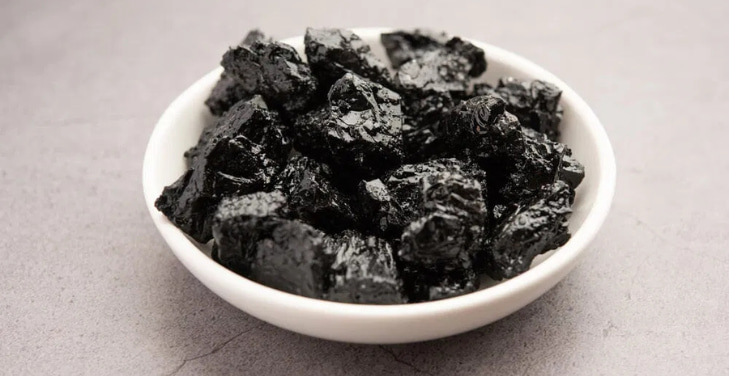
Raw shilajit may contain heavy metals and harmful contaminants.
What Is Shilajit?
In high-altitude mountain regions, thousands of meters above sea level, the decomposition of ancient plants creates a dense, bio-rich mineral resin. Shilajit appears as a dark, resinous mass seeping from rock crevices after centuries of geological and biological transformation. Its composition is concentrated with trace minerals and active organic compounds. Many traditional medical systems view shilajit as a natural mineral nutrient that supports vitality and energy metabolism.
Natural Resin Formed in Mountain Environments
Geological pressure, temperature, and prolonged biodegradation create a thick layer of mineral resin embedded in rock layers. Shilajit accumulates in mountain ranges such as the Himalayas and the Altai, where natural conditions promote the mineralization of ancient plant matter. As temperatures rise, this resin softens and is exposed from rock crevices.
Rich Source of Bioactive Compounds
The chemical composition of shilajit includes fulvic acid, humic substances, and dozens of trace minerals. These compounds support mineral transport into cells, activate many metabolic enzymes, and promote mitochondrial activity. Thanks to its small molecular structure, fulvic acid facilitates nutrient absorption in the body.
Role in Traditional Ayurvedic Medicine
Many Ayurvedic texts describe shilajit as a rasayana that enhances stamina and bioenergy. Traditional healers combine shilajit with herbs to promote mineral metabolism and maintain physiological balance. Traditional formulas often use a refined resin form to optimize their natural nutritional value.
Why Is Shilajit Dangerous for Some People?
Some biological properties of shilajit cause strong reactions in the body when used inappropriately. Its concentrated mineral content and numerous bioactive compounds directly impact metabolism. While these factors offer benefits in many cases, they also increase the risk of physiological disorders in some individuals with sensitive constitutions or underlying medical conditions.
Concentrated Mineral Composition
Shilajit has a very high mineral content, including iron, zinc, copper, and many other trace minerals. This strong mineral concentration promotes enzyme activity and cellular metabolism. The body reacts significantly to high mineral levels, especially with high doses or prolonged use.
Sensitivity to Bioactive Compounds
Fulvic acid and humic compounds in shilajit activate many biological processes in the body. Some individuals exhibit strong physiological reactions such as changes in energy metabolism or fluctuations in blood mineral concentrations. Individual sensitivity determines how the body receives these compounds.
Quality Variability in Natural Sources
The natural origin of shilajit creates significant differences in composition and purity. Environmental conditions, geology, and collection methods directly affect the quality of the mineral resin. This variability increases the likelihood of impurities or undesirable compounds in the product.
Heavy Metal Contamination Risks
The formation process in a complex geological environment causes shilajit to accumulate many minerals from the surrounding rocks and soil. Some minerals have biological value, while some heavy metals enter the resin structure over centuries. When humans collect and use this resin directly, heavy metals can enter the body along with other active compounds.
Presence of Lead, Mercury, and Arsenic
Some samples of natural shilajit contain lead, mercury, and arsenic at varying levels. These metals are mixed into the mineral structure of the mountain resin. When humans consume uncontrolled amounts of these products, the metals enter the bloodstream and are distributed to various tissues.
Environmental Accumulation in Mountain Regions
High mountain ranges contain many complex mineral layers accumulated over millions of years. The weathering of rocks and the flow of mineral water introduce many metals into the geological environment. Shilajit absorbs these minerals during its formation, becoming a concentrated bio-mineral mixture.
Health Effects of Chronic Exposure
Heavy metals strongly affect the nervous system, liver, and kidneys when accumulated in the body over the long term. Lead impacts nerve function and blood formation. Mercury affects nerve tissue and metabolic regulation. Arsenic participates in many biological reactions that disrupt cellular function.
Potential Side Effects of Shilajit
The body reacts noticeably to the concentrated mineral and bioactive compounds in shilajit. The strong bioactive properties of this mineral resin directly affect digestion, purine metabolism, and the immune system. Some people experience various physiological manifestations after use, especially at high doses or when they are sensitive to the active compounds.
Digestive Discomfort and Nausea
The digestive system reacts quickly to the humic and mineral compounds in shilajit. Some people experience bloating, nausea, or mild stomach discomfort. These reactions often occur when the body receives large amounts of bioactive compounds in a short period of time.
Increased Uric Acid Levels
The mineral and bioactive components of shilajit stimulate multiple purine metabolic pathways. This process increases blood uric acid levels in some people. High uric acid levels trigger an inflammatory response in the joints, causing pain and soreness in susceptible individuals.
Possible Allergic Reactions
Some natural compounds in shilajit trigger an immune response in susceptible individuals. The immune system recognizes foreign molecules and releases inflammatory mediators. This reaction produces symptoms such as itchy skin, rashes, or general discomfort.
Risks from Unpurified or Raw Shilajit
Mineral resins collected directly from mountains contain many complex biological and mineral impurities. The natural formation process, spanning centuries, introduces numerous microorganisms, minerals, and organic compounds into the shilajit structure. When consumed in its raw form, this element enters the body at once, posing several notable biological risks.
Presence of Microbes and Fungal Contaminants
High-altitude mountain environments contain many bacteria, fungi, and microorganisms living in damp rock crevices. These microorganisms adhere to the mineral resin as it forms naturally. When humans consume raw shilajit, these microorganisms enter the digestive system, triggering immune responses or intestinal disorders.
Natural Toxins and Environmental Impurities
Many organic and mineral compounds accumulate in mountain resin over time. Some compounds possess strong biological activity and directly affect cells. Environmental impurities also mix into the structure of mineral resins and contribute to increasing the metabolic burden on the body.
Who Should Avoid Taking Shilajit?
Several groups of people should carefully consider the risks before using shilajit, given its high mineral content and strong bioactivity. The compounds in the mineral resin directly affect mineral metabolism, uric acid, and many important physiological processes. Certain individuals or health conditions may cause the body to react more strongly to these compounds.
People with High Uric Acid or Gout
High blood uric acid levels are directly linked to gout attacks. The mineral and bioactive compounds in shilajit promote purine metabolism and increase uric acid production. People with a history of gout often experience joint pain and inflammation when uric acid levels rise sharply.
Individuals with Iron Overload Disorders
The natural iron content of shilajit supports the replenishment of minerals in the body. Individuals with iron overload disorders, such as hemochromatosis, experience an increase in blood iron levels when consuming high-iron content. High iron levels promote oxidation and affect liver function.
Pregnant or Breastfeeding Individuals
Pregnancy and breastfeeding involve many significant physiological changes. The active compounds in shilajit affect mineral metabolism and hormone activity. Many health professionals recommend prioritizing stable and carefully controlled nutritional sources during this sensitive period.
Drug Interactions and Medical Concerns
The potent bioactive compounds of shilajit exert numerous effects on mineral metabolism, hormones, and the circulatory system. When these compounds are taken with medications, the drugs' absorption and metabolism are significantly altered. This interaction directly affects treatment efficacy and the body's physiological balance.
Effects on Blood Sugar Regulation
The fulvic acid compounds and trace minerals in shilajit stimulate energy metabolism and the activity of enzymes involved in glucose metabolism. The body responds by altering blood glucose levels. Individuals using blood glucose control medications experience glucose fluctuations when combined with this source of bioactive compounds.
Influence on Blood Pressure
The minerals and organic compounds in shilajit affect the circulatory system and blood vessel function. These factors promote changes in blood pressure regulation. When used concurrently with cardiovascular medications, the body experiences fluctuations in heart rate and pulse pressure.
Need for Medical Supervision
Many active ingredients in shilajit are directly involved in metabolic processes and enzyme regulation. This involvement affects how the body processes the medication. Guidance from a healthcare professional helps adjust dosage and ensure a stable physiological state throughout the course of treatment.
How to Reduce the Risks of Shilajit Supplements
Safe use of shilajit depends on product quality, appropriate dosage, and an understanding of its biological properties. Its rich mineral and organic compound content provides many potent physiological effects. Choosing a product that meets standards and using it correctly helps the body absorb these compounds more stably and effectively.
Choosing Purified and Tested Products
The purification process removes impurities, heavy metals, and microorganisms accumulated in natural mineral resins. Reputable manufacturers employ rigorous filtration and quality control methods. Purified products provide stable active ingredients and reduce the risk of harmful substance accumulation.
Checking Third-Party Certifications
Independent testing organizations evaluate the mineral composition, purity, and heavy-metal levels of the product. Certification from reputable laboratories confirms the safety and transparency of the raw materials. Clear test results help users choose reliable products.
Following Recommended Dosages
Appropriate dosages help the body absorb shilajit's bioactive compounds in a balanced way. Following the manufacturer's instructions or a healthcare professional's guidance maintains stable mineral levels in the body. A cautious approach supports physiological adaptation and maintains a stable metabolic state.
Signs You Should Stop Using Shilajit
The body often sends clear signals when reacting strongly to the bioactive compounds in shilajit. Physiological changes occur when the active ingredients of the mineral resin stress the digestive system, immune system, or mineral metabolism. Early recognition of these signs helps protect health and maintain a stable physiological state.
Unusual Physical Reactions
Some people experience unusual fatigue, dizziness, or general discomfort after using shilajit. These reactions occur when the body reacts to high concentrations of minerals and humic compounds. The nervous and circulatory systems are involved in adapting to new bioactive compounds.
Persistent Digestive Issues
The digestive system reacts sensitively to the concentrated organic compounds in shilajit. Some people experience abdominal pain, nausea, or prolonged digestive upset. These symptoms indicate that the digestive tract is under pressure from bioactive compounds.
Changes in Uric Acid or Iron Levels
The mineral content of shilajit directly impacts iron and purine metabolism. Some people report increased levels of uric acid or iron in their blood. These changes affect joint function, liver function, and mineral metabolism.
Conclusion
Shilajit contains a concentrated source of minerals and many bioactive compounds. These components directly impact energy metabolism, the immune system, and mineral balance in the body. These powerful properties also increase the risk of side effects when used without proper understanding.
A clear understanding of the risks of heavy metals, natural impurities, and biological interactions helps users make safe choices. Refined products, appropriate dosages, and medical guidance help protect health and optimize nutritional benefits.
Frequently Asked Questions (FAQs)
- Can shilajit be dangerous to health? – Shilajit contains many minerals and potent bioactive compounds. Some natural products may contain heavy metals or environmental contaminants. These factors may affect the liver, kidneys, and nervous system with long-term exposure.
- Why is raw shilajit often considered riskier? – Raw shilajit may contain microorganisms, unstable minerals, and impurities accumulated from the mountainous environment. The refining process removes many of these elements, allowing refined products to deliver clearer and more stable active ingredients.
- Who needs to be cautious when using shilajit? – People with high uric acid levels, iron accumulation disorders, or mineral metabolism conditions should be cautious. The high mineral content of shilajit may influence purine metabolism, iron metabolism, and other biological processes.
- Can shilajit interact with medications? – Fulvic acid compounds and trace minerals in shilajit may influence glucose metabolism, blood pressure, and enzyme activity. When taken with medications, these effects may alter how the body absorbs or metabolizes certain drugs.
- How can shilajit be used more safely? – Choosing refined shilajit products that have been tested for heavy metals and verified by laboratory certification can improve safety. Using an appropriate dosage and seeking guidance from healthcare professionals may also support safer use.
