
Astaxanthin holds a powerful biological mystery within the red pigment of marine microalgae. This active compound deeply impacts cell membranes, mitochondria, and the immune system, raising crucial questions about its safety for individuals.
Each person's body responds differently to antioxidant and inflammatory signaling. Who is truly suited to astaxanthin? Discovering the answer helps decipher the line between biological benefits and potential risks.
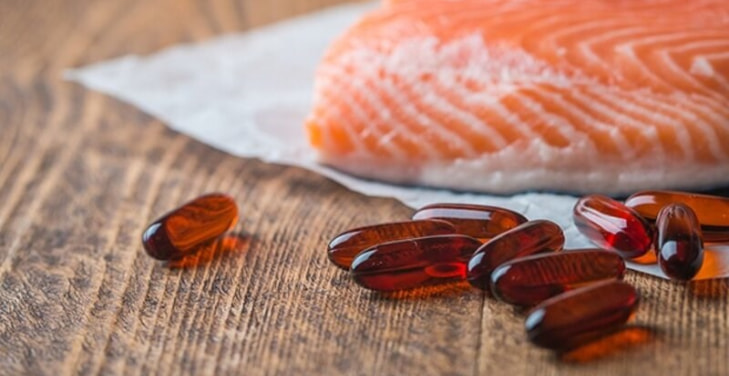
Astaxanthin may not be suitable for people with certain conditions or those taking certain medications.
What Is Astaxanthin and How Does It Work?
Astaxanthin is a naturally occurring carotenoid with a vibrant orange-red color and potent biological activity. This molecule moves flexibly through cell membranes, helping protect lipid structures and supporting physiological functions in many organs. Users are interested in understanding the mechanism of action of this active ingredient to optimize health benefits and ensure safe supplementation.
Natural Antioxidant From Microalgae
The microalgae Haematococcus pluvialis produces astaxanthin at high concentrations under harsh environmental conditions. This active ingredient neutralizes free radicals, stabilizes cell membranes, and protects mitochondria from oxidative stress. The body absorbs astaxanthin through the digestive tract and transports it via lipoproteins to target tissues such as skin, eyes, and muscles.
Cellular Protection and Anti-Inflammatory Activity
Astaxanthin activates endogenous antioxidant signaling pathways, such as the Nrf2 pathway. It regulates inflammatory responses, supports cytokine balance, and maintains the integrity of phospholipid membranes. This effect helps maintain muscle strength, cardiovascular function, and visual health.
People With Low Blood Pressure
Individuals with low blood pressure should carefully consider astaxanthin. This compound is involved in regulating vascular tone and affects circulatory response. Even small changes in blood pressure can lead to noticeable improvements in daily well-being and energy levels.
Blood Pressure-Lowering Mechanisms
Astaxanthin supports vasodilation by increasing endothelial nitric oxide production and reducing oxidative stress on the vessel walls. This effect improves blood flow and optimizes oxygen transport to tissues. People with low blood pressure have reported additional reductions with higher doses or in combination with a low-sodium diet.
Dizziness and Circulatory Sensitivity
Low blood pressure combined with vasodilation can cause mild dizziness when changing posture. Heart rate and cerebral perfusion pressure react quickly to changes in circulating volume. Users should note feelings of lightheadedness, fatigue, and decreased concentration in the first few days of supplementation.
Monitoring and Individual Response
Regular blood pressure monitoring helps adjust dosage and timing appropriately. Symptom logging helps identify individual responses and optimize safety. Medical advice provides strategic guidance based on an individual's health and the medications being used.
Individuals Taking Blood-Thinning Medications
Individuals taking blood-thinning medications should carefully consider the potential interactions with astaxanthin supplementation. This active ingredient is involved in biological mechanisms related to circulation and inflammation, thereby affecting the coagulation-hemostasis balance. Its combination with anticoagulants produces noticeable physiological changes in the vascular system.
Interaction With Anticoagulants
Astaxanthin affects platelet function and reduces oxidative stress on the vascular endothelium. When combined with warfarin, aspirin, or direct oral anticoagulants, this effect increases blood fluidity. The concentration of the active ingredient and the medication's dosage determine the degree of biological interaction.
Bleeding Risk Awareness
Users may notice increased bruising, mild nosebleeds, or prolonged hemostasis. Soft tissues and capillaries are sensitive to changes in coagulation. Early recognition of these signs helps adjust supplementation plans and optimize safety.
Clinical Consultation and Monitoring
A physician conducts a comprehensive assessment of current medications, medical history, and health goals before authorizing any supplements. Regular coagulation tests help monitor individual responses. An appropriate usage strategy maintains treatment effectiveness and protects the circulatory system.
Those With Autoimmune Conditions
Individuals living with autoimmune diseases need to approach astaxanthin with caution. This compound affects immune signaling and the inflammatory environment, thereby impacting disease progression and symptom perception. Decisions regarding supplementation should be based on clinical assessment and disease management goals.
Immune-Modifying Activity
Astaxanthin modulates T cell and macrophage activity by reducing oxidative stress and balancing cytokines. It supports cellular barrier stability and maintains an orderly immune response. This effect alters the intensity of tissue inflammation and the level of immune activation.
Impact on Disease Activity
Modulation of immune signaling affects disease manifestations in the joints, skin, and digestive system. Some individuals report changes in pain levels, fatigue, and energy. Monitoring symptoms helps identify individual responses and adjust dosages accordingly.
Pregnant or Breastfeeding Women
Pregnant or breastfeeding women should carefully consider the risks before using astaxanthin. Pregnancy and the postpartum period bring about profound physiological changes in endocrine, circulatory, and metabolic processes. Any supplement directly impacts the fetal environment and the quality of breast milk.
Limited Clinical Safety Data
Studies on pregnant women are limited in scale and duration. Astaxanthin is involved in oxidative regulation and cell signaling, thereby affecting fetal growth and tissue differentiation. Risk assessment based on available data should guide cautious decision-making.
Placental and Breast Milk Considerations
This fat-soluble molecule can cross the placenta and accumulate in lipid-rich tissues. Astaxanthin may also be present in breast milk due to its solubility in plasma lipids. This presence affects the biological environment of infants during periods of rapid growth.
Medical Supervision During Supplementation
The obstetrician conducts a comprehensive assessment of the mother's diet, medications taken, and pregnancy status before making a recommendation. Supplementation decisions are based on a careful consideration of maternal health benefits and infant safety. Regular clinical monitoring supports a stable pregnancy and effective breastfeeding.
People With Hormone-Sensitive Conditions
Individuals with hormone-sensitive conditions should carefully consider astaxanthin. This compound is involved in regulating oxidative stress, endocrine signaling, and cellular metabolism. Small changes in the hormonal axis can significantly affect reproductive tissues, the thyroid gland, and metabolic balance.
Hormonal Signaling Pathways
Astaxanthin affects the activity of nuclear receptors and enzymes involved in steroid metabolism. It supports the balance of cortisol, estrogen, and other endocrine signals by reducing inflammation and stabilizing cell membranes. This regulation influences circadian rhythms and endocrine responses.
Thyroid and Reproductive Health
The thyroid gland and reproductive tissue are sensitive to changes in oxidative and inflammatory signaling. Astaxanthin is involved in maintaining a stable cellular environment, thereby impacting energy metabolism and reproductive function. Individuals with uterine fibroids, endometriosis, or thyroid disorders should monitor their bodies' reactions when taking supplements.
Individuals Scheduled for Surgery
Individuals preparing for surgery should carefully consider the use of astaxanthin during the pre-operative phase. The body enters a sensitive state to changes in coagulation, blood pressure, and inflammatory response. Any factor that directly affects circulation and hemostasis impacts safety in the operating room and during recovery.
Effects on Bleeding and Coagulation
Astaxanthin regulates platelet activity and reduces endothelial oxidative stress. This effect influences the rate of clot formation and the strength of the vascular wall. In the context of surgery, coagulation abnormalities increase blood loss and prolong the time required to control bleeding.
Blood Pressure Stability During Surgery
Astaxanthin supports vasodilation and improves blood flow. This effect influences blood pressure during anesthesia and surgical procedures. Stable blood pressure is crucial for maintaining perfusion to vital organs.
Pre-Surgery Discontinuation Timeline
Surgeons often require discontinuing dietary supplements the day before surgery to optimize clotting control. The discontinuation period depends on the dosage and individual health condition. Full communication with the medical team helps develop a safe and effective pre-operative plan.
Allergy Risks and Sensitivities
Individuals with allergies should carefully assess the origin and composition of astaxanthin before use. This active ingredient is often extracted from microalgae or is related to the seafood production chain. An overreaction can occur when the body recognizes foreign proteins or accompanying impurities.
Source-Related Allergen Exposure
Astaxanthin from microalgae contains biological components specific to the culture medium. The production and purification process determines the purity of the final product. Individuals with a history of seafood or algae allergies should carefully check manufacturer information and quality certifications.
Immune Response Activation
The body reacts to allergens by activating mast cells and releasing histamine. This reaction causes itching, rashes, skin redness, or swelling of the lips and eyelids. A sensitive immune system produces symptoms quickly after exposure.
Label Review and Sensitivity Testing
Carefully reading product labels helps identify additives, oil carriers, and the risk of cross-contamination. Testing a low initial dose helps observe individual reactions. Medical advice guides the selection of products suitable for your allergy history.
Children and Adolescents
Children and adolescents enter a period of rapid physical and endocrine growth. Their developing organ systems are sensitive to any supplemental substances. The use of astaxanthin in this age group should be based on an understanding of developmental physiology and long-term health care goals.
Growth and Development Considerations
Children's bodies are growing rapidly, building muscle mass, bones, and the nervous system. Astaxanthin participates in regulating oxidative stress and cellular signaling, thereby influencing the metabolic environment during development. Changes in redox balance directly impact tissue differentiation and repair.
Dosing and Metabolic Response
Low body mass and a maturing liver enzyme system determine the rate of astaxanthin metabolism. The supplemental dose needs to be appropriate for weight and physiological needs. Metabolic responses in children differ significantly from those in adults.
Pediatric Guidance and Monitoring
Pediatricians assess nutritional status, underlying medical conditions, and goals before recommending supplementation. Regular monitoring helps identify changes in energy levels, sleep patterns, and bodily responses. Personalized strategies support healthy and stable development.
How to Assess If Astaxanthin Is Safe for You
Assessing the safety of astaxanthin requires a personalized and systematic approach. Each body possesses a different genetic background, medical conditions, and a medication regimen. A comprehensive review process helps optimize antioxidant benefits and maintain physiological balance.
Reviewing Medical History and Medications
Users need to review their history of cardiovascular, immune, endocrine, and clotting disorders. A list of currently used medications provides crucial data on potential interactions. This analysis determines the appropriateness of the active ingredient in the context of their current health.
Evaluating Dosage and Formulation
Dosage determines the intensity of biological effects on cells and the circulatory system. Oil-based formulations support gastrointestinal absorption and increase bioavailability. Choosing a product that meets quality standards ensures purity and stability.
Professional Consultation and Ongoing Monitoring
Consulting with a doctor helps develop a supplementation strategy based on specific health goals. Monitoring blood pressure, inflammation levels, and body responses provides a foundation for dose adjustments. This proactive approach ensures long-term safety and effectiveness.
Conclusion
Astaxanthin offers powerful antioxidant benefits and broad biological effects across multiple organ systems. User screening is crucial for optimizing efficacy and maintaining long-term safety. Individuals with underlying medical conditions, those taking specific medications, or those preparing for surgery should undergo careful evaluation before supplementation.
Medical consultation, monitoring health indicators, and selecting appropriate dosages form the basis for responsible use. A personalized approach helps maximize the potential of astaxanthin and maintain sustainable physiological balance.
Frequently Asked Questions (FAQs)
-
Is astaxanthin safe for everyone?
Astaxanthin is generally appropriate for healthy adults when used in suitable amounts. Individuals with specific health conditions or medication use should consider personalized guidance to maintain safety. -
Should people with low blood pressure take astaxanthin?
Because it may influence circulation, individuals with low blood pressure benefit from monitoring their levels and adjusting intake to maintain balance and comfort. -
Does astaxanthin cause drug interactions?
Astaxanthin can interact with certain medications that affect blood flow and inflammation. Reviewing your current medications helps ensure safe and effective use. -
Can pregnant women take astaxanthin?
Due to physiological changes during pregnancy, consulting a healthcare professional helps determine whether supplementation is appropriate. -
How do I know if astaxanthin is right for me?
Assessing your health status and tracking your body's response during early use helps you decide on the most suitable dosage and routine.
