
Shilajit has garnered significant interest within the natural health community. This dark mineral resin accumulates over centuries within high mountains and contains a high concentration of bioactive compounds.
What makes a substance leaching from rock so profoundly impactful on cellular energy, endocrine function, and physical endurance? Why do many traditional medicine systems view shilajit as a symbol of vitality and regeneration?
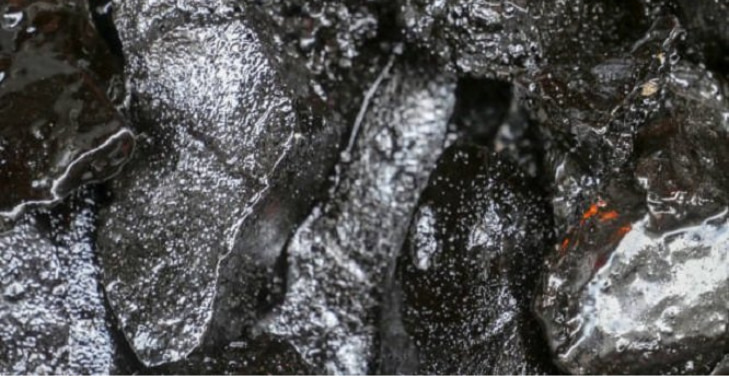
Shilajit is a mineral-rich resin traditionally used for vitality and energy.
What Is Shilajit?
Shilajit appears as a dense, nutrient-rich, and bio-energetic mineral resin. This dark brown substance accumulates over centuries in rock crevices in high-altitude mountain regions, absorbing minerals, microorganisms, and organic compounds. Ancient medical traditions viewed shilajit as a source of vitality and as a means of maintaining physiological balance.
Definition of Shilajit
Shilajit is a natural resin containing fulvic acid, trace minerals, and bioactive compounds. Its concentrated composition supports cellular energy metabolism and maintains physical endurance. Its complex molecular structure enhances nutrient absorption in the body.
Natural Resin from High-Altitude Mountains
Shilajit forms in high-altitude mountain ranges such as the Himalayas, Altai, and Caucasus. High temperatures, pressure, and prolonged plant decomposition create this nutrient-rich mineral resin. The resin seeps from the rocks during the warmer seasons, is then collected, and refined.
Ayurvedic Rejuvenating Substance
Ayurvedic medicine classifies shilajit as a Rasayana, representing a restorative and invigorating nutrient. The traditional system uses shilajit to promote endurance, enhance cognitive function, and support the balance of vital energy.
Origins and Historical Use
Shilajit is closely linked to the history of traditional mountain medicine and ancient trade routes. Ayurvedic practitioners recognize this mineral resin as a natural source of vitality, nourishing the body and maintaining mental clarity. Communities living in the Himalayas collect shilajit seasonally, viewing it as a reward from the mountains and time.
Roots in Ayurvedic Texts
Ancient Ayurvedic texts, such as the Charaka Samhita, describe shilajit as belonging to the Rasayana group, a class of restorative and invigorating nutrients. Physicians use shilajit to enhance endurance, support metabolism, and promote the body's adaptability. Traditional formulas combine shilajit with herbs to optimize its effectiveness.
Traditional Use in the Himalayas
Communities in the Himalayan mountains harvest shilajit from high rock crevices. They mix the mineral resin with warm water or milk to maintain energy and stamina. Folk wisdom passed down through generations has created a rich system of indigenous knowledge.
Cultural Significance Across South Asia
Shilajit holds a significant place in South Asian culture. Ancient merchants transported the mineral resin along trade routes, incorporating it into medical practices and health rituals. Its symbolic value is associated with strength, longevity, and resilience.
How Shilajit Is Formed
Shilajit forms over centuries through geological cycles in harsh, high-altitude environments. Ancient vegetation, microorganisms, and minerals interact continuously under rock pressure and temperature fluctuations. The accumulation process is slow, creating a dense mineral resin rich in bioactive substances and essential trace elements.
Decomposition of Plant Matter Over Centuries
Buried vegetation in rock crevices undergoes prolonged biodegradation. Microorganisms break down organic structures, releasing humic compounds and fulvic acid. This long timeframe creates a mineral-organic mixture with high nutrient density.
Pressure, Temperature, and Altitude Effects
Pressure from large rock masses compresses organic matter, high-altitude temperatures trigger chemical transformations, and seasonal temperature fluctuations accelerate the concentration process. Altitude creates an environment rich in trace minerals, contributing to the formation of shilajit's characteristic structure.
Mineral Concentration and Resin Emergence
Minerals mix with organic compounds, forming dark-colored mineral resin. As temperatures rise in warmer seasons, the resin seeps out from cracks in the rocks. Harvesters collect this resin and refine it for use in healthcare.
Key Nutrients and Active Compounds
Shilajit possesses a complex biochemical structure, concentrating many valuable active ingredients in a concentrated mineral resin. Its composition reflects the interplay between ancient organic matter and trace minerals from the high-altitude environment. Each molecule participates in a chain of biological reactions, promoting metabolism and optimizing cellular energy.
Fulvic Acid Content
Fulvic acid is abundant in shilajit and plays a central role in its biological activity. This compound enhances mineral transport across cell membranes, activates enzymes, and supports mitochondrial energy production. Its small molecular structure allows fulvic acid to quickly enter the bloodstream.
Trace Minerals: Iron, Magnesium, Zinc
Shilajit provides iron, magnesium, zinc, and many other trace minerals. Iron promotes hemoglobin formation, magnesium participates in over three hundred enzyme reactions, and zinc regulates immunity and hormonal balance. This combination provides a solid foundation for physical endurance.
Bioactive Antioxidants and Humic Substances
Humic substances and bioactive antioxidants act as molecular shields. They neutralize free radicals, maintain cellular integrity, and support tissue regeneration. This combination of active ingredients contributes to a stable, sustainable physiological state.
Potential Health Benefits of Shilajit
Shilajit offers a broad spectrum of biological effects, directly impacting energy metabolism, the nervous system, and the endocrine system. This mineral resin concentrates many active compounds that help the body maintain resilience, alertness, and stability. The combination of trace minerals and fulvic acid creates a foundation for sustained vitality.
Energy and Stamina Support
Shilajit activates mitochondria and promotes ATP production. The body increases its cellular energy production, thereby enhancing physical endurance. Users experience increased stamina in movement and stability in their daily circadian rhythm.
Cognitive Function Enhancement
The bioactive compounds in shilajit support neurotransmission and maintain mental alertness. The brain receives sufficient minerals and antioxidants, thereby improving concentration and information processing. Alertness is maintained throughout the day.
Testosterone and Male Vitality
Shilajit promotes hormonal balance and supports testosterone production. This helps the male body maintain muscle strength, vitality, and recovery ability. A stable physiological state provides the foundation for physical and mental performance.
Common Uses of Shilajit Today
Shilajit is a strong presence in modern healthcare. Consumers turn to this mineral resin for support in energy, endocrine balance, and mental endurance. Manufacturers develop various formulations to optimize absorption and convenience in busy lifestyles.
Dietary Supplement Forms: Resin, Capsules, Powder
Shilajit is available in pure resin, capsules, and soluble powder forms. The resin form retains a high concentration of the active ingredient, capsules offer convenience, and the powder is suitable for flexible preparation. Users choose the form based on their needs and lifestyle habits.
Sports Performance Support
Athletes use shilajit to enhance endurance and muscle recovery. The bioactive compound promotes cellular energy production, supporting the maintenance of high-intensity training performance. The body adapts better to physical stress.
Stress and Fatigue Management
Shilajit supports the balance of the endocrine axis and maintains stable energy levels. Those engaged in intellectual work or under high stress experience increased alertness and endurance. The circadian rhythm remains stable throughout the day.
Scientific Research and Evidence
The scientific community is interested in shilajit due to its unique biochemical structure and broad spectrum of physiological effects. Modern research focuses on cellular energy mechanisms, endocrine activity, and antioxidant capacity. Clinical and preclinical data form the basis of an increasingly deep understanding of the biological activity of this mineral resin.
Clinical Studies on Testosterone Levels
Several clinical trials have noted an increase in total and free testosterone in adult men when using purified shilajit at standard doses. Hormonal stability supports muscle strength, vitality, and physical recovery. Hormonal markers show a clear trend towards improvement.
Research on Mitochondrial Function
Cellular biological studies show that fulvic acid in shilajit promotes mitochondrial activity. Cells increase ATP production efficiency, thereby enhancing energy and endurance. Improved mitochondrial function is directly related to the ability to adapt to metabolic stress.
Antioxidant and Neuroprotective Findings
Laboratory experiments have shown strong antioxidant activity. Humic compounds and trace minerals support neuroprotection, maintaining stable signal transmission. The nervous system benefits from a balanced biochemical environment.
How to Take Shilajit
Shilajit is most effective when users adhere to the correct dosage, timing, and preparation method. The concentrated mineral resin contains a high concentration of active ingredients, so even small servings provide a significant source of bioavailability. A clear usage procedure ensures optimal absorption and maintains balance.
Recommended Dosage Ranges
Common doses range from 300 to 500 mg per day for the standard purified form. Beginners usually start with small doses and gradually increase as they adapt. A stable dose maintains energy and hormonal effectiveness over the long term.
Best Time of Day to Consume
Many people choose to take shilajit in the morning to activate cellular energy. Some add a small dose in the afternoon to maintain alertness and endurance. Regular use creates a stable biological rhythm.
Mixing Resin with Warm Water or Milk
Shilajit resin dissolves well in warm water or warm milk. Warm liquid helps the active ingredients disperse quickly and absorb effectively. The rich flavor creates a warming sensation and promotes mineral absorption.
Shilajit Side Effects
Some people are concerned about the dangers of shilajit when they begin using this mineral resin as a daily supplement. Shilajit contains potent active compounds and concentrated trace minerals, so physiological reactions are more apparent in sensitive individuals. Identifying potential effects helps users control dosage and maintain balance.
Digestive and Metabolic Responses
Some people report feeling hot flashes, increased metabolic rate, and digestive changes after taking high doses. The digestive system responds to the high mineral density, thereby stimulating bowel movements and increasing gastric secretion. Appropriate doses help maintain a stable state.
Heavy Metal and Purity Concerns
Raw shilajit may contain heavy metals from its rocky environment. Refining and laboratory testing processes help reduce impurities and ensure safety. Users should prioritize certified products for long-term health protection.
How to Choose High-Quality Shilajit
The rapidly growing nutritional supplement market has led to significant variations in shilajit quality. Consumers need to evaluate the origin, refining process, and testing data before deciding to use it. Choosing the right product optimizes biological benefits and protects long-term health.
Signs of Authentic Resin
High-quality shilajit is dark brown or blackish, pliable when warm, and hardens at low temperatures. The resin dissolves completely in warm water, creating a homogeneous solution. A strong, slightly mineral flavor reflects the density of natural micronutrients.
Lab Testing and Heavy Metal Screening
Reputable products come with independent testing reports. Laboratory analysis confirms fulvic acid content, tests for heavy metals, and assesses microbiological purity. Transparent documentation demonstrates the manufacturer's commitment to quality.
Sourcing Regions and Brand Transparency
Sources from renowned high-altitude regions, such as the Himalayas, often yield mineral resins rich in micronutrients. Brands transparently disclose their harvesting, refining, and production processes. This clarity builds trust and peace of mind for users.
Conclusion
Shilajit is a bioactive mineral resin that accumulates over long periods in high-altitude mountain environments. Its fulvic acid and trace mineral components support cellular energy, endocrine function, and physical endurance.
Modern users incorporate shilajit into their health regimens to increase vitality and maintain mental clarity. Choosing a purified, high-quality product, adhering to appropriate dosages, and monitoring the body's response optimizes long-term effectiveness.
Frequently Asked Questions (FAQs)
- What is Shilajit and why is it used in healthcare? – Shilajit is a natural mineral resin rich in fulvic acid, trace minerals, and bioactive compounds. Its concentrated composition supports energy metabolism, increases physical endurance, and maintains mental alertness. Many traditional medical systems consider it a source of revitalizing nutrients.
- Who commonly uses shilajit in modern life? – Adults seeking sustained energy, athletes needing endurance, and intellectual workers wishing for alertness often supplement with shilajit. This mineral resin supports cellular metabolism, balances hormones, and maintains physical performance in a stressful lifestyle.
- When is the best time to use shilajit daily? – Many people choose the morning to activate energy and support efficient mitochondrial function. Some add it in the afternoon to maintain alertness and endurance. Regular use creates a stable circadian rhythm.
- What forms of shilajit are commonly available on the market today? – Shilajit comes in refined resin, capsules, and soluble powder. The resin retains a high concentration of active ingredients, capsules are convenient to carry, and the powder offers versatile preparation options. Users choose based on their needs and daily lifestyle.
- How to identify high-quality shilajit? – Refined shilajit is dark brown, dissolves completely in warm water, and comes with a laboratory test report. Transparent product origin, refining process, and active ingredient content provide a reliable foundation for long-term use.
