
Quercetin appears quietly in everyday meals but carries remarkable scientific depth. Its name evokes a world of sophisticated plant compounds, where nutrition intersects with molecular biology.
From familiar vegetables to modern supplements, quercetin reflects the close connection between nature and the human body. Understanding quercetin fosters a sense of proactive engagement and a deeper understanding of what enters each cell every day.
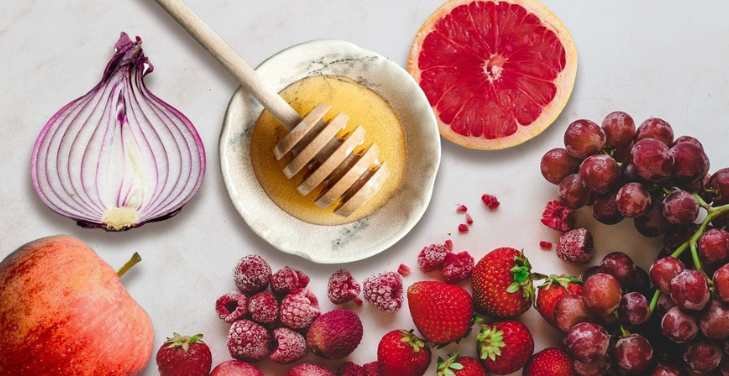
Quercetin is a naturally occurring flavonoid commonly found in plant-based foods and supplements.
What Is Quercetin?
Quercetin is a naturally occurring compound frequently mentioned in modern nutritional science. Interest in quercetin stems from its clear biological role in plants and its widespread presence in the daily human diet. From a nutritional perspective, quercetin is a fundamental group of plant-based compounds, both familiar and rich in research.
Definition in Nutrition Science
Quercetin is a flavonoid, a type of polyphenol, naturally occurring in many plants. In nutrition, quercetin is considered a secondary compound, providing no energy but participating in important biological interactions.
Position Within Flavonoids
In the flavonoid classification system, quercetin belongs to the flavonol subgroup. This position reflects its characteristic chemical structure, with multiple phenolic rings, which contribute to its stability and high biological activity.
Why Quercetin Attracts Scientific Attention
Quercetin attracts scientific attention due to its widespread distribution in foods and its clear measurement and analysis. This makes quercetin an ideal subject in nutritional and functional food research.
Chemical Structure and Classification
In nutritional science and biochemistry, the chemical structure of quercetin underlies its classification and study. Understanding its molecular morphology helps explain why quercetin is stable in plant-based foods and is of interest in modern nutritional analysis.
Molecular Formula and Core Skeleton
Quercetin has the molecular formula C₁₅H₁₀O₇. Its structural framework consists of three tightly linked carbon rings, forming a typical flavonoid framework with high chemical stability.
Polyphenol Classification
Quercetin is classified as a polyphenol due to the presence of numerous hydroxyl groups. These functional groups contribute to its biological reactivity and ability to interact with the cellular environment.
Flavonol Subgroup Characteristics
Within the flavonol subgroup, quercetin exhibits a planar and symmetrical structure. This characteristic supports binding to enzymes and proteins in biological studies.
Structural Stability in Food Matrices
The structure of quercetin maintains stability in many plant-based food matrices. This allows nutritionists to consistently assess quercetin content in diets.
Natural Occurrence in Plants
In nature, quercetin appears as an important endogenous compound in plants. From a nutritional perspective, the plant origin of quercetin explains its widespread presence in plant-derived foods and familiar plant products.
Biosynthesis Pathways in Plants
Quercetin is synthesized via the phenylpropanoid pathway, starting from aromatic amino acids. This process occurs vigorously in leaf, peel, and flower tissues, where plants need polyphenol compounds to maintain biological balance and cellular structure.
Biological Distribution Across Plant Tissues
In plants, quercetin is unevenly distributed, with high concentrations in the epidermis, fruit peel, and protective tissues. This distribution reflects quercetin's physiological role in light absorption, pigment regulation, and support of environmental adaptation. This characteristic makes quercetin a familiar component of plant-based diets.
Common Dietary Sources of Quercetin
In the daily diet, quercetin is naturally found in many plant-based foods. From a nutritionist's perspective, identifying sources of quercetin helps clarify how this compound enters the body through familiar and diverse meals.
Fruits Rich in Quercetin
Many fruits contain significant amounts of quercetin, especially apples, grapes, and berries. Quercetin is often concentrated in the peel, where the plant's biological activity is most active.
Vegetables as Primary Contributors
Vegetables play a crucial role in quercetin intake, with onions, kale, and broccoli being prime examples. These plant tissues accumulate quercetin to support the plant's physiological functions.
Beverages and Plant-Based Products
Some beverages and plant-based products, such as green tea, black tea, and red wine, also provide quercetin. These sources help broaden the range of quercetin intake in a varied diet.
Role of Quercetin in Plant Biology
In plant biology, quercetin plays a central role in maintaining plant function and adaptability. From a nutritional perspective, understanding quercetin's physiological role in plants helps clarify why this compound is widely present in plant-based foods.
Protection Against Ultraviolet Radiation
Quercetin acts as a biological shield, absorbing ultraviolet radiation. This mechanism helps plant tissues maintain cellular structural integrity under strong light.
Response to Environmental Stress
Under conditions of drought, high temperatures, or environmental changes, quercetin helps regulate stress responses. The presence of this compound helps plants stabilize their internal physiological functions.
Defense Mechanisms in Plants
Quercetin contributes to the plant's natural defense system. This compound helps protect plants against biological agents in their environment.
Regulation of Growth and Pigmentation
Quercetin influences tissue development and pigment formation. This role is directly related to the color, vitality, and adaptability of plants.
Absorption and Metabolism in Humans
In the human body, quercetin undergoes a series of ordered biological processes, beginning with absorption and ending with excretion. From a nutritional perspective, these stages determine how quercetin survives and circulates after being ingested from food or supplements.
Intestinal Absorption Process
Quercetin is absorbed primarily in the small intestine as an aglycone or glycoside conjugate. This process is closely related to digestive enzymes and the gut microbiota, facilitating quercetin's entry into the bloodstream.
Metabolic Transformation and Excretion
After absorption, quercetin is metabolized in the liver through bioconjugation reactions. The metabolites continue to circulate in the plasma and are excreted in the urine or bile. This cycle reflects the body's efficient processing of plant-derived flavonoid compounds.
Quercetin Compared With Other Flavonoids
In the flavonoid ecosystem of plant-based foods, quercetin is recognized as a representative with a clear structure and wide distribution. From a nutritional perspective, placing quercetin within the broader context of flavonoids helps clarify the chemical properties and food sources of this group of compounds.
Structural Identity Among Flavonoids
Quercetin possesses a flavonol framework with many hydroxyl groups attached to a phenolic ring. This structure creates a unique identity in biochemical analysis and classification of plant polyphenols.
Dietary Presence Across Flavonoid Types
In the diet, quercetin is found alongside other flavonoids, such as flavones, flavanones, and anthocyanins. Each group is associated with specific foods and plant tissues.
Functional Context in Nutrition Research
Quercetin is often chosen as a reference compound in flavonoid research. This role reflects the high representativeness and the ability to be consistently quantified in modern nutritional science.
Quercetin in Supplements and Fortified Products
In the context of modern nutrition, quercetin has expanded beyond natural foods into supplements and fortified products. The way quercetin is formulated and incorporated into products reflects the need for standardization, stability, and controlled intake in daily consumption.
Supplemental Forms and Standardization
Quercetin in dietary supplements typically comes in powder, capsule, or tablet form. These forms are standardized to ensure consistent serving sizes.
Natural vs. Synthesized Sources
Quercetin used in supplements is derived from plant extracts or synthesized under controlled conditions. Each source reflects a different approach to manufacturing and quality control.
Fortified Foods and Beverages
Some fortified products, such as functional beverages and processed foods, contain added quercetin. This fortification expands the spectrum of quercetin intake in the modern diet.
Labeling and Consumer Awareness
Product labels play a crucial role in providing information about quercetin content. This helps consumers understand the product's origin and intended use.
Side Effects and Tolerance Considerations
In nutritional practice, quercetin is considered not only for its origin and metabolism but also for its tolerability. Evaluating physiological responses helps build a comprehensive understanding of how quercetin interacts with individuals in the context of food and supplement use.
Reported Physiological Responses
Several physiological responses have been observed when quercetin is administered at high concentrations. These manifestations are often related to the digestive system or general sensations, reflecting natural biological responses.
Individual Tolerance Variability
Quercetin tolerance levels vary significantly between individuals. Genetic factors, nutritional status, and gut microbiota contribute to shaping individual responses.
Intake Levels and Duration
The intensity and duration of quercetin use directly affect physiological experience. Regular, long-term intake requires careful monitoring in the context of personalized nutrition.
Discover the potential dangers of quercetin and when supplementation may pose health risks.
Conclusion
Quercetin is a well-established flavonoid with a strong scientific basis and abundant plant sources. From its chemical structure to its distribution in food, quercetin demonstrates consistency and the potential for precise analysis in nutritional science.
In human use, quercetin undergoes orderly processes of absorption, metabolism, and excretion. Tolerance is individualized, reflecting the biodiversity among organisms.
Overall, quercetin holds a significant position in modern nutritional research, being both familiar in dietary regimens and a valuable reference in food science and health.
Frequently Asked Questions (FAQs)
- What is quercetin in nutrition? – Quercetin is a flavonoid and a type of polyphenol naturally found in plants. In nutritional science, it is considered a bioactive compound commonly associated with plant-based diets.
- Where does quercetin come from in the daily diet? – Quercetin is present in fruits, vegetables, tea, and other plant foods. It naturally accumulates in plant skins and protective outer layers.
- How does the body process quercetin after ingestion? – Once consumed, quercetin is absorbed through the intestines, processed by the liver, and transported in the blood as conjugated metabolites, which are later eliminated via urine or bile.
- What is the difference between quercetin in food and in dietary supplements? – In foods, quercetin exists naturally within plant structures. In supplements, it is standardized to ensure consistent dosage, stability, and predictable use.
- Is quercetin tolerance the same for everyone? – Tolerance to quercetin differs between individuals. Digestive health, gut microbiota, metabolic capacity, and dietary patterns all shape how the body responds.
