
Potassium sorbate is a subtle presence in many familiar foods, yet its biological effects on human health remain shrouded in mystery. This ingredient is closely linked to the modern debate of food preservation, safety, and stability.
From a nutritional perspective, potassium sorbate reflects the intersection of food science and physiology. The way the body receives and processes this compound reveals many noteworthy layers of information.
A proper understanding clarifies the true role of potassium sorbate in the daily diet.
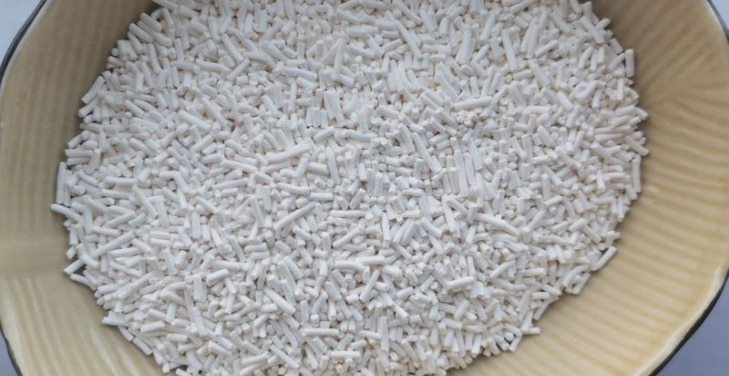
Potassium sorbate is a food preservative that helps extend shelf life safely.
What Is Potassium Sorbate?
Potassium sorbate is a preservative widely used in modern food. From a nutritional perspective, it plays a technical role in maintaining product quality and stability throughout its shelf life.
Chemical Identity and Origin
Potassium sorbate is the potassium salt of sorbic acid, a white, odorless powder that dissolves well in water. This compound is manufactured under strict quality control processes to achieve high purity, suitable for food applications.
Functional Role in Food Systems
In food environments, potassium sorbate inhibits yeast and mold growth. This mechanism helps food retain its structure, flavor, and safety for longer storage periods.
Stability and Compatibility
Potassium sorbate exhibits high stability under various processing conditions. This ingredient is highly compatible with many food formulations, especially those with specific moisture and acid levels.
Why Potassium Sorbate Is Used in Foods
Potassium sorbate is widely used in the food industry due to its effective microbial control and high formula flexibility. From a nutritional and food technology perspective, it is a solution that helps maintain product quality in a stable and controlled manner.
Control of Mold and Yeast Growth
Potassium sorbate strongly inhibits the growth of mold and yeast in food. This mechanism helps limit biological spoilage, maintaining safety and sensory qualities throughout storage.
Shelf-Life Extension Efficiency
Adding potassium sorbate consistently extends shelf life. Foods retain their original texture, color, and flavor for longer, especially in high-moisture products.
Compatibility With Acidic Foods
Potassium sorbate works effectively in acidic environments. This characteristic makes it a popular choice for yogurt, fruit juices, and lightly fermented products.
Cost-Effective Preservation
From a production perspective, potassium sorbate offers high preservation effectiveness at low dosages. This helps businesses maintain product quality and optimize processing costs.
Common Foods and Products Containing Potassium Sorbate
Potassium sorbate is commonly found in many food and everyday consumer product groups. From a nutritional perspective, the presence of this compound reflects the need for safe preservation, quality stability, and a consistent user experience.
Processed and Packaged Foods
Potassium sorbate is widely used in baked goods, cheese, yogurt, sauces, and bottled beverages. This ingredient helps control microorganisms in a high-humidity environment, helping products maintain their structure, flavor, and freshness throughout storage.
Personal Care and Cosmetic Products
In addition to food, potassium sorbate is used in cosmetics and personal care products, including lotions, facial cleansers, and hair care solutions. Its preservative role helps these products maintain stability, limit quality changes, and ensure safety for long-term use.
How Potassium Sorbate Works in the Body
From a nutritional perspective, potassium sorbate is processed by the body through biological mechanisms similar to those for simple organic compounds. This process is smooth and highly adaptable to the human metabolic system.
Absorption in the Digestive Tract
After consumption, potassium sorbate passes through the digestive tract and is rapidly absorbed. This compound dissolves well in the physiological environment, facilitating absorption in the small intestine.
Metabolic Conversion
In the body, potassium sorbate is converted to sorbic acid and continues to participate in energy-metabolism reactions. This process is linked to the body's natural biological cycle, helping it process substances efficiently.
Elimination and Excretion
The metabolic products of potassium sorbate are primarily excreted in the urine. The secretory mechanism occurs regularly, helping to maintain homeostasis and stabilize overall physiological function.
Is Potassium Sorbate Safe to Consume?
From a nutritionist's perspective, potassium sorbate is evaluated based on scientific data, toxicity testing, and actual consumption levels. These results provide a clear foundation for the use of this compound in daily food.
Regulatory Approval and Global Standards
Potassium sorbate is approved for use by international food regulatory agencies. This ingredient meets stringent safety standards, reflecting its suitability for public health when used correctly.
Acceptable Daily Intake Levels
Acceptable daily intake levels of potassium sorbate are established based on long-term evaluation. This limit helps the body process the compound stably and maintain physiological balance.
Safety Profile in Normal Diets
In a normal diet, the amount of potassium sorbate absorbed falls within safe limits. The body absorbs and metabolizes this compound through natural mechanisms, thereby contributing to overall consumer safety.
Potential Side Effects and Sensitivity
From a clinical nutritional perspective, potassium sorbate produces varying biological reactions depending on individual sensitivities. These manifestations are often related to individual sensitivity levels and the specific exposure context in food or consumer products. Discover the potential dangers of potassium sorbate and how it may affect your health.
Sensitivity in Susceptible Individuals
Some sensitive individuals experience mild physiological reactions after consuming potassium sorbate. These reactions typically manifest through the digestive system or as transient discomfort, reflecting the individual's unique response to the food additive.
Contact-Related Responses
In direct contact environments such as cosmetics or personal care products, potassium sorbate can trigger skin reactions in sensitive individuals. These manifestations usually appear at the point of contact and reflect the characteristics of the skin's protective barrier response.
Potassium Sorbate vs. Other Food Preservatives
In the context of nutrition and food technology, potassium sorbate is considered alongside other preservatives to help stabilize food quality and safety. Each group of substances has its own technical characteristics, suitable for specific applications in production.
Preservation Mechanism Profile
Potassium sorbate acts to control yeasts and molds through a clear biological mechanism. Many other preservatives also help regulate microorganisms, creating a multi-layered protection system for processed foods.
Stability in Food Formulations
Potassium sorbate is highly stable in acidic and humid environments. Other preservatives are used flexibly under various processing conditions, helping to maintain product structure and sensory characteristics.
Consumer Acceptance and Application
Potassium sorbate is widely used in food and beverages due to its familiarity with consumers. Other preservatives also contribute to perfecting the formula, meeting technical requirements and market expectations.
Potassium Sorbate and Gut Health Considerations
From a modern nutritional perspective, the link between potassium sorbate and gut health is attracting increasing attention. This topic reflects a trend toward evaluating food additives not only for safety but also for their subtle biological effects in the digestive system.
Interaction With the Gut Environment
Potassium sorbate passes through the digestive system in a dissolved state, directly interacting with the gut environment. This process occurs within a complex context of digestive enzymes, organic acids, and the gut microbiota.
Microbiome Research Focus
Current research focuses on clarifying how potassium sorbate affects microbial balance. Scientific data suggests that this compound participates in the gut ecosystem in a controlled manner, reflecting the body's adaptability.
Digestive Tolerance and Adaptation
The digestive system demonstrates a flexible ability to adapt to potassium sorbate levels from a typical diet. Stable tolerance helps maintain circadian rhythms and overall digestive function.
How to Reduce Exposure in Your Diet
Controlling potassium sorbate intake in your diet involves making conscious food choices. This approach helps consumers be more proactive in building a balanced and stable diet in the long term.
Smart Label Reading Habits
Reading ingredient labels provides a clear view of whether packaged foods contain potassium sorbate. This skill helps consumers identify additives and make decisions that suit their individual needs.
Preference for Fresh and Minimally Processed Foods
Fresh, minimally processed foods generally contain fewer preservatives. Prioritizing this food group contributes to a richer diet and enhances natural nutritional value.
Home Food Preparation Choices
Preparing meals at home allows for proactive control over ingredients. This approach facilitates the development of stable, flexible eating habits that align with long-term health goals.
Conclusion
Potassium sorbate plays a crucial role in modern food preservation systems. This ingredient helps maintain the safety, quality, and stability of many everyday consumer products.
From a nutritional perspective, potassium sorbate is processed by the body through familiar biological mechanisms. Proper use contributes to a sustainable and reliable food supply chain.
A proper understanding helps consumers proactively choose food, build a balanced diet, and develop long-term health goals.
Frequently Asked Questions (FAQs)
- What is potassium sorbate, and what is it used for? – Potassium sorbate is a food preservative that inhibits yeast and mold growth. It helps preserve food safety, flavor, and quality throughout storage.
- How does potassium sorbate affect the body? – Once consumed, potassium sorbate is metabolized through normal biological processes. This stable mechanism supports efficient processing and physiological balance.
- What foods commonly contain potassium sorbate? – This preservative is often present in baked goods, dairy products like cheese and yogurt, bottled juices, and sauces. It is also used in cosmetics and personal care items.
- How is potassium sorbate related to gut health? – Potassium sorbate interacts with the digestive environment and gut microbiota. Research continues to examine its role in digestive stability and microbial adaptation.
- How can potassium sorbate intake be controlled in the diet? – Checking food labels, limiting processed foods, and cooking at home help manage intake. These practices promote a balanced and health-conscious diet.
