
Digestive health, immunity, and physiological balance are becoming prominent concerns in modern lifestyles. Diets that place significant metabolic stress on the body require nutritional solutions derived from natural sources and supported by scientific research.
Licorice has attracted attention for its diverse bioactive compounds, which directly affect core physiological mechanisms. Understanding the components of licorice helps guide the proactive and scientifically based use of this herb.
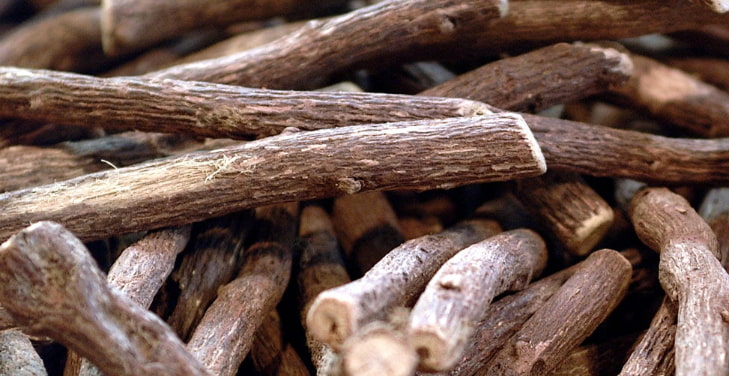
Licorice contains bioactive compounds that naturally support digestion, immunity, and overall wellness.
What Is Licorice?
Licorice is an ancient medicinal herb, highly valued in nutrition and natural medicine for its rich array of active ingredients. In nutritional science, licorice is considered a source of bioactive compounds with multifaceted effects on the digestive, immune, and endocrine systems.
Licorice as a Medicinal Herb
Licorice comes from the root of Glycyrrhiza glabra, a herbaceous plant widely used in traditional Asian and European medicine. Licorice root has a naturally sweet taste, is rich in bioactive compounds, and is considered the most nutritious part.
Natural Composition of Licorice Root
The main components of licorice include glycyrrhizin, flavonoids, saponins, and many polyphenol compounds. These substances help regulate inflammation, support the digestive mucosa, and promote a stable immune response.
Licorice in Nutrition Science
In modern nutrition, licorice is classified as a functional herb. Studies have documented licorice's role in supporting digestion, protecting cells, and maintaining physiological balance when used appropriately.
The Botanical Source of Licorice
Licorice originates from plants of the genus Glycyrrhiza, which have been extensively studied in botany and nutrition due to their rich root structure. The plant's origin directly determines the biological composition and health benefits of licorice.
Primary Licorice Species
The most commonly used species is Glycyrrhiza glabra, notable for its long, fibrous roots and high glycyrrhizin content. Additionally, Glycyrrhiza uralensis and Glycyrrhiza inflata are also recognized in traditional medicine systems.
Geographical Growing Regions
Licorice thrives in the Mediterranean, Central Asia, and East Asia. Dry climates, deep soil, and mineral-rich conditions promote the accumulation of bioactive compounds in the roots.
Botanical Characteristics
Licorice plants are perennial herbaceous plants with a strong, horizontally spreading root system. This root structure provides optimal conditions for the synthesis of flavonoids and saponins.
Traditional Botanical Use
Historically, licorice root was harvested, dried, and used as a medicinal base. Traditional botanical knowledge laid the foundation for its modern nutritional applications.
Active Compounds in Licorice
The nutritional and biological value of licorice comes from the diverse system of active compounds accumulated primarily in the roots. These compounds interact through various biochemical mechanisms, producing a broad spectrum of effects on the body's digestive, immune, and inflammatory responses.
Glycyrrhizin and Saponins
Glycyrrhizin is the main compound, belonging to the triterpenoid saponin group, giving licorice its characteristic sweetness. This active ingredient participates in regulating inflammatory responses, supporting gastric mucosal protection, and promoting immune balance. The accompanying saponins help increase the solubility and absorption of other bioactive compounds.
Flavonoids and Polyphenols
Licorice contains many flavonoids, such as liquiritin and isoliquiritigenin, as well as antioxidant polyphenols. This group of compounds helps neutralize free radicals, support cellular health, and maintain stable physiological functions. The combination of flavonoids and glycyrrhizin forms the scientific basis for the modern nutritional applications of licorice.
How Licorice Compounds Affect the Body
The compounds in licorice affect the body through several closely linked biological mechanisms. In nutritional science, licorice is considered an herb that can regulate physiological functions due to its simultaneous influence on the digestive, immune, and inflammatory systems.
Digestive Mucosal Support
Glycyrrhizin and flavonoids stimulate the production of mucus that protects the gastric mucosa. This mechanism helps maintain a stable digestive environment, supports nutrient absorption, and enhances tissue repair.
Anti-inflammatory Pathways
The polyphenols in licorice help regulate inflammatory signaling at the cellular level. This interaction promotes a balanced immune response and helps reduce endogenous oxidative stress.
Immune and Endocrine Modulation
Licorice influences the immune-endocrine axis through the biological activity of saponins. This process helps maintain physiological adaptive responses, supporting the body against environmental factors and metabolic stress.
Different Forms of Licorice
Licorice is used in nutrition and medicine in many forms, each with its own biological properties and specific uses. This diversity reflects the standardization of herbal medicine toward scientific, convenient use for modern consumers.
Whole Licorice Root
Whole licorice root is usually dried and sliced. This form retains the full spectrum of natural compounds, suitable for decoction or traditional processing to support digestion and respiration.
Powdered and Extracted Forms
Powdered and concentrated licorice extracts allow for better control of active ingredient content. These forms are commonly used in functional foods due to their high solubility and stable absorption.
DGL and Functional Supplements
DGL (deglycyrrhizinated licorice) is a form from which glycyrrhizin has been removed, focusing on supporting the gastric mucosa. Licorice-based supplements have high applicability in clinical nutrition and daily healthcare.
Licorice Candy vs. Medicinal Licorice
Licorice appears in two completely different contexts: as a recreational food and as an herbal nutritional supplement. The difference in intended use leads to significant differences in composition, biological value, and physiological effects.
Composition and Ingredient Profile
Licorice candy is made from sugar, glucose syrup, flavoring, and a small amount of licorice extract for taste. Medicinal licorice focuses on standardized licorice root, rich in glycyrrhizin, flavonoids, and saponins, serving health purposes.
Functional Nutritional Value
Medicinal licorice contains a stable amount of active compounds, supporting digestion and immune regulation. Licorice candy provides quick energy and a pleasant taste experience.
Intended Use and Health Context
Medicinal licorice is intended for targeted healthcare regimens. Licorice candy is suitable for recreational consumption and taste, not for in-depth biological applications.
How Processing Affects Licorice Composition
Processing plays a central role in shaping the biological composition of licorice. From a nutritional and scientific perspective, each processing step directly impacts the concentration, stability, and activation of natural compounds in the root.
Drying and Initial Preparation
The drying stage concentrates glycyrrhizin, flavonoids, and saponins in licorice root. This process stabilizes the chemical structure, extends shelf life, and maintains biological value for subsequent applications.
Extraction Techniques
Extraction with water or biological solvents enables the selective separation of target active compounds. Modern extraction techniques help control glycyrrhizin content while increasing the solubility and bioavailability of polyphenols.
Refinement and Standardization
The refining and standardization stages create a licorice product with a consistent composition. This process supports clinical and functional food applications and enhances the reliability of long-term nutritional use.
Quality Indicators of Licorice Products
The quality of licorice products directly determines their nutritional efficacy and safety. In nutritional science, the evaluation of licorice is based on several clear criteria, ranging from its botanical origin to the standardization of its active ingredients.
Botanical Authenticity
High-quality licorice products always clearly state their origin from the Glycyrrhiza root. Transparent botanical information ensures the biological composition aligns with health goals.
Standardized Active Compounds
Standardized glycyrrhizin and flavonoid content reflect the level of quality control. This criterion helps maintain consistent biological efficacy across production batches.
Processing and Purity Markers
A clean extraction process that minimizes impurities and residual solvents reflects the true nutritional value of licorice. High purity supports optimal absorption.
Certification and Label Transparency
Quality certifications and clear labeling reinforce product credibility. Complete information helps users choose licorice that suits their individual nutritional needs.
Health Applications of Licorice Compounds
The compounds in licorice are widely used in nutrition due to their ability to simultaneously affect multiple physiological systems. From a scientific perspective, licorice is a functional herb that supports the body in maintaining biological balance.
Digestive Health Support
Glycyrrhizin and flavonoids promote the protection of the gastrointestinal mucosa, support tissue healing, and optimize nutrient absorption. This mechanism helps the digestive system function stably under normal physiological conditions.
Respiratory and Immune Function
Saponin and polyphenol compounds help soothe the respiratory tract and help regulate the immune response. This combination helps the body adapt effectively to environmental factors.
Adrenal and Metabolic Balance
Licorice is studied for its potential to support the endocrine-metabolic axis. Bioactive substances contribute to maintaining adaptive responses and physiological energy.
Conclusion
Licorice represents the intersection of botany, nutrition, and applied science. The richly active compounds in licorice root support many beneficial biological mechanisms, particularly those related to digestion, immunity, and physiological balance.
Understanding the botanical origin, active compounds, and forms of use helps optimize licorice's nutritional value. When selected for quality and applied appropriately, licorice becomes a valuable functional herb with long-term benefits in proactive health care.
Frequently Asked Questions (FAQs)
- What is licorice made of? – Licorice comes from the root of the Glycyrrhiza plant and contains glycyrrhizin, flavonoids, saponins, and polyphenols. These compounds form the biological foundation behind its nutritional value and health-supporting properties.
- Is licorice just licorice candy? – No. In nutrition, licorice refers to a medicinal root with standardized active ingredients. Licorice candy mainly uses flavor extracts, sugar, and additives, offering taste rather than physiological support.
- Which compound is most important in licorice? – Glycyrrhizin is the primary active compound due to its strong biological effects. Flavonoids and polyphenols contribute antioxidant support, while saponins help regulate absorption and overall physiological responses.
- In what forms is licorice commonly used? – Licorice is available as dried root, powder, extract, herbal tea, and dietary supplements. Each form is designed to meet different convenience needs and nutritional objectives.
- Who should be concerned about licorice quality? – Anyone using licorice for health purposes should consider its source, active compound content, and level of standardization. High-quality products ensure consistent biological effects and long-term stability.
