
Milk thistle has garnered significant attention in nutrition due to its association with liver health and metabolism. This herb boasts a long history of use and a growing body of research.
What happens inside the body when milk thistle is regularly supplemented daily? This question opens the door to deeper insights into how the herb affects cells, enzymes, and the overall biological balance.
Exploring the role of milk thistle helps readers better understand its potential for proactive and sustainable health support.
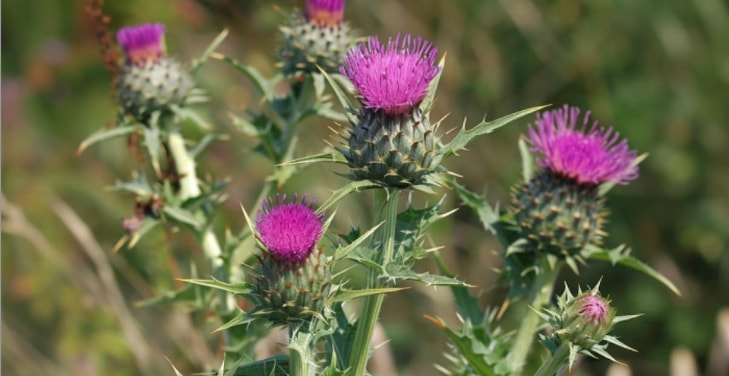
Milk thistle supports liver function through antioxidants and research-backed compounds for overall wellness.
What Is Milk Thistle?
Milk thistle is an ancient herb associated with liver health and metabolism. With its distinctive purple flowers, it is commonly found in traditional European and Mediterranean medicine. In modern nutrition, milk thistle is considered a valuable source of bioactive compounds that support liver function and maintain homeostasis.
Origin and Traditional Use
Milk thistle, scientifically known as Silybum marianum, has been used since ancient Greece. This herb is associated with folk remedies to support the liver, gallbladder, and digestive system. Its centuries-long tradition of use forms the basis of today's nutritional research.
Active Compound: Silymarin
Silymarin is a valuable flavonolignan complex, primarily concentrated in the seeds. This active ingredient promotes liver cell protection, enhances antioxidant activity, and supports tissue regeneration.
Common Supplement Forms
Milk thistle is commonly available in capsule, standardized extract, or ground seed powder form. These forms optimize silymarin content and support efficient absorption in daily health care regimens.
What Does Milk Thistle Do for the Liver?
Milk thistle plays a central role in nourishing and maintaining liver health. The bioactive compounds in this herb directly affect liver cells, supporting stable liver function under the stresses of environmental factors, nutrition, and a modern lifestyle. The liver receives comprehensive support through widely studied biological mechanisms.
Liver Cell Protection
Milk thistle promotes the liver cell barrier by strengthening the cell membrane structure. Silymarin increases resistance to oxidative agents and supports the regeneration of healthy liver cells. This process helps maintain efficient blood filtration and metabolism.
Antioxidant and Detox Support
Milk thistle activates the liver's endogenous antioxidant system, thereby helping to neutralize free radicals. The liver improves its ability to process toxins, promotes enzyme balance, and supports stable bile flow. This mechanism helps the liver maintain a stable circadian rhythm and optimal metabolic efficiency.
Digestive and Metabolic Effects
Milk thistle's effects extend beyond the liver, significantly impacting the digestive system and metabolism. The bioactive compounds in this herb support harmonious coordination among the liver, gallbladder, and intestines, thereby laying a foundation for efficient nutrient absorption and maintaining daily energy balance.
Bile Production Support
This herb stimulates stable bile secretion, contributing to improved digestion of fats and fat-soluble vitamins. Efficient bile flow helps the intestines function smoothly, reducing bloating and improving food processing. The digestive system thus operates more efficiently and consistently.
Gut–Liver and Metabolic Balance
Milk thistle promotes the gut-liver axis by supporting enzyme and lipid metabolism. This process helps regulate blood sugar, optimize energy use, and maintain a stable metabolic rate. The body achieves sustainable biological balance, supporting long-term health.
Antioxidant and Anti-Inflammatory Actions
Milk thistle demonstrates a remarkable ability to protect cells from daily biological stresses. The bioactive compounds in this herb promote antioxidant mechanisms and regulate inflammatory responses, thereby supporting homeostasis and enhancing overall health.
Free Radical Defense
Milk thistle enhances free radical neutralization via silymarin. This process protects cell membrane lipids, proteins, and DNA from oxidative damage.
Cellular Protection Pathways
Milk thistle activates cellular protective pathways involving endogenous antioxidant enzymes. Cells maintain a stable structure and biological function.
Inflammatory Response Modulation
Milk thistle supports the regulation of inflammatory mediators, contributing to the maintenance of a harmonious tissue environment. Inflammatory responses are controlled at optimal physiological levels.
Systemic Wellness Impact
Milk thistle has a positive effect on cardiovascular health, metabolism, and skin. The body achieves long-term functional balance and flexible biological adaptability.
Potential Benefits Beyond Liver Health
Milk thistle offers nutritional benefits beyond liver support. The bioactive compounds in this herb have multifaceted effects on metabolism, skin, and the cardiovascular system. The body benefits from comprehensive physiological regulation, contributing to improved overall health over time.
Blood Sugar Regulation
Milk thistle supports blood sugar balance by positively influencing insulin sensitivity and glucose metabolism. This process helps the body use energy efficiently and maintain stable blood sugar levels in daily life.
Skin and Healthy Aging Support
Milk thistle helps protect skin cells against oxidative stress. Its anti-inflammatory and antioxidant activities support skin elasticity, maintain a radiant appearance, and promote harmonious biological aging.
Heart Health Relevance
Milk thistle supports lipid balance and vascular function. This effect facilitates stable circulation, supporting the heart's rhythmic, sustained function.
How to Take Milk Thistle
Milk thistle is most effective when used correctly and at the appropriate dosage. Choosing the right method of use helps the body absorb the bioactive compounds well, while supporting the liver and metabolism to function smoothly in daily life.
Typical Dosage and Form Selection
Milk thistle is usually used as a standardized extract containing silymarin. Common dosages range from 140–300 mg per day, divided into multiple doses. Capsule or tablet forms offer convenience and dosage accuracy, suitable for long-term use.
Absorption and Usage Considerations
Milk thistle is absorbed effectively when taken with meals containing healthy fats. Regular use helps maintain stable levels of the active ingredient in the body. This combination helps optimize bioactive benefits and support overall health.
Safety, Side Effects, and Interactions
Milk thistle is highly regarded for its safety in nutritional health care. This herb is suitable for a wide range of users and is generally well tolerated when used at the correct dosage. Understanding its safety aspects allows users to be more proactive in long-term supplementation.
General Safety Profile
Milk thistle exhibits a positive safety profile in nutritional studies. Regular use at the recommended dose supports liver function and metabolism in a stable manner.
Possible Mild Side Effects
Some people may experience mild bloating or transient digestive changes. These symptoms are usually short-lived as the body adapts to the herb.
Medication Interactions Awareness
Milk thistle may affect liver enzymes involved in drug metabolism. This interaction warrants monitoring when combined with prescription medications.
Populations Requiring Extra Attention
Pregnant women, individuals undergoing medical treatment, and individuals with specific health conditions should consult a healthcare professional. This approach helps ensure appropriate use and long-term peace of mind.
Who May Benefit Most From Milk Thistle
Milk thistle offers significant value to groups seeking liver support and metabolic balance. Identifying the right target audience optimizes biological benefits and enhances long-term effectiveness in health care.
Liver Stress Populations
This herb is particularly suitable for individuals frequently exposed to alcohol, polluted environments, or high-fat diets. The active ingredient, silymarin, helps protect liver cells and maintain normal filtration function.
Lifestyle-Related Health Needs
Milk thistle effectively addresses the needs of individuals with busy, sedentary lifestyles or high levels of mental stress. This herb supports metabolic stability and sustained energy levels.
Long-Term Wellness Goals
Milk thistle is suitable for individuals aiming for proactive health care. Regular supplementation supports homeostasis, increases biological adaptability, and maintains stable health over time.
Conclusion
Milk thistle affirms its role as a valuable herb in modern nutrition. The active ingredient silymarin supports the liver, promotes antioxidant activity, and contributes to overall metabolic balance.
Proper use of milk thistle helps maintain stable physiological function and enhances adaptability to the stresses of lifestyle. This herb aligns with a proactive and sustainable approach to health care.
For a deeper understanding of gender-specific effects, explore milk thistle benefits for women.
Frequently Asked Questions (FAQs)
- What does milk thistle do? – Milk thistle supports the liver through antioxidant and enzyme-regulating activity. The active compound silymarin helps protect liver cells, support detoxification, and maintain stable physiological function.
- How long does milk thistle take to show effects? – Most people notice benefits after a few weeks of regular use. This reflects the gradual buildup of silymarin, which supports liver adaptation, metabolism, and biological balance.
- Can milk thistle be taken daily? – Yes. Milk thistle is suitable for daily use at recommended doses. Consistent intake helps maintain steady levels of active compounds, supporting liver health, digestion, and antioxidant defenses.
- Is milk thistle safe for long-term use? – Milk thistle has a positive safety profile and is generally well tolerated long term. Using quality supplements and following appropriate dosages supports sustained liver and metabolic health.
- Who benefits most from milk thistle? – Individuals under liver stress from lifestyle, nutrition, or environmental factors may benefit most. It is also useful for those pursuing proactive health strategies and long-term metabolic support.
