
How does the body react to receiving a bioactive green compound? Many internal mechanisms begin to activate, from cells to the circulatory system, creating noticeable changes.
Chlorophyll appears as a comprehensive support factor, promoting detoxification, enhancing antioxidant activity, and improving metabolic efficiency. The presence of this compound opens up a natural approach to nutrition, helping the body function effectively and maintain long-term balance.
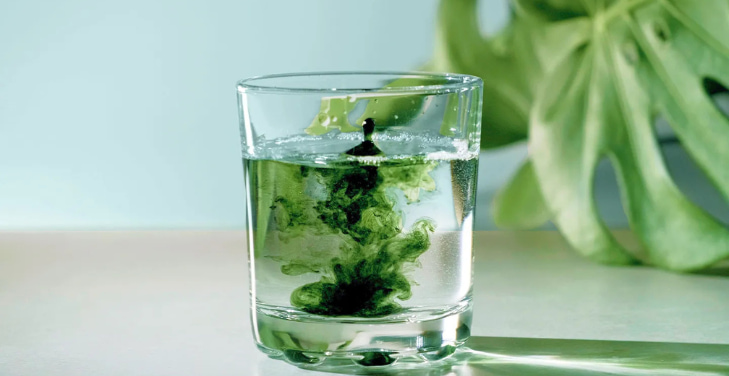
Liquid chlorophyll supplement showing its role in detox, skin, and internal health support
What Is Chlorophyll and How Does It Work in the Body
Chlorophyll, which occurs naturally in dark green vegetables, has quickly gained attention for its ability to support overall health. This compound has a unique structure and participates in many important biological processes in the body.
Chlorophyll Structure and Bioactivity
Chlorophyll contains a porphyrin ring with a magnesium ion at its center, giving it strong interaction capabilities with cells. Upon entering the body, chlorophyll exhibits significant biological activity, promoting homeostasis and enhancing physiological stability.
Absorption and Circulation in the Body
The body absorbs chlorophyll through the digestive tract, then distributes it via the bloodstream to various tissues. This process activates a chain of biological reactions involving oxidation and energy, helping cells function more efficiently.
Cellular Protection and Antioxidant Action
Chlorophyll helps neutralize free radicals, thereby protecting cell structures and reducing oxidative stress. This activity helps maintain organ function and promote natural regeneration processes in the body.
Nutritional Profile of Chlorophyll
Few people realize that the value of chlorophyll extends far beyond the familiar green color of leafy vegetables. This component provides a sophisticated system of nutrients that supports the body's nourishment at the cellular and metabolic levels.
Key Micronutrients and Bioactive Compounds
Chlorophyll provides magnesium in an easily absorbable biological form, while also carrying highly active phytonutrient compounds. These components stimulate endogenous enzymes, support energy metabolism, and enhance biological balance.
Antioxidant Density and Cellular Support
The antioxidant content in chlorophyll creates a strong protective layer for cells. These molecules are constantly active, helping to stabilize cell structure and maintain the performance of internal organ systems.
Natural vs. Supplemental Forms
Chlorophyll from fresh foods retains its original structure, whereas supplemental forms, such as chlorophyllin, are modified to increase stability. Each form provides unique value, contributing to nutritional needs and overall health care goals.
Supports Natural Detoxification Processes
The body operates a sophisticated detoxification system in which the liver, intestines, and blood work in harmony to maintain a clean, stable state. Chlorophyll directly participates in this process, creating a noticeable effect at multiple biological levels.
Toxin Binding and Elimination
Chlorophyll binds to certain toxic compounds in the digestive tract, thereby supporting their elimination through feces. This mechanism reduces the metabolic burden and promotes a healthier internal environment.
Liver Function Enhancement
The liver plays a central role in detoxification, and chlorophyll activates enzymes involved in this process. This activity enhances waste processing efficiency and strengthens the ability to metabolize foreign compounds.
Gut Cleansing and Microbial Balance
Chlorophyll helps improve the gut environment by supporting microbiome balance. This process facilitates digestion and helps the digestive system function more smoothly and stably.
Promotes Healthy Skin and Complexion
The skin directly reflects the body's internal state, from metabolism to microbial balance. Chlorophyll affects many biological mechanisms related to the skin, from cell protection to support for tissue regeneration.
Antioxidant Defense and Skin Protection
Chlorophyll neutralizes free radicals, thereby reducing oxidative stress on skin cells. This mechanism helps maintain collagen structure, keeping the skin firm and vibrant.
Anti-Inflammatory Skin Support
Chlorophyll regulates inflammatory responses in the body, creating conditions for stable and healthy skin. This activity helps improve the condition of sensitive skin and promotes natural recovery.
Detox-Driven Skin Clarity
Internal detoxification reduces toxin buildup, thereby improving skin clarity and tone. Chlorophyll supports this process, resulting in brighter and more even-toned skin.
Helps Boost Red Blood Cell Function
Efficient blood flow provides the foundation for daily energy, focus, and endurance. When red blood cells function optimally, the body maintains a stable physiological state and responds quickly to metabolic needs.
Porphyrin Structure and Blood Support
The porphyrin structure in chlorophyll is compatible with the biological environment of blood. This characteristic promotes the formation of healthy blood cells and maintains balance in the circulatory system.
Enhanced Oxygen Delivery
Oxygen transport capacity is improved when the blood environment reaches a stable state. Chlorophyll enhances this efficiency, helping cells receive enough oxygen to continuously produce energy.
Circulatory Efficiency and Vitality
Smooth circulation helps distribute nutrients evenly to all tissues. Chlorophyll supports this process, thereby enhancing the body's vitality, endurance, and adaptability during daily activities.
May Support Gut Health and Digestion
The digestive system functions as a central hub coordinating nutrition and immunity, where billions of microorganisms participate in the processing of food. The balance in this environment has a profound impact on overall health.
Microbiome Balance and Stability
Chlorophyll promotes the growth of beneficial gut bacteria, creating a stable, diverse microbiome. This environment supports efficient digestion and maintains long-term biological balance.
Digestive Efficiency and Nutrient Breakdown
The breakdown of food occurs more smoothly when enzymes function optimally. Chlorophyll contributes to this efficiency, helping the body absorb nutrients quickly and evenly.
Internal Cleansing and Gut Environment
Chlorophyll supports gut cleansing by improving the internal environment. This change helps the digestive system function smoothly and maintain a feeling of lightness and stability after each meal.
Contributes to Immune System Support
The immune system acts as a sophisticated defense network, constantly identifying and processing invading elements. When this mechanism operates smoothly, the body maintains a stable state and adapts quickly to the environment.
Antioxidant Defense Activation
Chlorophyll activates antioxidant reactions, helping immune cells function more effectively. This activity enhances the ability to protect and maintain cell structure under biological stress.
Immune Cell Function Enhancement
Immune cells function strongly when the internal environment is balanced. Chlorophyll supports this process, thereby promoting a rapid and accurate response to external agents.
Potential Role in Weight Management
Weight is directly influenced by metabolism, satiety, and how the body processes energy each day. When these mechanisms function smoothly, the body maintains a stable state and controls fat accumulation more effectively.
Appetite Regulation and Satiety Signals
Hormones and the enteric nervous system regulate satiety signals. Chlorophyll contributes to stabilizing these signals, helping to control portion sizes and maintain a longer feeling of fullness after meals.
Metabolic Activity and Energy Utilization
Chlorophyll promotes enzyme activity related to energy metabolism. This process helps the body use calories more efficiently and maintain a stable rate of energy expenditure.
Fat Storage Modulation
Many endocrine factors influence fat storage. Chlorophyll helps regulate the metabolic environment, thereby affecting how the body allocates and stores energy in adipose tissue.
Chlorophyll and Body Odor Control
Body odor directly reflects the body's metabolic processes and microbial state. When the digestive and circulatory systems work in harmony, the body maintains a more pleasant and stable natural odor over time.
Internal Deodorizing Mechanism
Chlorophyll participates in neutralizing odor-causing compounds produced in the body. This activity helps reduce the accumulation of odor-causing substances and improves the internal biological environment.
Gut-Origin Odor Reduction
Many unpleasant odors originate from the gut and the breakdown of food. Chlorophyll supports the balance of the microbiome, thereby reducing odor-causing byproducts and improving digestion.
Bloodstream Purification and Freshness
Clean blood plays a crucial role in maintaining stable body odor. Chlorophyll supports this process, helping the body maintain a fresh, pleasant feeling throughout the day.
Best Ways to Add Chlorophyll to Your Routine
Daily habits determine the absorption and bioavailability of nutrients. When properly integrated, chlorophyll plays a significant and sustainable role in supporting health over time.
Whole Food Sources and Daily Intake
Dark green vegetables such as spinach, kale, and cilantro provide chlorophyll in its naturally occurring, highly active form. Including these foods in your diet helps your body absorb nutrients, including essential vitamins and minerals.
Liquid Chlorophyll Supplementation
Liquid chlorophyll offers convenience and rapid absorption. Users can easily mix it with water and consume it in the morning, supporting detoxification and activating metabolism.
Timing and Consistency Strategy
Maintaining consistent daily use creates a noticeable cumulative effect. Chlorophyll is most effective when combined with a balanced diet and a stable lifestyle.
Conclusion
Chlorophyll offers a wide range of biological effects, from supporting detoxification and nourishing the skin to optimizing blood and digestive function. The body responds positively when regularly supplied with this green nutrient.
Integrating chlorophyll into your diet strengthens your health foundation and maintains internal balance. Consistent and appropriate use creates lasting benefits, contributing to an improved quality of life every day.
Frequently Asked Questions (FAQs)
- What does chlorophyll do for the body? – Chlorophyll supports detoxification, enhances antioxidant activity, and promotes cellular function, contributing to energy, circulation, and overall daily health.
- Can chlorophyll improve skin health? – Chlorophyll supports skin protection through antioxidant activity, helping maintain elasticity, support repair, and promote a brighter, more even skin tone.
- Does chlorophyll help with detoxification? – Chlorophyll binds unwanted compounds and supports their elimination, promoting effective liver and digestive function and a cleaner internal environment.
- Is liquid chlorophyll effective? – Liquid chlorophyll supports faster absorption and convenient daily use, helping maintain consistent levels that support metabolism and energy processes.
- How often should you take chlorophyll? – Daily use helps maintain stable chlorophyll levels, supporting consistent physiological function and long-term health benefits.
