
Vitamin E stands out as a central nutrient in the context of modern health, which is increasingly exposed to oxidative stress. Stressful lifestyles, environmental pollution, and unbalanced diets increase cellular damage at the microscopic level.
Decreased immune function, premature skin aging, and cardiovascular disorders clearly reflect the role of essential antioxidants. Vitamin E is directly involved in protecting cell membranes and maintaining biological homeostasis.
A clear understanding of vitamin E helps build a proactive nutritional strategy, supporting the body's ability to adapt and maintain sustainable health in the context of preventive medicine today.
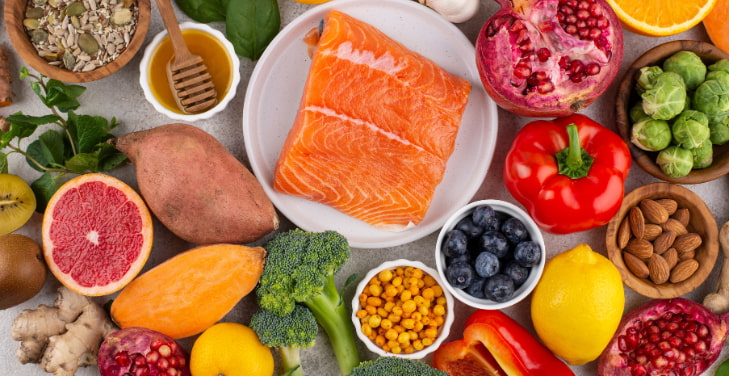
Vitamin E is a key antioxidant that supports cell function, immune health, skin health, and overall health.
What Is Vitamin E?
Vitamin E plays a central role in the body's biological defense system. It acts as an antioxidant shield, providing the foundation for cellular health and core metabolic processes.
Definition
Vitamin E is a group of fat-soluble compounds including tocopherols and tocotrienols. The body uses alpha-tocopherol as its biologically active form, which helps stabilize cell membranes and strengthen lipid structures.
Biological Functions
This compound neutralizes free radicals in the intracellular environment. This mechanism supports enzyme activity, stabilizes immune signaling, and protects vascular cells. Vitamin E participates in the regulation of inflammatory responses by modulating regulatory molecules, such as prostaglandins and cytokines.
Physiological Importance
Vitamin E contributes to skin health, supports nerve function, and creates a favorable environment for the activity of the endocrine system. Steady vitamin E reserves help the body maintain an optimal physiological state.
How Vitamin E Works in the Body
Vitamin E has a profound effect on cellular physiology at the molecular level. Once absorbed through the digestive system along with lipids, this compound quickly participates in protective processes and coordinates vital functions.
Absorption and Transport
Vitamin E is absorbed in the small intestine via micelles and chylomicrons. The liver receives and distributes alpha-tocopherol into the circulation via alpha-tocopherol transfer protein, ensuring stable concentrations in plasma and peripheral tissues.
Antioxidant Mechanism
This compound prevents lipid peroxidation in cell membranes. Vitamin E donates electrons to stabilize free radicals, preserves phospholipids, and maintains the integrity of mitochondria and the endoplasmic reticulum.
Cellular Regulation
Vitamin E regulates the expression of genes involved in immunity and inflammation. This process supports cell signaling, improves immune response, and optimizes vascular function.
Health Benefits of Vitamin E
Vitamin E exerts a multi-layered biological effect, extending from the cellular level to the entire organ system. It promotes a stable physiological state and supports long-term health through multiple simultaneous mechanisms.
Antioxidant Protection
Vitamin E neutralizes free radicals in the lipid environment. This mechanism protects cell membranes, limits oxidative stress, and maintains the structure of phospholipids, membrane proteins, and DNA.
Immune Support
This compound enhances the activity of T lymphocytes and macrophages. Vitamin E promotes immune signaling, supports physiological inflammatory responses, and improves the adaptive capacity of the immune system.
Cardiovascular Health
Vitamin E supports vascular endothelial function and improves vascular elasticity. It helps maintain stable blood flow and optimize peripheral circulation.
Skin and Cellular Aging
Vitamin E strengthens the skin barrier, promotes tissue regeneration, and supports slow and sustainable biological aging.
Dietary Sources of Vitamin E
Vitamin E is naturally present in many whole food groups, especially rich sources of plant lipids. Choosing a variety of sources helps maintain stable physiological concentrations and supports optimal absorption.
Plant Oils and Fats
Vegetable oils such as sunflower, wheat germ, and olive oils provide high levels of alpha-tocopherol. The fats in oils facilitate the solubility and intestinal transport of vitamin E.
Nuts and Seeds
Almonds, sunflower seeds, and hazelnuts contain significant concentrations of vitamin E. This food group also provides unsaturated fatty acids, which support cardiovascular health and the structure of cell membranes.
Vegetables and Fruits
Green leafy vegetables such as spinach and broccoli, and fruits such as avocados, provide bioavailable vitamin E. The accompanying plant compounds enhance antioxidant activity in tissues.
Fortified Foods
Cereal and fortified products provide vitamin E in a controlled form, supporting daily nutritional needs.
Recommended Daily Intake
The daily requirement for vitamin E reflects the level of antioxidant utilization in routine physiological processes. Adequate intake helps maintain lipid metabolism balance and protect cell structures.
Standard Requirements
Nutritional recommendations set the vitamin E requirement for adults at approximately 15 mg of alpha-tocopherol per day. This level adequately supports immune, neurological, and cardiovascular function.
Age and Physiological Status
Vitamin E requirements vary with developmental stage. Pregnant and lactating women require higher amounts to support tissue development and antioxidant protection for both mother and fetus.
Dietary vs Supplemental Intake
Vitamin E from foods is highly bioavailable and readily incorporated into lipid metabolism. Supplementation in tablet form provides controlled, appropriate doses in situations of increased need.
Upper Intake Awareness
Tolerance limits are established to maintain biological safety and homeostasis.
Vitamin E Deficiency: Causes and Symptoms
Vitamin E deficiency directly affects cell membrane integrity and neurological function. This condition reflects lipid malabsorption or increased antioxidant needs in the body.
Underlying Causes
Vitamin E deficiency is often associated with fat malabsorption disorders such as cholestasis, cystic fibrosis, or enteropathy. Lipoprotein metabolism disorders impair the transport of alpha-tocopherol in the circulation. Premature infants have low vitamin E stores due to a short accumulation period.
Neurological Manifestations
Vitamin E is closely related to neurotransmission. Deficiency reduces impulse conduction, leading to muscle weakness, impaired motor coordination, and decreased peripheral reflexes.
Hematologic and Immune Effects
Erythrocytes depend on vitamin E to maintain membrane stability. Deficiency increases erythrocyte oxidative stress and affects cellular immune responses.
Clinical Recognition
Clinical assessment combined with alpha-tocopherol concentration testing helps to accurately determine deficiency.
Vitamin E Supplements: When Are They Needed?
Vitamin E supplements play a supportive role when the body needs increased antioxidant protection beyond normal intake. Supplementation is medically oriented and linked to specific physiological needs.
Clinical Indications
Vitamin E supplementation is used in people with lipid malabsorption, chronic liver and biliary disease, or lipoprotein metabolism abnormalities. These conditions reduce plasma alpha-tocopherol concentrations and directly affect cell function.
High Oxidative Stress States
The body experiences high oxidative stress during aging, chronic inflammation, or intense physical activity. Supplemental vitamin E helps increase the body's ability to neutralize free radicals and stabilize the intracellular environment.
Formulation and Bioavailability
Vitamin E supplements exist in the form of natural d-alpha-tocopherol and synthetic dl-alpha-tocopherol. Oil- or softgel-formulated products improve bioavailability through lipid absorption.
Medical Guidance
Using vitamin E supplements under professional supervision helps maintain biological balance and optimize long-term health benefits.
How to Incorporate Vitamin E into Your Diet
Including vitamin E in your daily diet provides a sustainable foundation for oxidative balance and cellular health. This approach fully exploits the natural bioavailability of vitamin E in whole foods.
Food Pairing Strategy
Vitamin E is absorbed most effectively when used with lipids. Pairing green leafy vegetables with olive or avocado oil increases alpha-tocopherol solubility and improves transport through the small intestine.
Daily Meal Integration
A balanced diet of seeds, nuts, and whole grains provides a steady supply of vitamin E. Almonds and sunflower seeds are easy to incorporate into breakfast or snacks, helping to maintain stable plasma concentrations.
Cooking and Storage
Vitamin E is sensitive to heat and light. Using low-heat cooking methods and storing oils in dark bottles helps preserve bioactivity.
Dietary Consistency
Distributing vitamin E across multiple meals promotes continuous absorption and supports long-term physiological effects.
Side Effects and Interactions
Vitamin E directly affects the coagulation system and oxidative balance when used at high doses or for long periods. Understanding the biological response helps optimize efficacy and ensure clinical safety.
Physiological Side Effects
High doses of vitamin E increase anticoagulant activity by inhibiting platelet aggregation. Fatigue, mild nausea, and changes in gastrointestinal function may occur due to effects on lipid metabolism.
Drug Interactions
Vitamin E interacts with anticoagulants such as warfarin by affecting vitamin K-dependent coagulation factors. It also affects the efficacy of lipid-lowering drugs and combination antioxidant therapy.
Nutrient Interactions
Vitamin E works synergistically with vitamin C and selenium in the antioxidant network. Nutrient balance promotes alpha-tocopherol regeneration and maintains homeostasis.
Clinical Monitoring
Dosage monitoring and periodic biochemical assessments help assess physiological effects and optimize health benefits.
Conclusion
Vitamin E plays a vital role in the body's biological defense system. It maintains cell integrity, stabilizes lipid membranes, and supports important metabolic reactions.
Adequate vitamin E intake through food and targeted supplementation lays the foundation for robust immunity, efficient circulation, and healthy skin. The antioxidant mechanisms of vitamin E extend from the molecular level to the entire organ system.
A balanced nutritional strategy, combining the selection of vitamin E-rich foods and scientifically monitored dosage, helps optimize physiological benefits and sustain long-term health.
Frequently Asked Questions (FAQs)
- Should Vitamin E be taken daily? – Vitamin E is suitable for daily use when intake matches physiological needs. Whole-food sources help maintain stable alpha-tocopherol levels and support antioxidant, immune, and cellular protection.
- What does Vitamin E do for the skin? – Vitamin E strengthens the skin barrier, supports tissue repair, neutralizes free radicals, improves moisture retention, and helps maintain a balanced and healthy aging process.
- When is vitamin E supplementation necessary? – Supplementation is useful for those with impaired fat absorption, high oxidative stress, or elevated metabolic demands. Proper dosing supports nerve health, immunity, and membrane stability.
- Can Vitamin E interact with drugs? – Yes. Vitamin E can affect clotting and drug metabolism, particularly with anticoagulants and cardiovascular medications, so monitoring is important.
- Which source of vitamin E is best absorbed? – Natural sources such as vegetable oils, nuts, and seeds provide highly bioavailable vitamin E due to their lipid structure, supporting efficient absorption and stable blood levels.
