
Spirulina enters the body as a concentrated source of nutrients, awakening each cell and activating many powerful biological responses. The changes appear quickly and noticeably, drawing particular attention.
Each dose triggers a chain reaction of effects on digestion, immunity, and circulation. Users feel the internal movement, from gentle to intense, carrying both benefits and potential risks.
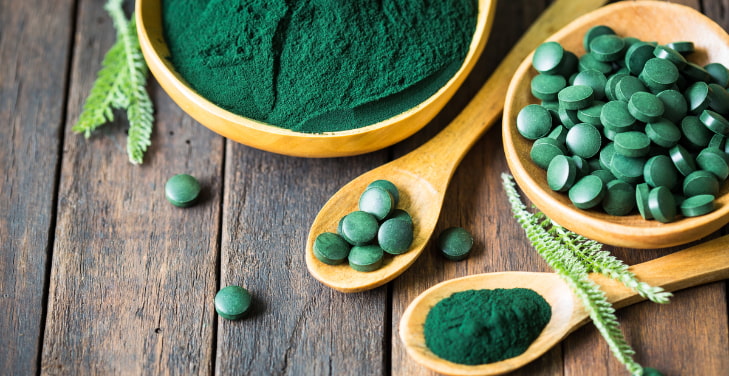
Spirulina powder may offer benefits but carries potential risks for some users.
What Is Spirulina and Why Do People Use It
Spirulina, a nutrient-rich microalgae, has attracted the attention of those interested in proactive health. Its distinctive deep green color reflects its high nutrient density, making it a strong contender in the world of dietary supplements.
Spirulina as a Nutrient-Dense Microalgae
Spirulina belongs to the blue-green algae group and grows in naturally alkaline water environments. It contains complete proteins, essential amino acids, B vitamins, and minerals such as iron and magnesium. This combination supports cellular energy and promotes metabolism.
Popular Health Claims and Driving Usage
Users choose spirulina to boost immunity, improve endurance, and support detoxification. Antioxidant compounds like phycocyanin help neutralize free radicals, laying the foundation for long-term health.
Common Forms and Daily Consumption
Spirulina is available in powder, tablet, or capsule form. Users incorporate it into smoothies, juices, or their daily diet to maintain a consistent nutritional supplement routine.
Are Spirulina Side Effects Common?
Spirulina offers many nutritional benefits, but it also produces certain physiological reactions when the body receives it. The frequency of side effects depends on the dosage, product quality, and individual characteristics.
Individual Sensitivity and Body Response
Each body reacts differently when spirulina is absorbed. Some people experience bloating, digestive changes, or a slight increase in body temperature due to increased metabolic activity. The immune system also reacts flexibly, especially in sensitive individuals.
Dosage and Frequency of Use
High doses increase the likelihood of side effects. Continuous use at high doses can lead to accumulation of the active ingredient, placing pressure on the digestive system and the liver. Users often notice a noticeable change when the dose is suddenly increased.
Quality and Source of Spirulina Products
The product's origin directly affects its safety. Spirulina cultivated in a tightly controlled environment provides a more consistent experience. In contrast, lower-quality products are more likely to cause adverse reactions due to impurities and toxins.
Digestive Issues Linked to Spirulina
The digestive system reacts quickly when spirulina enters the body, especially in the initial stages of use. Symptoms are noticeable, creating a feeling of internal changes within just a few hours.
Common Gastrointestinal Reactions
Users often experience mild nausea, bloating, or abdominal cramps. Stool may change color and texture due to the natural pigments in spirulina. Increased bowel motility leads to more frequent bowel movements.
Detox-Like Responses in the Gut
Spirulina activates detoxification, speeding up the elimination of waste. This process creates temporary discomfort in the stomach and intestines. Some people feel strong movements inside their abdomen, accompanied by distinct bowel sounds.
Sensitive Individuals and Risk Factors
Individuals with sensitive digestive systems or a history of intestinal disorders are more likely to experience stronger reactions. High doses and rapid dose escalation increase pressure on the gastrointestinal mucosa, making symptoms more pronounced and prolonged.
Risk of Contamination and Toxins
The quality of spirulina directly determines its safety for use. The growing environment and production process create significant differences in impurity levels, thereby affecting user health in very specific ways.
Environmental Exposure to Heavy Metals
Spirulina absorbs heavy metals from water sources, including lead, mercury, and arsenic. These substances accumulate in the algal biomass and then enter the body through the digestive tract. The liver and kidneys continuously process these toxins, increasing the metabolic burden and causing symptoms such as fatigue or dysfunction.
Microcystins and Cyanotoxin Presence
Some batches of spirulina contain microcystins because toxic algae grow in the same environment. These toxins directly affect liver cells, altering enzyme activity and causing tissue damage. Users experience decreased energy and upper abdominal discomfort.
Manufacturing Standards and Quality Control
Strict manufacturing processes help eliminate impurities and control toxins. Products that meet testing standards offer high purity, while uncontrolled sources are more likely to contain harmful compounds, thereby increasing the risk of adverse reactions with long-term use.
Allergic Reactions and Immune Responses
The immune system recognizes spirulina as a potent biological agent, thereby triggering a chain reaction of protective responses. The body clearly shows these effects through the skin, respiratory system, and circulatory system, creating easily recognizable signals immediately after use.
Immune Activation and Histamine Release
Spirulina enhances immune cell activity and increases histamine release. This process leads to itching, hives, and a burning sensation on the skin. Blood vessels dilate rapidly, creating a spreading red area with intensity varying from person to person.
Cross-Reactivity with Algae and Seafood Sensitivities
Individuals with a history of sensitivity to algae or seafood react more strongly to spirulina. The immune system recognizes a similar protein structure and triggers a cross-reaction. Users clearly experience these changes through sore throat, respiratory discomfort, and increased mucus production.
Severity and Progression of Symptoms
Allergic reactions progress rapidly in stages. Symptoms begin mildly, such as itchy skin, then spread and intensify. In some cases, swelling of the lips and eyelids and chest tightness may occur, indicating a heightened immune response.
Spirulina and Autoimmune Conditions
Spirulina directly affects the immune system, altering the mechanisms that regulate inflammation. In individuals with autoimmune diseases, this activation strongly affects immune balance and alters the disease state.
Immune System Stimulation Mechanisms
Spirulina enhances macrophage and lymphocyte activity and increases cytokine production. These signals amplify the endogenous inflammatory response, making the immune system more sensitive and active.
Impact on Autoimmune Disease Activity
In conditions such as Lupus or Rheumatoid arthritis, spirulina increases disease activity levels. Users experience more pronounced joint pain, prolonged stiffness, and decreased energy levels with each flare-up.
Inflammatory Pathways and Symptom Flare-Ups
The continuously activated inflammatory pathways create a chain reaction in the body. The connective tissue and target organs are severely affected, leading to swelling, pain, and a burning sensation in the affected area. Symptoms appear in episodes of increasing intensity, reflecting an unstable immune system.
Dangerous Effects on Blood and Clotting
Spirulina directly affects the hematological system, particularly in blood clotting and circulation. These changes occur subtly but have a noticeable impact when the body faces injury or medical intervention.
Impact on Platelet Function
Spirulina alters platelet activity, slowing platelet aggregation. Blood circulates more freely, increasing the likelihood of bruising after minor impacts. Scratches bleed for longer periods, reflecting a decreased ability to form blood clots.
Interaction with Anticoagulant Medications
People using medications like Warfarin experience a synergistic effect when combined with spirulina. The anticoagulant effect is increased, altering the clotting index and increasing the body's susceptibility to bleeding.
Bleeding Risks and Clinical Implications
The risk of bleeding is more pronounced in situations such as surgery or injury. Nosebleeds, bleeding gums, and subcutaneous hemorrhages reflect an imbalance in the blood clotting system. This condition puts significant strain on the circulatory system and requires close monitoring.
Effects on Liver and Kidney Health
The liver and kidneys process spirulina as a concentrated source of active ingredients, thus creating significant metabolic stress. When product quality and dosage change, these two organs respond strongly, leading to noticeable biological fluctuations.
Liver Detoxification Load and Cellular Stress
The liver receives compounds from spirulina and activates enzyme systems to metabolize them. This process increases oxidative stress in liver cells, especially when the product contains impurities. Users may experience heaviness in the right lower rib area, accompanied by prolonged fatigue.
Kidney Filtration and Toxin Clearance
The kidneys filter metabolic products and excrete them through urine. Spirulina, due to its high mineral content, increases glomerular filtration pressure. Changes in urine color and frequency reflect adjustments in the excretory system.
Vulnerability in Pre-existing Conditions
Individuals with liver or kidney disease experience more severe reactions when using spirulina. Biochemical indicators fluctuate rapidly, suggesting functional overload. The body exhibits mild edema, decreased energy, and changes in general sensation.
Who Should Avoid Spirulina Completely
Several groups of people face a higher risk when using spirulina due to their physiological characteristics and underlying medical conditions. In these cases, the body reacts strongly, leading to noticeable fluctuations across many organ systems.
Pregnancy and Breastfeeding Considerations
Pregnant and breastfeeding women experience a sensitive period in terms of hormones and immunity. Spirulina affects biological balance and can introduce impurities into the mother's body. These factors directly impact the fetal development environment and the quality of breast milk.
Individuals with Phenylketonuria (PKU)
Spirulina contains phenylalanine, an amino acid that accumulates in the bodies of people with PKU. Elevated levels affect the central nervous system, leading to cognitive and behavioral changes.
People with Chronic Illness or Medication Use
Individuals with chronic illnesses or long-term medication use experience biological interactions when adding spirulina. Metabolic processes and immune responses change, increasing stress on the body and creating reactions that are difficult to control.
How to Reduce Spirulina Side Effects
Controlling spirulina side effects requires a clear strategy and discipline at each step of use. The right approach helps the body adapt gradually, thereby maintaining a stable state and minimizing unpleasant reactions.
Start Low and Adjust Gradually
Users should start with a small dose to allow the body to get used to the concentrated active ingredient. The dose should be increased in short increments, allowing the digestive and immune systems to adapt. A slow increase provides a comfortable feeling and limits physiological fluctuations.
Choose High-Quality, Tested Products
Products that meet testing standards ensure high purity and reduce the risk of impurities. Spirulina grown in a tightly controlled environment helps maintain a stable composition. Users should prioritize quality certifications to enhance safety.
Monitor Body Signals and Timing
The body sends clear signals through digestive sensations, energy levels, and skin condition. Users adjust their usage times to suit their circadian rhythm, usually in the morning or early in the day. Continuous monitoring helps maintain balance and optimize the experience.
Conclusion
Spirulina offers a concentrated source of nutrients and produces noticeable biological effects in the body. Users experience benefits when used correctly and when adverse reactions are identified early.
Choosing high-quality products, controlling dosage, and monitoring bodily signals helps maintain stability. This proactive approach enhances effectiveness and protects long-term health.
Frequently Asked Questions (FAQs)
- Does spirulina cause immediate side effects? – Spirulina can trigger rapid responses in some individuals, with symptoms such as mild nausea, bloating, or digestive changes appearing within hours.
- Who is more likely to experience side effects from spirulina? – Individuals with sensitive systems, autoimmune conditions, or those on long-term medications may experience stronger reactions, including fatigue and digestive discomfort.
- How does spirulina affect the liver and kidneys? – The liver and kidneys process spirulina, and high doses or contaminated products may place stress on these organs, affecting normal function.
- Is it safe to take spirulina daily? – Daily use can be appropriate with controlled dosage and high-quality products, while monitoring the body’s response to maintain balance.
- How to reduce the risk of spirulina side effects? – Starting with a low dose, increasing gradually, and choosing tested products helps reduce risk, along with observing body responses and maintaining consistency.
