
Sodium benzoate is increasingly present in everyday foods and beverages. This prevalence raises significant concerns about its health impact, especially in the context of rising rates of metabolic disorders and food sensitivities.
Modern medical research focuses heavily on the link between food additives and the body's biological responses. Understanding sodium benzoate is, therefore, a crucial part of a proactive and sustainable health protection strategy.
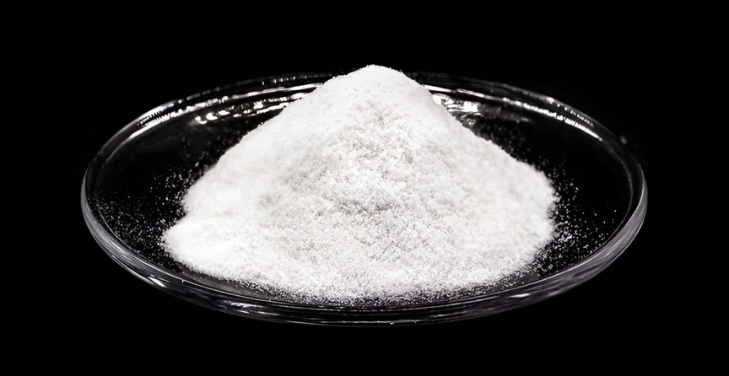
Sodium benzoate may pose health concerns when consumed frequently or combined with certain additives.
What Is Sodium Benzoate and Why Is It Widely Used
Sodium benzoate is a common preservative in the modern food and beverage industry. This compound frequently appears in acidic products where high stability and microbiological safety are required. From a medical perspective, sodium benzoate is a technological solution that extends shelf life and maintains product sensory quality.
Chemical Identity and Preservation Role
Sodium benzoate is the sodium salt of benzoic acid, readily soluble in water and effective in acidic environments. It inhibits the growth of bacteria, yeasts, and molds by directly affecting their metabolic processes.
Common Applications in Food and Beverages
This preservative is widely used in soft drinks, canned foods, sauces, and fermented products. Its high stability allows manufacturers to maintain consistent quality throughout the long supply chain.
Why the Food Industry Relies on It
Sodium benzoate offers significant preservation benefits, reasonable cost, and high compatibility with a wide range of food formulations. These characteristics drive its widespread application in industrial-scale production.
How Sodium Benzoate Can Affect the Human Body
In the human body, sodium benzoate participates in a series of biological reactions involved in digestion, metabolism, and excretion. From a medical perspective, this substance triggers specific physiological responses immediately after absorption through the digestive tract.
Absorption and Metabolic Processing
Sodium benzoate is rapidly absorbed in the small intestine and enters the liver for biological conjugation. The liver metabolizes this compound into hippuric acid, which is then excreted. This process reflects the liver's central role in processing food additives.
Physiological Responses and Systemic Impact
The presence of sodium benzoate stimulates enzyme activity and disrupts cellular homeostasis. The nervous, immune, and metabolic systems exhibit clear biological responses upon repeated exposure. These responses demonstrate the body's proactive adjustment to maintain a stable state in the face of exogenous agents.
Potential Short-Term Side Effects
In the short term, sodium benzoate triggers several immediate physiological reactions upon entering the body. These manifestations appear soon after consumption and reflect the body's recognition and processing of a distinctly bioactive additive.
Gastrointestinal Sensations
The digestive system responds directly to sodium benzoate, leading to feelings of fullness, burning sensations, or changes in bowel motility. These manifestations indicate that the gastrointestinal mucosa rapidly receives and responds to the exogenous compound.
Skin and Mucosal Reactions
The skin and mucous membranes exhibit physiological reactions such as itching, redness, or mild tingling. These signs are associated with the release of biomedia into peripheral tissues.
Neurological Responses
The central nervous system registers increased sensitivity to stimuli, manifested as feelings of restlessness or changes in alertness. This reaction reflects the interaction between the preservative and neurotransmitters.
Transient Immune Activation
The immune system initiates a short-term response to recognize and process sodium benzoate. This process is manifested through the regulation of immune cell activity and physiological inflammatory signals.
Long-Term Health Concerns Under Ongoing Exposure
With prolonged exposure, sodium benzoate produces cumulative effects on multiple organ systems. From a medical perspective, repeated absorption at regular intervals promotes adaptive, profound regulatory changes in the body.
Cumulative Metabolic Load
The liver and kidneys play a central role in the long-term processing of sodium benzoate. Increasing metabolic stress over time activates cellular adaptive mechanisms, altering enzyme activity rates and endogenous metabolic flows.
Chronic Inflammatory Signaling
The prolonged presence of sodium benzoate stimulates low-level inflammatory signals in tissues. This process maintains a state of continuous biological activation, affecting immune balance and homeostasis.
Cellular and Molecular Adaptation
At the cellular level, sodium benzoate regulates gene expression and oxidative responses. These changes reflect the body's long-term adaptive capacity to constant external factors.
Sodium Benzoate and Hyperactivity Concerns
In the field of behavioral medicine, sodium benzoate attracts attention for its association with neuronal responses linked to increased activity levels. When consumed, this preservative participates in biological mechanisms that directly affect the central nervous system and behavior regulation.
Neurochemical Activity and Brain Signaling
Sodium benzoate affects neurotransmission by influencing the balance of neurotransmitters such as dopamine and glutamate. This signaling modulation increases neuronal excitability, thereby promoting hyperactivity and faster responses to environmental stimuli.
Behavioral Responses in Children
In children, the developing nervous system is highly sensitive to sodium benzoate. Frequent exposure triggers manifestations such as hyperactivity, difficulty concentrating, and strong emotional responses. These changes reflect the link between food additives and behavioral regulation during early development.
Risk of Benzene Formation in Certain Conditions
In the context of preventative medicine, sodium benzoate is carefully considered due to its potential to participate in chemical reactions that produce benzene under specific conditions. This phenomenon is directly related to the storage environment, product formulation, and external physical influences.
Chemical Interaction Pathways
Sodium benzoate participates in decarboxylation reactions when combined with ascorbic acid in an acidic environment. This process promotes the formation of benzene at the trace level, reflecting the sensitivity of its chemical structure to catalytic factors.
Influence of Heat and Light Exposure
High temperatures and strong light increase the rate of chemical reactions in products containing sodium benzoate. These conditions trigger molecular degradation, thereby promoting the formation of benzene in the solution.
Implications for Human Health
Benzene directly impacts the hematopoietic system and cellular mechanisms. The formation of this compound in food necessitates strict monitoring to protect the body's long-term biological balance.
Who May Be More Sensitive to Sodium Benzoate
The body's response to sodium benzoate varies significantly among different populations. From a medical perspective, this sensitivity reflects differences in physiology, metabolism, and underlying health conditions, causing some individuals to exhibit a stronger reaction upon exposure.
Children with Developing Systems
Children have developing nervous and liver systems, leading to a unique rate of sodium benzoate processing. The heightened sensitivity of these organ systems drives a more pronounced biological response compared to adults.
Individuals with Metabolic Vulnerability
Individuals with metabolic disorders exhibit different levels of processing of the food additive. Altered enzyme activity enhances the physiological response to sodium benzoate upon entry into the body.
People with Allergic Predisposition
Allergies predispose to a rapid, strong immune response to sodium benzoate. The immune system of this group reflects heightened biological alert.
Patients with Liver or Kidney Stress
The liver and kidneys are primarily responsible for the metabolism and excretion of sodium benzoate. When the function of these organs is under stress, the physiological response becomes more pronounced and prolonged.
How to Limit Sodium Benzoate Intake Safely
From a healthcare professional's perspective, controlling sodium benzoate intake is effectively achieved through conscious eating habits and a thorough understanding of the products used daily. The body responds positively when exposure to additives is proactively and consistently managed.
Smart Label Reading and Ingredient Awareness
Consumers can improve their ability to control their intake of sodium benzoate by carefully reading ingredient labels. Identifying the names of additives helps people choose foods that better suit their individual health needs. This habit creates a proactive layer of protection against potential exposure.
Dietary Choices and Product Substitution
Diets that prioritize fresh, minimally processed foods significantly reduce intake of sodium benzoate. Replacing bottled drinks with natural water or preservative-free products helps the digestive system and liver function more smoothly.
These strategies help maintain long-term biological balance and promote overall health.
Conclusion
Sodium benzoate plays a clear role in modern food preservation and simultaneously produces notable biological effects upon regular exposure. Understanding the mechanisms of absorption, metabolism, and physiological responses helps to proactively enhance health awareness.
Managing consumption based on scientific knowledge and making conscious food choices supports the maintenance of homeostasis. This approach promotes long-term health and strengthens the body's ability to protect itself against external factors.
Frequently Asked Questions (FAQs)
- What is sodium benzoate, and why is it so commonly used? – Sodium benzoate is a preservative used mainly in acidic foods to inhibit microorganisms. It extends shelf life, stabilizes quality, and protects food safety across long distribution chains.
- How does sodium benzoate affect the body? – Once consumed, sodium benzoate is processed primarily in the liver. This metabolism involves enzymes and the excretory system, helping the body maintain internal balance.
- Does consuming sodium benzoate cause immediate reactions? – Some people notice short-term effects such as digestive changes, skin sensations, or shifts in alertness. These effects reflect individual physiological responses to the additive.
- Why is sodium benzoate linked to hyperactivity? – Sodium benzoate can influence brain signaling pathways. In children, heightened nervous system sensitivity may lead to increased movement or reduced focus.
- How can sodium benzoate intake be safely controlled? – Limiting processed foods, checking ingredient lists, and choosing fresh alternatives help reduce exposure. This strategy supports liver health and promotes long-term dietary balance.
