
Resveratrol has emerged as a bioactive agent of widespread interest in the modern health community. Its popularity reflects the need to proactively protect the cardiovascular system, metabolism, and aging processes at the cellular level.
In addition to its physiological potential, resveratrol exerts strong effects on the liver, hormones, and the circulatory system. Its use as a supplement takes it beyond conventional nutrition, producing clearly targeted biological effects.
The question is: Is the current level of understanding sufficient to enable the safe and responsible use of resveratrol?
Always use resveratrol carefully to avoid unwanted side effects.
What Is Resveratrol?
Resveratrol is a prominent bioactive compound in nutrition and preventive medicine. It has attracted attention for its ability to deeply affect many important physiological processes, especially in the context of modern lifestyles and the growing use of dietary supplements.
Biochemical Nature
Resveratrol belongs to a group of natural polyphenols, specifically stilbene, synthesized by plants as a self-protection mechanism. This compound participates in the regulation of oxidative reactions and supports cellular homeostasis.
Natural Sources
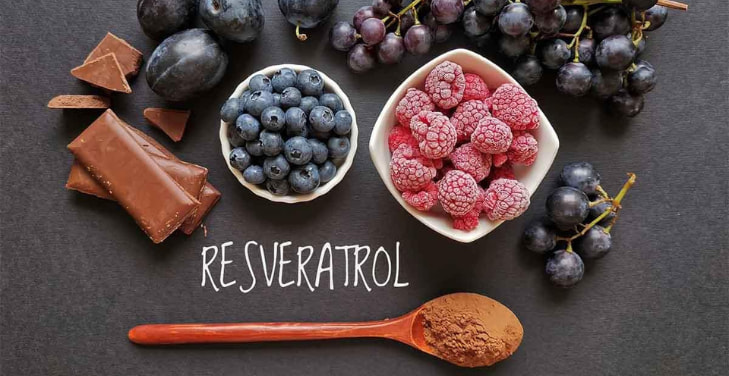
Resveratrol is present in significant amounts in red grape skins, dark berries, peanuts, and some plants with high adaptability to environmental stress.
Physiological Role
In the human body, resveratrol modulates cell signaling pathways, activates enzymes involved in energy metabolism, and regulates inflammation at the molecular level.
Supplement Form
In supplement form, resveratrol is purified to high concentrations to meet the goals of intensive nutritional intervention and serve the needs of targeted health care.
Why People Use Resveratrol Supplements
Many people turn to resveratrol as a strategic health support tool, driven by the need to maintain optimal physiological function amid ongoing metabolic stress and aging. Supplementation provides proactive access to a steady, targeted dose of the active ingredient.
Cardiometabolic Support
Resveratrol affects the cardiovascular system by regulating microcirculation and supporting lipid-metabolism-related enzyme activity. This process creates a biological environment favorable to cardiovascular function.
Healthy Aging
Users choose resveratrol because it activates age-regulating proteins, such as SIRT1, thereby promoting healthy cellular activity and maintaining organ function.
Inflammation Modulation
Resveratrol modulates cytokines and immune signaling, supporting the control of inflammatory responses at the molecular level through homeostatic mechanisms.
Metabolic Efficiency
Many people turn to resveratrol to enhance energy efficiency, support mitochondrial function, and promote stable glucose metabolism.
Common Side Effects of Resveratrol
Resveratrol supplementation elicits specific physiological responses through its direct effects on digestive, nervous, and vascular regulatory mechanisms. The manifestations appear differently depending on the dose, duration of use, and individual metabolic characteristics.
Digestive Reactions
Resveratrol affects intestinal motility and digestive enzyme secretion. Some people report a feeling of fullness, epigastric discomfort, and changes in intestinal rhythm in the initial stages of use.
Neurological Symptoms
The central nervous system responds to resveratrol's strong biological activity with symptoms such as mild headache, dizziness, or changes in alertness during the day.
Vascular Responses
Resveratrol can regulate vascular tone, leading to hot flashes, mild weakness, or temporary hemodynamic changes in some sensitive subjects.
General Tolerance
The frequency and severity of side effects reflect the individual's biological tolerance to the polyphenol concentration.
Serious Health Risks to Consider
Resveratrol exhibits potent biological activity when introduced into the physiological system, especially at high supplement doses and over long-term use. Some systemic health risks arise due to its profound effects on the liver, hormones, and systemic hemodynamics.
Liver Function Impact
The liver is responsible for metabolizing resveratrol via phase I and phase II enzymes. This process increases the metabolic burden, thereby affecting liver enzyme levels and detoxification capacity in people with sensitive livers.
Hormone Dysregulation
Resveratrol exhibits phytoestrogen-like biological activity, participating in modulating endocrine signaling. This mechanism affects the sex hormone axis, leading to marked physiological changes in the endocrine environment.
Blood Pressure Alteration
The cardiovascular system responds to resveratrol by modulating vascular tone and blood flow. Changes in blood pressure reflect a strong biological response in individuals with specific vascular regulation mechanisms.
Systemic Sensitivity
The degree of risk depends on the dose, duration of exposure, and individual physiological adaptation.
Drug Interactions and Medical Concerns
Resveratrol interacts directly with many drug metabolism pathways in the body, especially through the liver enzyme system and systemic physiological regulatory mechanisms. Concomitant use with Western medicine causes significant pharmacodynamic changes, requiring clear medical understanding.
Anticoagulant Interaction
Resveratrol affects platelet aggregation and blood flow. This activity changes the physiological effect of anticoagulants, leading to biological fluctuations in the circulatory system.
Blood Pressure Medications
Resveratrol acts on vascular tone and blood pressure regulation at the endothelial cell level. Combination with antihypertensive drugs elicits a strong physiological response and alters hemodynamic indices.
Anti-Inflammatory Drugs
This compound participates in the regulation of inflammatory enzymes and immune mediators. This process affects the biological performance of NSAIDs in the inflammatory response system.
Hormone-Related Therapies
Resveratrol interacts with estrogen receptors, thereby influencing the biological effects of endocrine therapy and hormone regulation.
Resveratrol and Hormonal Effects
Resveratrol exhibits significant endocrine effects through mechanisms similar to those of plant estrogens. It participates in hormone signaling networks, thereby influencing endocrine balance and related physiological functions in the human body.
Phytoestrogen Activity
Resveratrol binds to estrogen receptors alpha and beta at the cellular level. This interaction triggers transcriptional cascades that regulate gene expression related to growth, reproduction, and metabolism.
Endocrine Regulation
This compound acts on the hypothalamic-pituitary-gonadal axis, thereby influencing circulating hormone concentrations. This regulatory process produces systematic biological changes in the endocrine environment.
Hormone-Sensitive Conditions
In individuals with estrogen-sensitive tissues, resveratrol alters cellular activity and hormone response rates. This mechanism is evident in breast, uterine, and prostate tissues.
Dose-Dependent Response
The magnitude of endocrine effects directly reflects the dose and the duration of exposure to resveratrol.
Safe Dosage and Toxicity Thresholds
The dose of resveratrol directly determines the biological safety and physiological response of the body. An evidence-based approach helps manage the boundary between potential benefits and long-term cumulative risks, especially when used in concentrated supplement form.
Evidence-Based Dosage Range
Clinical research data show that resveratrol is typically used at doses of tens to hundreds of milligrams per day. This dose range produces clear biological effects on metabolism, inflammation, and circulation.
Upper Intake Considerations
As the dose increases, resveratrol's biological activity becomes more pronounced in the liver, vasculature, and endocrine axis. Accumulation occurs when the dose exceeds the individual's metabolic capacity.
Toxicological Insights
The toxicity threshold reflects liver enzyme overload and cellular dysregulation. Biochemical changes indicate a distinct physiological response to chronically high intakes.
Individual Variability
Resveratrol tolerance depends on age, body type, genetic variants in metabolic genes, and overall health status.
Who Should Avoid Resveratrol?
Resveratrol exerts powerful biological effects on multiple organ systems, so some groups of people need to be extremely cautious when considering its use. Identifying risk groups helps protect the homeostasis and limit adverse physiological reactions.
Pregnant and Breastfeeding Individuals
The body undergoes profound endocrine changes during pregnancy and lactation. Resveratrol participates in hormone regulation and affects cell signaling, thereby creating a pervasive effect on this sensitive physiological environment.
Hormone-Sensitive Conditions
People with estrogen-related pathologies such as breast, uterine, or prostate tumors are clearly affected by the phytoestrogen activity of resveratrol. The endocrine response is strong in specific tissues.
Liver and Kidney Disorders
The liver and kidneys play a central role in the metabolism and elimination of resveratrol. Underlying pathologies in these two organs alter the ability to process concentrated bioactives.
Chronic Medication Users
Long-term medication users experience significant pharmacological interactions with resveratrol supplementation, particularly on the cardiovascular and coagulation systems.
Food Sources vs Supplements
Resveratrol occurs in natural foods and in supplements at significantly different concentrations. These two forms produce different biological experiences due to variations in dosage, chemical form, and absorption rate in the human body.
Natural Dietary Sources
Red grapes, dark berries, and peanuts provide resveratrol along with fiber, vitamins, and companion polyphenols. This combination creates a synergistic effect and supports the body's natural defense mechanisms.
Supplement Concentration
Supplements provide resveratrol in pure form at high concentrations, producing a clear, targeted physiological effect. This content far exceeds that obtained from a normal diet.
Absorption and Delivery
Food forms undergo complex digestion processes, while supplements are designed to optimize bioavailability. This difference determines the rate and extent of resveratrol entering the circulation.
Usage Intent
Foods support basic health, while supplements serve a specific, structured intervention goal.
Expert Tips for Safe Use
Safe use of resveratrol requires systematic thinking and an understanding based on human physiology. A proactive approach optimizes biological efficacy while maintaining homeostasis during long-term supplementation.
Start with Physiological Needs
Each body exhibits different metabolic capacities. Aligning resveratrol doses with age, body type, and circadian rhythms helps create a balanced and manageable response.
Time and Consistency
Resveratrol works best when administered at a fixed time each day. Consistency supports stable plasma concentrations and improves biological tolerance.
Monitor Body Response
Monitoring physiological markers such as digestion, hemodynamics, and energy perception provides early indications of how the body is adapting to the compound.
Professional Guidance
Consultation with a healthcare professional provides a personalized perspective. Periodic clinical assessment helps adjust the dose and mode of use based on the patient's health status.
Conclusion
Resveratrol represents a biological compound with multifaceted effects on the metabolic, endocrine, and cardiovascular systems. Access to this active substance requires a clear understanding of the physiological magnitude it produces in the human body.
Scientific data show that the dose, health context, and drug interactions determine the safe experience of use. Active monitoring of biological responses helps maintain homeostasis and limits cumulative risks.
Clinical evidence-based use and professional advice provide long-term value. Informed decisions help users approach resveratrol in a conscious, responsible, and sustainable way for overall health.
Frequently Asked Questions (FAQs)
- What is Resveratrol, and why should you be careful when using it? – Resveratrol is a highly active polyphenol that can affect liver enzymes, endocrine pathways, and hemodynamic stability. Its strong biological activity requires proper guidance, appropriate dosing, and careful monitoring of the body’s responses.
- What side effects does resveratrol often cause? – Some users may experience digestive changes, lightheadedness, or fluctuations in blood pressure. These responses reflect the body's adjustment to higher polyphenol levels and increased biological activity.
- How does resveratrol affect the drugs being used? – Resveratrol can influence drug-metabolizing enzymes and coagulation mechanisms, potentially altering the effects of cardiovascular, anti-inflammatory, and endocrine medications. Consistent medical monitoring is recommended.
- What is the appropriate dose of resveratrol? – Scientific studies suggest that doses from a few tens to several hundred milligrams per day may produce significant biological effects. The suitable dose depends on age, body type, metabolic genetics, and individual health goals.
- Who should consider carefully before supplementing with resveratrol? – Pregnant individuals, people with endocrine issues, liver or kidney disorders, or those taking long-term medications should seek medical assessment before supplementing to protect physiological balance and long-term health.
