
Rapeseed oil is increasingly appearing in modern kitchens and the global food chain. This oil is intrinsically linked to the nutrition, cooking habits, and daily health choices of millions of people.
The nutritional value, production process, and uses of rapeseed oil offer diverse perspectives. Each spoonful of oil carries a story about fats, energy, and lifestyle.
What does rapeseed oil truly mean for your long-term health and dietary decisions?
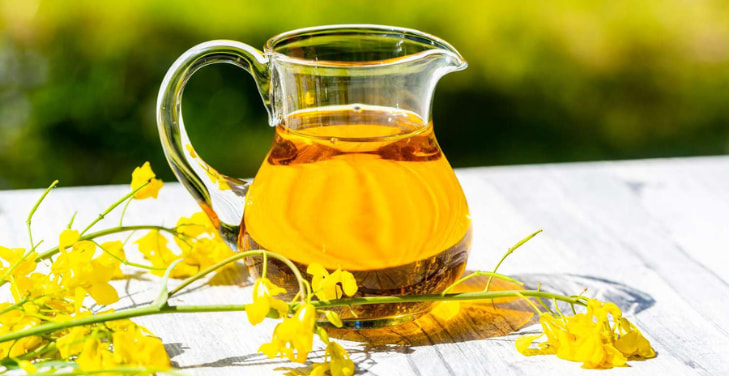
Rapeseed oil sparks debate due to its nutritional value, processing methods, and long-term health effects.
What Is Rapeseed Oil?
Rapeseed oil is a vegetable oil widely used in modern nutrition and the food industry. It's a frequent ingredient in daily meals due to its stability, neutral flavor, and high versatility in various cooking methods.
Origin and Source
Rapeseed oil is extracted from the seeds of the rapeseed plant, belonging to the Brassica family. This plant is cultivated on a large scale in Europe, Canada, and many temperate regions, providing a stable supply for the global market.
Production Process
The production process combines seed pressing and refining to create oil with a bright color, smooth texture, and high purity. Modern processing technology helps maintain consistent quality and long shelf life.
Why It Is Widely Used
Rapeseed oil possesses a balanced fatty acid composition, good heat resistance, and versatility in cooking. These characteristics make the oil suitable for frying, sautéing, baking, and the production of packaged foods.
Why People Ask: Good or Bad?
Rapeseed oil consistently attracts strong interest due to its direct relevance to daily health. Consumers ask questions driven by a desire to understand the long-term impact of this popular oil on their bodies and diets.
Public Attention
Rapeseed oil is widely found in processed foods and home kitchens. Its high popularity prompts consumers to actively seek information about its quality, origin, and nutritional value.
Media Influence
Health media, social networks, and modern dietary trends constantly mention rapeseed oil. This diverse information stimulates curiosity and fuels the need to verify scientific knowledge.
Health Awareness
Consumers are increasingly focused on fats in their diets. Rapeseed oil is linked to stories about cardiovascular health, metabolism, and healthy lifestyles, strongly motivating the "good or bad" questions.
Nutritional Profile Explained
Rapeseed oil possesses a clear nutritional profile and is highly valued in nutritional science. Its fat and micronutrient composition plays a crucial role in supporting physiological function and daily dietary balance.
Fatty Acid Composition
Rapeseed oil provides a high proportion of monounsaturated fats, combined with a balanced amount of polyunsaturated fats. This structure facilitates lipid metabolism and maintains stable energy levels.
Omega Balance
The oil contains omega-3 and omega-6 fatty acids in a harmonious ratio. This balance supports cardiovascular function, biological responses, and the body's natural regulatory mechanisms.
Key Nutrients
Rapeseed oil contains vitamin E and natural antioxidants. These nutrients support cell protection, maintain skin function, and help combat oxidative stress.
Potential Health Benefits
Rapeseed oil offers many positive health benefits when used appropriately in the daily diet. Its fatty acid and micronutrient composition supports the efficient and sustainable functioning of biological systems.
Heart Health Support
Rapeseed oil promotes cardiovascular health through its abundant monounsaturated fat content. This type of fat supports stable blood flow and maintains flexible blood vessel function.
Cholesterol Balance
Using rapeseed oil helps regulate blood lipids. The oil's fatty acid structure helps balance cholesterol intake, laying the foundation for healthy metabolism.
Daily Dietary Use
Rapeseed oil is suitable for daily meals due to its mild flavor and high versatility. It easily integrates into many culinary styles, from home cooking to scientifically-balanced diets.
Possible Health Risks
Rapeseed oil comes with several health implications that need to be understood in the context of practical use. A thorough understanding of these factors helps consumers be more proactive in their daily choices and in their oil use. Discover the potential dangers of rapeseed oil and what to watch out for when using it.
Refining and Processing
Rapeseed oil typically undergoes a refining process to achieve stability and uniform color. This process produces a highly consistent oil for large-scale food production and directly affects its biological properties.
Oxidation Concerns
Rapeseed oil contains a significant amount of unsaturated fatty acids, a characteristic related to its reactivity with heat and oxygen. Prolonged exposure to high temperatures alters the oil's structure and nutritional quality.
Excessive Intake
Rapeseed oil provides a high energy concentration, similar to other vegetable oils. Regular, high consumption affects total dietary energy intake and overall nutritional balance.
Rapeseed Oil vs. Canola Oil
Rapeseed oil and canola oil are often mentioned together in nutrition and food. The interest stems from their names, botanical origins, and their appearance on the labels of everyday consumer products.
Shared Botanical Roots
Both rapeseed oil and canola oil are extracted from the rapeseed plant, a member of the Brassica family. Their shared botanical origins create familiarity in color, texture, and cooking applications.
Canola Naming
Canola oil is derived from a selectively bred rapeseed variety cultivated to modern production standards. The name canola is associated with the North American market and a clear commercial classification system.
Labeling and Consumer Perception
Rapeseed oil is more common in Europe, while canola oil is popular in Canada and the United States. Labeling and marketing create distinct perceptions, although both play important roles in the modern diet.
Cooking With Rapeseed Oil
Rapeseed oil plays a versatile role in the modern kitchen thanks to its stability and mild flavor. This oil is well-suited to a variety of cooking methods, from simple preparations to high-temperature techniques.
Heat Stability
Rapeseed oil possesses reliable heat resistance. Its fatty acid structure helps maintain stability during cooking, supporting food quality and culinary experience.
Smoke Point
Rapeseed oil has a high smoke point, making it suitable for frying, sautéing, and grilling. This characteristic allows for high-temperature cooking while maintaining a consistent oil texture.
Best Cooking Practices
Rapeseed oil is most effective when used in moderation and combined with a variety of dishes. It blends well with natural ingredients, making balanced, easy-to-prepare meals.
Who May Want to Limit Intake
Rapeseed oil is suitable for many diets; however, some groups actively control their intake to align with their individual health goals. Understanding your body's needs helps build effective and sustainable dietary plans.
Sensitive Individuals
Those with sensitive digestive systems often pay close attention to their body's reaction to vegetable oils. Rapeseed oil is carefully considered in the context of minimalist diets and post-meal sensation monitoring.
Specific Dietary Patterns
Those following whole-food or minimally processed diets often adjust their intake of rapeseed oil. This choice reflects a focus on natural ingredients.
Energy-Conscious Diets
Individuals who strictly manage their energy intake are concerned about the calorie density of cooking oils. Rapeseed oil is used in a controlled manner to maintain energy balance and overall nutritional performance.
Healthier Oil Alternatives
Choosing the right cooking oil is crucial in a long-term nutritional strategy. Different oils offer distinct fatty acid profiles, micronutrients, and culinary applications, enabling personalized diets tailored to individual health needs.
Olive Oil
Olive oil stands out for its high content of monounsaturated fats and naturally occurring polyphenols. It supports cardiovascular health, is suitable for salad dressings, light cooking, and Mediterranean-style meals.
Avocado Oil
Avocado oil boasts a high smoke point and a nutrient-rich texture. It's suitable for high-temperature cooking and provides a rich source of vitamin E.
Other Plant Oils
Flaxseed oil, walnut oil, and sesame oil each offer distinct flavors and nutritional benefits. Alternating these oils enriches the diet and optimizes nutrient absorption.
Conclusion
Rapeseed oil holds a prominent place in modern nutrition due to its wide applicability and unique fatty acid profile. Its use reflects a trend toward scientifically-based and lifestyle-appropriate food choices.
When used purposefully, rapeseed oil contributes to a balanced and varied diet. A thorough understanding allows consumers to proactively adjust their portions to individual needs.
Choosing cooking oils is always linked to nutritional awareness. Rapeseed oil has become a versatile part of a healthy and long-term eating strategy.
Frequently Asked Questions (FAQs)
- Is rapeseed oil bad for you? – Rapeseed oil has a balanced fatty acid structure and is widely used in modern diets. When used in appropriate amounts, it supports dietary stability and daily energy needs.
- Is rapeseed oil good for cardiovascular health? – Rapeseed oil provides monounsaturated and polyunsaturated fats in a balanced ratio. These fats support circulation, help maintain flexible blood vessels, and contribute to heart-friendly eating.
- Is rapeseed oil suitable for high-temperature cooking? – Yes. Rapeseed oil has a high smoke point and a stable composition, making it suitable for frying, sautéing, and baking while maintaining food quality.
- Are rapeseed oil and canola oil different? – Both oils come from the rapeseed plant. The main differences involve commercial naming, regional usage, and labeling, while nutritional value and cooking applications remain similar.
- How should rapeseed oil be used appropriately? – Rapeseed oil is most effective when used in moderation within a varied diet. Pairing it with vegetables, grains, and protein sources supports balanced and sustainable nutrition.
