
Quiet evenings at home are becoming a deliberate lifestyle choice. The slower pace of life opens space for the body to rest and the mind to regenerate. A sense of peace is formed from the simplest things.
What draws so many people to tranquility after a long day? Why are soft lighting, familiar rooms, and private moments so powerfully appealing?
These peaceful evenings nurture mental well-being, balance emotions, and awaken a deep connection with oneself.
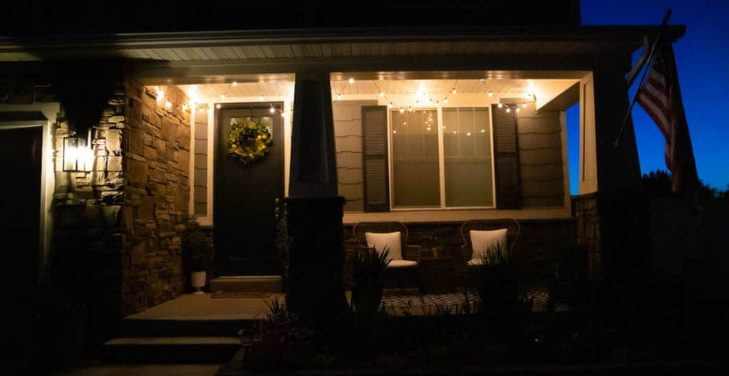
Quiet evenings at home help people relax, restore energy, and support mental well-being.
What Are Quiet Evenings at Home and Why Do They Matter?
Quiet evenings at home represent a slow, purposeful, and restorative rhythm of life. Familiar spaces, soft lighting, and minimalist activities allow the body and mind to resynchronize after a stimulating day. This state fosters a sense of security, focus, and inner balance.
A Space for Mental Decompression
Quiet evenings allow the brain to enter a state of deep relaxation. Thoughts settle. Heart rate stabilizes. The nervous system naturally and effectively regenerates energy.
A Rhythm That Supports Emotional Stability
A peaceful evening routine reinforces positive emotions. People become more aware of their inner needs. Emotional self-control is enhanced over time.
A Foundation for Sustainable Well-Being
Quiet evening moments build a foundation for long-term health. The body recovers. The mind is clear. The quality of life is improved sustainably.
The Psychological Comfort of Familiar Spaces
Familiar spaces create a sense of security from the moment you step inside. Familiar scents, familiar lighting, and personalized furniture arrangements activate positive emotional memories. The mind recognizes this place as a safe zone, thereby proactively lowering its vigilance and paving the way for deep relaxation.
Emotional Safety and Sense of Belonging
The home nurtures a sense of belonging. People feel connected to themselves, their memories, and their established rhythms of life.
Predictability That Calms the Mind
Familiarity brings stability. The brain processes the environment faster, saving cognitive energy and maintaining a prolonged state of calm.
Personal Identity Reinforcement
Living spaces reflect personality and personal values. Every small detail reinforces identity, increases inner confidence, and fosters a sense of control over life.
A Platform for Psychological Recovery
Familiarity facilitates mental recovery. Emotions calm down. Thoughts become coherent. Balance is naturally restored.
Reduced Sensory Overload and Mental Fatigue
Reducing sensory stimulation offers significant benefits to the brain after a long day. Soft lighting, low noise, and a slow pace of life allow the nervous system to enter a state of recovery. The mind escapes overprocessing and rebuilds its natural focus. Mental fatigue gradually gives way to relief and alertness.
Sensory Simplicity and Cognitive Relief
A less stimulating environment allows the brain to reduce the intensity of information processing. Cognitive energy is conserved. The ability to think clearly and make coherent decisions is strengthened.
Mental Energy Restoration Cycle
Quietness activates the mental recovery cycle. Breathing becomes deeper. Emotions are more stable. The brain sustainably accumulates the resources needed for the next day.
Quiet Time and Stress Hormone Regulation
The quiet time in the evening creates an ideal physiological environment for the body to self-regulate. As external stimuli decrease, the endocrine system responds subtly. The circadian rhythm slows down. The body enters a state of deep balance, where stress hormones are regulated rhythmically and effectively.
Cortisol Rhythm Realignment
Quietness helps stabilize cortisol secretion. The brain sends safety signals. The adrenal glands regulate their activity harmoniously and sustainably.
Parasympathetic Nervous System Activation
Quiet time activates the parasympathetic nervous system. Heart rate calms. Blood pressure stabilizes. The body prioritizes recovery and energy regeneration.
Hormonal Balance and Emotional Calm
Hormonal regulation brings about a noticeable sense of calm. Emotions become softer. The mind maintains a clearer state and better internal control over time.
Supporting Better Sleep and Circadian Rhythm
A quiet evening is crucial for preparing the body for quality sleep. As the circadian rhythm slows, the biological clock receives clear signals to transition into the resting phase. The body coordinates seamlessly among the brain, hormones, and nervous system, creating conditions for deep, regular sleep.
Natural Melatonin Release
A quiet environment promotes the timely release of melatonin. The brain synchronizes with the light-dark cycle. Sleepiness comes naturally and pleasantly.
Consistent Sleep-Wake Timing
A peaceful evening routine reinforces stable sleep times. The circadian rhythm operates smoothly. The body adapts to a clear physiological schedule.
Deeper Sleep Architecture
Evening relaxation supports deep sleep stages. Cellular repair occurs efficiently. The brain processes information and emotions coherently.
Morning Alertness Enhancement
A balanced circadian rhythm leads to increased alertness in the morning. Abundant energy. Concentration is maintained throughout the day.
Emotional Recharge and Introvert Well-Being
A quiet evening provides an ideal space for emotional recharging, especially suitable for introverts. The slow pace of life allows the mind to settle, emotions to be reorganized, and the connection with oneself to become clearer. This state nurtures a sense of fullness from within, laying the foundation for long-term mental stability.
Inner Energy Restoration
Silence allows emotional energy to regenerate naturally. Introverts feel a noticeable recovery. The spirit becomes lighter and more stable.
Emotional Clarity and Self-Awareness
Private time promotes the ability to recognize emotions. Thoughts become more coherent. Personal decisions are formed with greater confidence.
Authentic Comfort and Psychological Ease
A peaceful space reinforces a sense of genuine comfort. Positive emotions spread. A state of serenity is maintained sustainably.
Mindfulness, Reflection, and Personal Growth
A quiet evening opens up a favorable mental space for mindfulness and personal reflection. As the pace of life slows, attention returns to the present moment. The mind focuses. Emotions are clearly observed. This state lays the foundation for profound, sustainable inner growth.
Present-Moment Awareness Cultivation
Silence nurtures the ability to focus on each moment. Breathing becomes regular. Awareness of sensations and thoughts becomes clear. Mindfulness develops as a natural life skill.
Intentional Self-Reflection and Growth
This peaceful time encourages directed reflection. People identify their core goals, values, and desires. Future actions are clearly defined. Personal growth progresses steadily, continuously, and meaningfully.
Strengthening Relationships Through Calm Evenings
Calm evenings create the ideal conditions for relationships to deepen. The quiet space highlights each person's full presence. Attention is focused on genuine interaction. Emotions are shared naturally and sincerely.
Quiet Presence and Attentive Listening
Quietness encourages active listening. Eye contact, voice, and gestures become clearer. Emotional connections are strengthened.
Meaningful Conversations and Emotional Bonding
The slow pace of the evening opens up opportunities for in-depth conversations. Individual thoughts are expressed coherently. Mutual understanding steadily increases.
Shared Rituals and Relationship Stability
Maintaining simple habits together fosters a sense of connection. Shared experiences accumulate lasting value for the relationship.
Trust Building and Emotional Safety
A calm space nurtures trust. Emotional safety permeates. The relationship has worked harmoniously and steadily over time.
Long-Term Health Benefits of Slower Evenings
Evenings at a slower pace have a noticeable cumulative impact on long-term health. As the body becomes accustomed to a regular state of relaxation, biological systems function more harmoniously. Recovery is no longer short-term but has become a stable part of the lifestyle.
Chronic Stress Load Reduction
A gentle evening rhythm helps the body maintain low physiological stress levels. The nervous system adapts to a stable state. Psychological resilience is strengthened over time.
Metabolic and Immune System Support
Structured rest supports efficient metabolism. The immune system functions smoothly. The body's self-defense capabilities are sustainably strengthened.
Mental Resilience and Aging Well
A slow evening routine fosters mental resilience. The brain maintains its flexibility. The aging process progresses harmoniously, linked to a positive and stable quality of life.
Conclusion
Quiet evenings at home establish a rhythm that benefits overall health. The mind relaxes. The body recovers. Emotions become more stable and harmonious over time.
These slow moments foster quality sleep, balance hormones, and enhance mental self-regulation. Tranquility provides lasting strength.
When maintained consistently, a peaceful evening routine becomes the foundation for a high quality of life, deep connection, and lasting serenity.
Learn how incorporating simple daily rituals can enhance productivity, reduce stress, and create balance.
Frequently Asked Questions (FAQs)
-
What are the health benefits of quiet evenings at home?
Quiet evenings help the body relax deeply, regulate hormones, improve sleep quality, and strengthen mental resilience, supporting long-term nervous system balance. -
Who is best suited for a quiet evening routine at home?
Introverts, people under high mental workload, and those seeking emotional balance gain the most benefit from a slower, restorative evening routine. -
How do quiet evenings at home affect sleep?
Calm evenings align with the circadian rhythm, encourage timely melatonin release, promote deep sleep, and improve alertness the following day. -
Do quiet evenings help improve relationships?
Yes. Reduced noise and stimulation foster better listening, deeper communication, and stronger emotional bonds built on trust. -
How to build a habit of quiet evenings at home?
Soft lighting, fewer distractions, and consistent relaxing activities help the body adjust, creating a peaceful and restorative evening habit.
