
Quercetin is often portrayed as a "natural and therefore safe" compound, a common myth in the supplement world. Scientific evidence shows that quercetin's potent bioactivity produces noticeable effects on metabolism, enzymes, and the nervous system when used in concentrated form.
From a nutritional perspective, safety becomes central as quercetin's presence in modern supplements increases. Understanding the risks helps shape controlled and appropriate choices for the body.
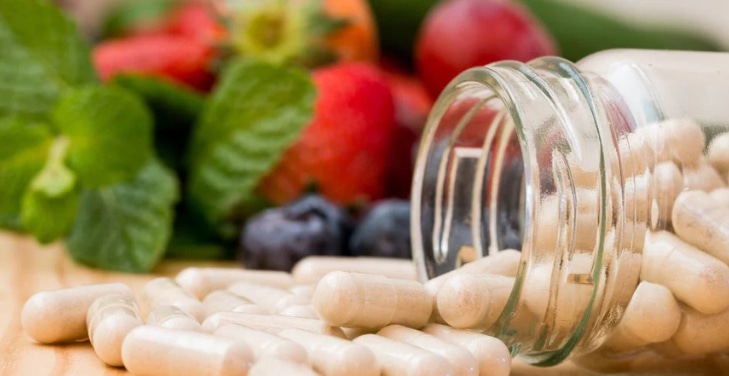
Quercetin can cause side effects and health risks when misused or taken improperly.
What Is Quercetin and Why Does Its Safety Matter
Quercetin is a naturally occurring flavonoid found in many common foods and is also commonly found in nutritional supplements. This active ingredient has attracted significant attention for its diverse biological properties, but it also raises serious safety concerns in modern healthcare.
Quercetin as a Bioactive Compound
Quercetin participates in many biochemical processes in the body through its interactions with enzymes, transport proteins, and cell signaling pathways. These interactions produce significant physiological effects, especially when quercetin is used in concentrated form in dietary supplements.
Why Safety Awareness Is Essential
The absorption and metabolism of quercetin vary depending on dosage, form of administration, and individual physiology. Proper safety awareness helps mitigate potential risks, especially when quercetin is used continuously or in combination with other nutrients.
Dietary Intake vs. Supplement Use
Quercetin from food exists within the natural nutritional matrix, creating a stable biological balance. Supplemental quercetin is highly concentrated, requiring a clear understanding of dosage and use context to ensure long-term health and safety.
Common Side Effects Reported
Quercetin, when used at supplemental doses, produces noticeable physiological reactions in some individuals. These side effects often appear early in the course of treatment and reflect the body's adaptation to the highly active bioactive compound.
Mild Physical Responses
Many people report mild feelings of warmth, transient muscle tension, or changes in energy levels throughout the day. These manifestations are directly related to quercetin's effects on circulation and cellular metabolism.
Digestive Sensations
Quercetin affects the digestive system through the intestinal lining and digestive enzymes. Some people experience bloating, changes in bowel movements, or mild discomfort after taking it.
Sensory and Perceptual Changes
Some reports indicate changes in bodily sensations, such as increased sensitivity to light or sound. These changes reflect quercetin's influence on the peripheral nervous system.
Individual Sensitivity Patterns
The severity of side effects depends on individual sensitivities, dosage, and form of administration. Identifying individual reactions helps adjust usage for greater suitability and safety.
Gastrointestinal and Digestive Issues
Quercetin directly affects the digestive system due to its potent bioactivity and ability to interact with the intestinal mucosa. Upon entering the digestive tract, this compound triggers numerous physiological responses, particularly evident in individuals with sensitive digestive systems.
Stomach Irritation and Discomfort
Quercetin influences the stomach's acidic environment and the activity of digestive enzymes. Some individuals experience mild heartburn, a burning sensation, or pressure in the epigastric region, reflecting the stomach's biological response to the concentrated compound.
Changes in Bowel Activity
Quercetin affects bowel motility and the gut microbiota. These changes can lead to bloating, increased gas production, or changes in bowel frequency, especially when quercetin is used at high doses or in rapidly absorbed forms.
Absorption and Gut Sensitivity
The absorption of quercetin depends on the intestinal barrier and the state of the gastrointestinal mucosa. Sensitive digestive systems react more strongly, producing transient but noticeable discomfort in the initial stages of use.
Headaches, Fatigue, and Neurological Symptoms
Quercetin affects the nervous system through mechanisms that regulate blood vessels, cellular signaling, and neurotransmission. When used as a supplement, this compound produces noticeable neurological responses in some sensitive individuals.
Headache and Cerebral Response
Quercetin impacts cerebral blood flow and vascular tone. This change leads to a dull headache, tension in the forehead, or heaviness in the head, especially when the body reacts strongly to sudden physiological adjustments.
Fatigue and Nervous System Load
Quercetin is involved in cellular energy metabolism and mitochondrial activity. In some individuals, the central nervous system responds with short-term fatigue, lethargy, or decreased concentration, reflecting an increased regulatory burden.
These findings clearly demonstrate the link between quercetin and neurological function, highlighting the importance of monitoring the body's response during use.
Drug Interactions to Be Aware Of
With the increasing use of dietary supplements, drug interactions have become a central safety concern. Once in the body, quercetin participates in metabolic pathways similar to those of many pharmacologically active ingredients, thereby altering drug efficacy.
Influence on Drug Metabolism
This active ingredient directly affects the liver enzyme system, particularly the group of enzymes involved in drug breakdown. Enzyme regulation alters the rate of metabolism, leading to fluctuations in drug concentration in the blood and affecting therapeutic response.
Interactions with Cardiovascular and Antibiotic Drugs
Some cardiovascular drugs and antibiotics show a high degree of sensitivity when used concurrently with quercetin. Interactions occur at the absorption and distribution levels, producing pronounced physiological responses that require close monitoring.
Cumulative Effects in Polypharmacy
In patients using multiple medications concurrently, quercetin contributes to an increased metabolic burden. This synergistic effect underscores the importance of holistic assessment when incorporating quercetin into a medication regimen.
Risks of High-Dose or Long-Term Use
High-dose or long-term quercetin use produces more profound physiological changes than short-term use. As this compound accumulates in the body, regulatory systems must constantly adapt, creating potential risks that must be clearly identified.
Dose-Dependent Physiological Stress
High doses of quercetin promote vigorous metabolic activity in the liver and intestines. Increased physiological stress occurs when the body processes flavonoids exceeding normal adaptive levels.
Accumulation and Cellular Load
Quercetin accumulates in tissues and cells with long-term use. This creates a continuous metabolic burden, especially in organs involved in detoxification.
Adaptation of Metabolic Pathways
Enzyme pathways regulate activity in response to prolonged quercetin use. This adaptation alters the internal biological balance.
Long-Term Supplementation Patterns
Continuous quercetin use shapes specific physiological responses. Understanding usage patterns helps manage risk more effectively.
Kidney and Organ Safety Considerations
During the use of dietary supplements, organ safety is always central. In quercetin, biological stress primarily targets the filtration and metabolic systems, where organs must process the active compound at high levels.
Renal Processing and Excretion Load
The kidneys are responsible for excreting quercetin metabolites through urine. As intake increases, glomerular filtration rate and excretion are strongly activated, creating a significant physiological burden on kidney function.
Impact on Liver and Supporting Organs
The liver plays a key role in quercetin metabolism through its detoxification enzyme system. Continuous stimulation increases the need for enzyme regulation, which involves supporting organs such as the gallbladder and the portal circulation.
These factors suggest that monitoring the body's response is crucial for protecting organ health when using quercetin long-term.
Who Should Avoid or Limit Quercetin
The use of quercetin requires individualized assessment based on health status and physiological context. Certain groups exhibit higher sensitivity to this compound, thus requiring a cautious approach to maintain a safe balance.
Individuals with Kidney or Liver Conditions
Individuals with sensitive kidney or liver function experience significant metabolic stress when taking quercetin. These organs are responsible for processing and excretion, so the increased biological load produces a noticeable physiological response.
People Taking Long-Term Medications
Those taking long-term medication courses face a higher risk of biological interactions. Quercetin is involved in the same enzyme pathway, altering drug kinetics and affecting treatment stability.
Pregnant, Breastfeeding, and Highly Sensitive Individuals
Pregnant women, breastfeeding mothers, and individuals with sensitivities react more strongly to the active compounds. Controlling quercetin levels helps maintain a stable and safe physiological environment.
Misleading Claims and Supplement Quality Issues
The rapidly growing supplement market creates a dense information environment and many strong claims. With quercetin, the discrepancy between marketing communications and actual quality poses a significant challenge for consumers concerned about health and safety.
Overstated Marketing Messages
Many products use absolute marketing language to attract attention. This approach shapes high expectations and obscures the role of scientific evidence and personal safety assessments.
Inconsistent Dosage and Label Accuracy
The quercetin content on the label reflects the manufacturer's quality control standards. Inaccurate dosing leads to unpredictable physiological reactions and increases the risk of long-term use.
Purity and Contaminant Concerns
The source of raw materials and the manufacturing process determine the product's purity. Heavy metal impurities or industrial additives add a metabolic burden to the body.
Regulatory Gaps in Supplement Oversight
Different regulatory mechanisms across markets directly impact product reliability. Choosing a transparent brand helps reinforce safety when using quercetin.
How to Reduce Potential Risks
Managing risks when using quercetin begins with a systematic approach and scientific understanding. Applying safety principles helps the body adapt harmoniously to this active compound and maintain a stable physiological state.
Start with Appropriate Intake Levels
Determining the appropriate amount of quercetin lays the foundation for safe use. Dosage adjusted to individual needs reduces metabolic stress and increases natural tolerance.
Monitor Individual Body Responses
Monitoring the body's response during use provides valuable information. Changes in digestion, energy, or neurological sensations reflect the level of biological adaptation.
Choose High-Quality Supplements
Products with clear origins and rigorous quality control processes reinforce safety. Pure ingredients support stable metabolism.
Professional Guidance and Periodic Review
The guidance of a nutritionist helps optimize usage strategies. Regular assessments maintain long-term balance and limit the risk of accumulation.
Conclusion
Quercetin exhibits potent biological activity and multifaceted effects on numerous systems in the body. Approaching this compound from a safety perspective helps shape responsible use habits appropriate to individual physiology.
A clear understanding of side effects, drug interactions, and cumulative risks forms the basis for informed nutritional decisions. The combination of scientific knowledge, body monitoring, and professional advice provides long-term protection of health.
Explore further how quercetin is combined with bromelain to better understand the context of use and safety levels.
Frequently Asked Questions (FAQs)
- Does quercetin cause any common side effects? – Quercetin can produce digestive changes, fatigue, or mild headaches in some people. These effects reflect the body's adjustment to the bioactive compound and its concentration.
- Does quercetin interact with other medications I'm taking? – Quercetin influences liver enzyme systems involved in drug metabolism. When combined with cardiovascular medications, antibiotics, or long-term therapies, it may change drug absorption and effectiveness.
- Is long-term use of quercetin safe? – Prolonged use creates ongoing metabolic demands on the liver and kidneys. Monitoring dosage and physical responses supports balance and long-term safety.
- Who needs to be cautious when using quercetin? – Individuals with heightened sensitivity, those using medications, and pregnant or breastfeeding women require a personalized approach to maintain physiological stability.
- How can risks be reduced when using quercetin? – Choosing reliable products, tailoring dosage, and observing bodily signals help minimize risks. Professional nutritional guidance can further optimize safe use.
