
Psyllium husk has garnered attention for its ability to significantly improve digestion and support metabolism. This soluble fiber directly impacts the gut, laying the foundation for gut health and daily energy.
Can a simple natural ingredient create such a big change in the body?
The answer lies in how psyllium works, the benefits it offers, and the factors to consider for effective use.
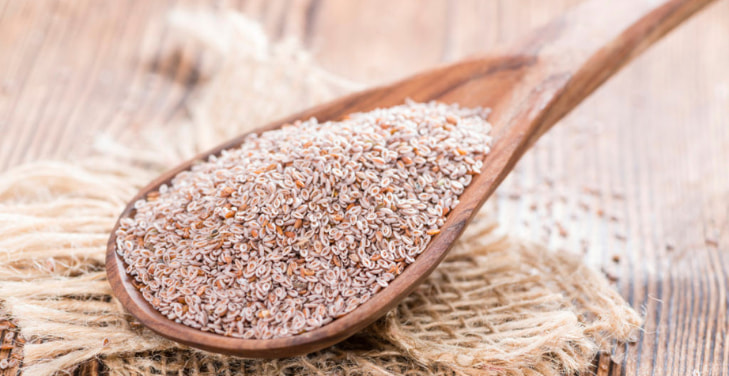
Psyllium husk powder, when mixed with water, supports digestion and gut health naturally.
What Is Psyllium Husk?
Psyllium husk is widely used in digestive support products due to its strong soluble fiber properties. This ingredient creates a natural gel layer in the intestines, improving digestive motility and optimizing nutrient absorption.
Origin and Botanical Source
Psyllium husk is extracted from the seed coat of the Plantago ovata tree, a plant that thrives in India. The seeds are small but high in fiber, offering a high biological value.
Fiber Composition and Properties
Psyllium mainly contains soluble fiber, which quickly absorbs water and swells into a gel. This structure helps soften stool, increase stool volume, and support smooth bowel movements.
Common Forms and Uses
Psyllium husk is available in powder, capsule, or raw form. Users can easily mix it with water or add it to their daily diet to improve gut health.
Nutritional Profile and Key Compounds
The nutritional value of psyllium husk focuses on its ability to provide pure fiber with high biological efficiency. This component directly affects the digestive system, metabolism, and homeostasis through its mechanisms of water absorption and gel formation.
High Soluble Fiber Content
Psyllium husk contains a large proportion of soluble fiber, accounting for most of its mass. Upon contact with water, this fiber swells significantly, creating a thick gel structure that slows digestion and stabilizes energy flow in the body.
Mucilage and Gel-Forming Ability
Mucilage plays a key role in psyllium's biological activity. This compound forms a gel layer covering the intestinal mucosa, supporting waste transport and promoting a balanced gut microbiota.
Low-Calorie Functional Profile
Psyllium provides very low calories but delivers significant physiological benefits. This ingredient supports weight management, optimizes satiety, and helps regulate key metabolic indicators.
How Psyllium Husk Works in the Body
When it enters the body, psyllium husk activates a series of physiological mechanisms related to digestion and metabolism. This soluble fiber interacts strongly with water, creating an ideal environment for regulating bowel activity and stabilizing internal processes.
Water Absorption and Gel Formation
Psyllium rapidly absorbs water right in the digestive tract. The resulting gel mass has high viscosity, helping to soften waste and increase stool volume, thereby promoting rhythmic bowel movements.
Gut Motility and Stool Regulation
The gel coating of the intestinal wall facilitates smooth stool movement. This process helps establish a stable bowel rhythm and reduces pressure on the lower digestive system.
Microbiome Interaction
Psyllium provides a favorable environment for beneficial bacteria to thrive. The gut microbiome is effectively nourished, thereby contributing to strengthening the protective barrier and enhancing natural immune function.
Pros of Psyllium Husk
Psyllium husk offers a range of distinct physiological benefits, impacting the digestive, cardiovascular, and metabolic systems simultaneously. This active ingredient acts as a functional fiber, creating a profound and sustained effect throughout the body.
Digestive Support and Regularity
Psyllium improves bowel motility through its ability to form a viscous gel. This gel increases stool volume, stimulates rhythmic bowel contractions, and establishes a regular bowel movement cycle. The digestive system functions smoothly, and a feeling of lightness in the stomach is noticeably achieved.
Cholesterol Reduction and Heart Health
The soluble fiber in psyllium binds to bile acids in the intestines, promoting cholesterol excretion. This mechanism helps reduce LDL and support lipid balance in the blood. The cardiovascular system maintains a stable state with effectively controlled circulatory pressure.
Blood Sugar Regulation
Psyllium slows glucose absorption through a gel layer that prevents enzyme-carbohydrate interaction. Blood sugar levels remain stable after meals, limiting energy fluctuations and supporting metabolic control.
Appetite Control and Weight Management
The gel creates a prolonged feeling of fullness in the stomach, thereby reducing food intake. The body maintains energy balance, supporting proactive and effective weight management.
Cons of Psyllium Husk
Psyllium husk produces several notable physiological effects when used improperly or during the body's adaptation period. These reactions are clearly evident in the digestive system and are directly related to soluble fiber's strong water-absorbing mechanism.
Gastrointestinal Discomfort
Psyllium increases intestinal volume and pressure from the very beginning of use. Users often experience bloating, distension, and gas due to the vigorous fermentation process in the gut microbiota.
Risk of Choking and Esophageal Blockage
Psyllium swells rapidly when it comes into contact with water, forming a thick, highly viscous gel. When the accompanying water is insufficient, this gel becomes thick and obstructs the esophagus, causing a noticeable choking sensation during swallowing.
Interference with Medication Absorption
The gel-like layer of psyllium coats the intestinal mucosa, slowing down the contact between the drug and the absorption surface. The effectiveness of some medications is reduced due to slower absorption.
Allergic Sensitivity
Some individuals react strongly to psyllium through the immune system. Manifestations include itching, skin irritation, and respiratory reactions, reflecting the immune system's sensitivity to this plant compound.
Who Should Use Psyllium Husk?
Psyllium husk is suitable for many groups of people who need to improve digestive function and metabolic balance. Choosing the right target group helps optimize physiological effectiveness and maximize the benefits of this soluble fiber.
Individuals with Digestive Irregularities
People experiencing constipation or bowel motility disorders benefit significantly from psyllium. The gel created helps increase stool volume and stimulates rhythmic bowel activity, thereby establishing a stable bowel cycle.
People Managing Cholesterol Levels
Individuals needing to control blood lipids use psyllium to help lower cholesterol. Soluble fiber binds to bile acids, promoting their excretion and helping maintain a healthy cardiovascular system.
Individuals with Blood Sugar Concerns
Psyllium helps control blood sugar by slowing the absorption of glucose. People at risk of blood sugar disorders maintain stable energy levels and improve metabolic response.
Who Should Avoid or Be Cautious?
The use of psyllium husk requires careful consideration in certain groups with sensitive physiological characteristics. Each individual reacts differently to the strong swelling and mechanical effects of soluble fiber.
Individuals with Swallowing Difficulties
Individuals with swallowing difficulties face a higher risk when using psyllium. The gel mass forms quickly in the throat, creating a feeling of obstruction and disrupting swallowing, especially when there is insufficient water.
People with Gastrointestinal Conditions
Individuals with gastrointestinal conditions such as intestinal strictures or chronic inflammation experience strong reactions when supplementing with psyllium. Mechanical pressure from the gel mass increases irritation of the intestinal wall and affects gastrointestinal motility.
Individuals Taking Specific Medications
Individuals taking specific medications need to control the timing of psyllium use. The gel coating on the intestinal mucosa alters the rate of absorption, thereby affecting pharmacological efficacy and therapeutic response.
How to Use Psyllium Husk Safely
Using psyllium husk correctly produces noticeable physiological effects and helps maintain digestive system stability. The proper usage method allows the body to adapt quickly, while optimizing absorption and elimination.
Proper Dosage and Gradual Increase
Users should start with a low dose and gradually increase it as the body adapts. This approach helps the digestive system adjust smoothly and reduces feelings of fullness in the initial stages.
Adequate Hydration Strategy
Psyllium requires sufficient water to be effective. When combined with water, the fiber forms a soft gel that helps transport waste smoothly and maintains necessary moisture in the intestines.
Best Timing for Consumption
The timing of use directly affects effectiveness. Users should take psyllium before meals to increase satiety or after meals to support digestion and regulate blood sugar.
Tips to Minimize Side Effects
Optimizing how you use psyllium husk helps your body adapt quickly and maintain a stable digestive state. Small adjustments to your usage habits make a noticeable difference in sensation and physiological effects.
Start Low and Adjust Gradually
Users should start with a low dose and gradually increase it based on their body's response. A reasonable increase helps the digestive system adapt to the new fiber content and maintain homeostasis.
Mix Thoroughly with Sufficient Liquid
Psyllium should be stirred thoroughly in water to create a homogeneous mixture. A solution with the appropriate dilution ensures stable gel formation and supports smooth transit through the intestines.
Observe Body Response Consistently
Users should monitor their body's signals daily. A feeling of lightness in the stomach, regular bowel movements, and stable energy levels reflect effective adaptation to psyllium.
Conclusion
Psyllium husk has a holistic impact on the digestive and metabolic systems. This soluble fiber promotes bowel movements, supports blood sugar control, and contributes to maintaining blood lipid balance.
The effects are noticeable when users apply the correct dosage, combine it with sufficient water, and maintain a consistent routine. The body responds positively through feelings of lightness, regularity, and increased energy.
Choosing the right method optimizes benefits and improves long-term health.
Frequently Asked Questions (FAQs)
- Is daily psyllium husk suitable? – Psyllium husk can be suitable for daily use when taken at a reasonable dosage. This soluble fiber supports digestive stability, improves bowel motility, and helps maintain a balanced gut microbiome.
- When is the best time of day to take psyllium husk? – The ideal time depends on individual goals. Taking psyllium before meals may help increase satiety, while taking it after meals can support digestion and help regulate blood sugar levels.
- Does psyllium husk help with weight loss? – Psyllium husk may support weight management by promoting a feeling of fullness and reducing overall calorie intake. The gel-like mass formed in the stomach can help stabilize energy and support balanced eating habits.
- How long does it take for psyllium husk to have an effect? – The body often responds to psyllium within a few days of consistent use. Bowel movements may become more regular, and digestive comfort can improve as the digestive system adapts.
- Is it necessary to drink plenty of water when taking psyllium husk? – Yes. Psyllium requires sufficient water to form a gel and work effectively. Adequate hydration helps the fiber swell properly, supports waste movement through the intestines, and maintains digestive moisture.
