
An intriguing health secret lies in a natural sugar called D-mannose. This compound is directly involved in maintaining a balanced environment in the urinary tract. Many people are interested in D-mannose as part of their bladder care strategy.
D-mannose is found in many fruits and is also present in modern dietary supplements. Its convenience and unique mechanism of action have made this compound a subject of significant attention in the healthcare community. Many people are researching its benefits, risks, and appropriate use.
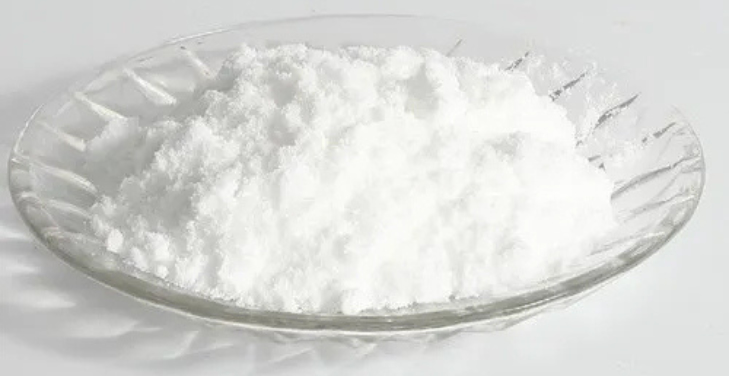
D-mannose may help prevent certain urinary tract infections.
What Is D-Mannose?
D-mannose has attracted attention in the field of urinary tract health due to its natural origin and unique mechanism of action. This compound is found in many foods and is widely used as a dietary supplement. Many people are interested in D-mannose as a solution to support the balance of the urinary tract environment.
Natural Sugar Found in Plants
D-mannose is a simple sugar belonging to the monosaccharide group. The body absorbs this compound rapidly through the digestive tract. Many fruits contain natural D-mannose, such as cranberries, apples, peaches, and oranges. Supplements are often available in powder or capsule form, convenient for daily use.
How the Body Processes D-Mannose
After absorption, D-mannose enters the bloodstream and travels to the urinary system. The kidneys filter this compound and excrete it in the urine. This process creates a favorable environment for maintaining urinary tract health.
Role in Urinary Tract Health
D-mannose supports the balance of bacteria in the urinary tract. This sugar molecule interacts with several bacteria commonly found in the bladder. This interaction helps maintain the natural flow of urine and contributes to maintaining a stable urinary environment.
Why D-Mannose Has Become Popular for UTIs
Urinary tract infections (UTIs) cause significant discomfort and directly impact daily life. Many people seek natural solutions to support bladder health. D-mannose has quickly gained attention in the healthcare community due to its mechanism of action related to the urinary system.
Growing Awareness of Urinary Health
Awareness of urinary health has increased significantly in recent years. Consumers are actively seeking nutrients that support bladder and urinary tract health. D-mannose frequently appears in urinary system care products and receives considerable attention from the health-conscious community.
Scientific Interest in Bacterial Interaction
Many studies focus on how D-mannose interacts with bacteria in the urinary tract. This sugar molecule binds to the surface of some common bladder bacteria. This mechanism helps promote the elimination of bacteria through the natural flow of urine.
Convenient Supplement Form
D-mannose is available in convenient soluble powder or capsule forms. Users can easily add it to their daily health care routine. This convenience contributes to the popularity of D-mannose in urinary tract support products.
Pros of Using D-Mannose Supplements
D-mannose is increasingly appearing in products that support urinary health. Users are interested in this compound for its convenience and its mechanism of action against bladder bacteria. Proper supplementation helps many people maintain a proactive and regular urinary tract care routine.
Supports Urinary Tract Balance
D-mannose helps maintain a stable environment in the urinary tract. This sugar molecule binds to certain bacteria commonly found in the bladder. This binding helps eliminate bacteria through urine, thereby helping maintain the smooth functioning of the urinary system.
Easy to Incorporate Into Daily Routines
D-mannose is available in capsule and powder form. Users can easily mix it with water or supplement it with other dietary supplements. The usage routine is quick and convenient, fitting into busy lifestyles.
Widely Available as a Dietary Supplement
Many nutritional brands offer D-mannose products in various dosages. Supplement stores, pharmacies, and e-commerce platforms all distribute them widely. This availability makes the product easily accessible to consumers.
Potential Cons of D-Mannose
D-mannose offers many benefits for urinary tract health; however, its use also comes with certain limitations. Users need to understand these factors to make a choice that suits their individual needs. A full understanding of the limitations makes supplementation more proactive and thoughtful.
Limited Scope of Action
D-mannose primarily targets certain bacteria commonly associated with urinary tract infections. Some other bacterial strains remain in the urinary system and affect bladder health. Therefore, the effectiveness depends on the type of bacteria and the individual's health condition.
Dependence on Consistent Intake
The effectiveness of D-mannose depends on consistent use. Many people maintain a daily dose to facilitate bacterial elimination. The habit of supplementation requires persistence and regular monitoring.
Quality Differences Between Supplements
The supplement market offers many D-mannose products with varying origins and manufacturing processes. Active ingredient content, purity, and testing standards create differences between brands. Consumers often take the time to research and choose products that best suit their health needs.
Who May Benefit Most From D-Mannose
D-mannose has attracted the attention of many groups due to its ability to support the urinary tract environment. Several groups are particularly interested in this compound as part of their daily health care strategy. Understanding the right group helps make supplement choices more targeted and effective.
Individuals With Frequent Urinary Discomfort
Some people frequently experience burning or discomfort during urination. D-mannose supports the natural flow of urine and contributes to a stable bladder environment. This group often turns to D-mannose as part of their urinary care routine.
Women Seeking Urinary Tract Support
Women are particularly concerned about urinary tract health due to their unique anatomical structure. D-mannose offers a convenient supplement option for maintaining a stable urinary environment. Many women add this compound to their daily health care regimen.
People Focused on Preventive Wellness
A segment of users proactively develops preventative health care strategies. D-mannose has become a popular choice in supplement programs aimed at balancing the urinary system. Its use is often accompanied by habits such as drinking enough water and maintaining a healthy lifestyle.
Who Should Use D-Mannose With Caution
D-mannose offers potential benefits for urinary tract health; however, certain groups of people should exercise caution before using it. Assessing individual health conditions helps ensure appropriate supplementation. Caution is key to making safe and responsible choices.
People With Blood Sugar Concerns
D-mannose is a simple sugar involved in metabolic processes in the body. Individuals concerned about blood sugar balance often monitor their daily sugar intake. Supplementation with D-mannose requires careful consideration within an overall nutritional plan.
Individuals With Kidney Sensitivity
The kidneys play a role in filtering and eliminating D-mannose through urine. Individuals with sensitive kidneys are often mindful of compounds passing through their excretory system. Monitoring kidney health helps ensure stable supplementation.
Pregnant or Breastfeeding Women
Pregnant and breastfeeding women always prioritize safety in all their nutritional choices. Considerations for D-mannose supplementation are usually linked to professional advice to ensure the health of both mother and child.
Tips for Using D-Mannose Safely
D-mannose has become a popular choice in many urinary tract health supplements. Proper use helps maximize the benefits of this compound and maintain its stability in the body. Several simple principles help ensure effective and controlled supplementation.
Follow Appropriate Dosage Guidance
Dosage is crucial when using D-mannose. Users typically refer to the product label instructions or their personal nutrition plan. Maintaining a consistent dosage helps the body absorb this compound in a balanced way.
Stay Well Hydrated
Water supports the transport and elimination of D-mannose through the urinary system. Drinking enough water helps maintain the natural flow of urine. This contributes to a stable environment for the bladder.
Choose High-Quality Supplements
Product quality directly impacts its effectiveness. Consumers often prioritize brands that are transparent about their raw material sources and testing standards. Careful selection helps ensure the purity and reliability of D-mannose.
Conclusion
D-mannose offers significant value in urinary tract health care. This compound occurs naturally, is easily supplemented, and fits into many modern dietary habits. Many people choose D-mannose as part of their strategy to maintain urinary system balance.
Understanding its benefits, limitations, and proper use makes supplementation more effective. Choosing a quality product, maintaining the appropriate dosage, and incorporating a healthy lifestyle contribute to long-term bladder health.
Frequently Asked Questions (FAQs)
- How does D-mannose work in the body? – D-mannose moves quickly through the digestive system and enters the bloodstream. The kidneys filter the compound and excrete it in the urine. This sugar molecule can bind to certain bacteria in the bladder, supporting the body's natural elimination process.
- Can D-mannose be taken daily? – Many people include D-mannose in their daily wellness routine. A consistent dosage may help maintain its presence in the urinary system. Supplement use is typically paired with proper hydration and a balanced lifestyle.
- What forms does D-mannose commonly come in? – D-mannose supplements are commonly available as powders and capsules. Powder dissolves easily in water and is simple to consume, while capsules provide a convenient option for people with busy schedules.
- When is the best time to take D-mannose? – Many individuals take D-mannose in the morning or before bedtime. The timing often depends on personal habits and health routines. Regular and consistent use may help maintain its effectiveness.
- Can D-mannose be combined with other supplements? – Some people combine D-mannose with other urinary tract supplements such as cranberry or probiotics. This combination can support a more comprehensive wellness approach, depending on individual health needs.
