
Astaxanthin opens a journey of body care rich in energy and biological color. The orange-red hue of this carotenoid evokes a sense of vibrancy, inspiring confidence in each cell's self-protective abilities. The body receives this nutrient as a signal of regeneration.
Readers approach the topic with curiosity and positive expectations. The fast-paced lifestyle prompts the choice of solutions to support endurance, skin, and vision. Astaxanthin becomes an inspiring highlight in personal health strategies.
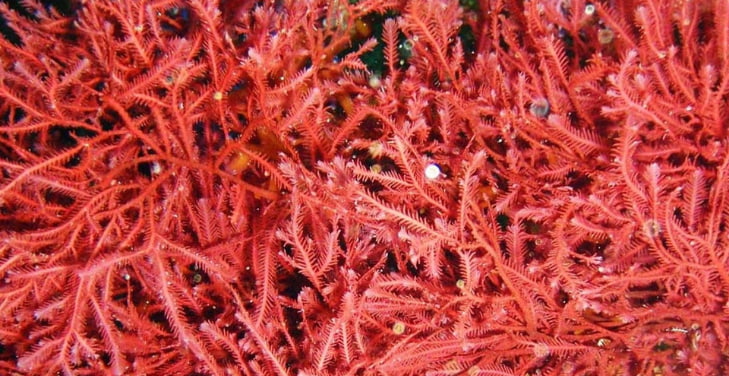
Astaxanthin offers antioxidant support but may cause mild side effects in some users.
What Is Astaxanthin and Why Is It Popular
Astaxanthin is a red-orange carotenoid found in microalgae and marine organisms. This active ingredient has garnered attention for its ability to protect cells from oxidative stress. Consumers seek astaxanthin in supplements and skincare products to enhance biological resilience and maintain radiant skin.
Origin and Natural Sources
The algae Haematococcus pluvialis produces high levels of astaxanthin under harsh environmental conditions. Salmon, shrimp, and mollusks accumulate this pigment through the food chain. The marine biochain provides a rich source of naturally occurring astaxanthin.
Rising Interest in Supplements
The supplement industry offers astaxanthin in capsule and softgel forms to support eye, skin, and cardiovascular health. Users are interested in its powerful antioxidant effects and ability to maintain energy during exercise.
Role in Modern Wellness Trends
Modern lifestyles drive the need to protect cells and maintain a youthful appearance. Astaxanthin has become a prominent choice in holistic health care strategies.
How Astaxanthin Works in the Body
Astaxanthin functions in the body as a uniquely structured antioxidant molecule. This molecule penetrates cell membranes, stabilizes the phospholipid bilayer, and protects biological structures from oxidative stress. The biological activity of astaxanthin creates a chain of effects that spreads from the cellular level to the entire system.
Cellular Antioxidant Defense
Astaxanthin neutralizes free radicals through its flexible electron-donating and electron-accepting capabilities. Its double conjugated structure helps the molecule absorb excess energy and mitigate oxidative reactions. Cells maintain membrane integrity, intracellular enzymes function more efficiently, and mitochondria produce stable energy.
Inflammatory Pathway Modulation
Astaxanthin modulates biological signals involved in inflammatory responses. This molecule acts on transcription factors, thereby directing gene expression towards balance. Muscle and connective tissues maintain flexibility, and fatigue is gradually reduced during high-intensity exercise.
Mitochondrial Energy Support
Astaxanthin protects mitochondria from prolonged oxidative stress. The cellular respiration chain runs smoothly, and ATP production increases steadily. The body maintains stamina and alertness in an active lifestyle.
Nutritional and Supplemental Forms Available
Astaxanthin is found in seafood and in supplements in various formulations. Users choose sources that suit their health goals, eating habits, and activity levels. The naturally occurring, bioactive form is attracting widespread attention in the healthcare market.
Natural Dietary Sources
Salmon, shrimp, crab, and microalgae provide astaxanthin along with quality lipids and proteins. High-fat meals support efficient carotenoid absorption. Fresh food sources provide a complete nutritional profile and support a balanced diet.
Supplement Formats and Delivery
Softgel capsules containing algal oil enhance lipid solubility and improve bioavailability. Tablets and soluble powders cater to flexible needs in busy schedules. Common dosages range from 4 to 12 mg per day, depending on the goal.
Quality and Source Transparency
Products derived from Haematococcus pluvialis exhibit high purity. The cultivation process, controlled by light and nutrients, optimizes pigmentation. Transparent product labeling builds trust and supports informed choices.
Pros of Astaxanthin
Astaxanthin offers a wide range of biological benefits thanks to its potent antioxidant structure and lipid solubility. This active ingredient penetrates deep into cell membranes, maintaining structural integrity and promoting physiological performance. Users are interested in astaxanthin for its potential to support skin, eyes, muscles, and the immune system.
Potential Antioxidant Activity
Astaxanthin neutralizes free radicals, stabilizes cell membranes, and protects DNA. Its conjugated molecules absorb excess oxidative energy, thereby maintaining homeostasis. Cells maintain metabolic efficiency and reduce oxidative stress in high-intensity environments.
Skin and Eye Vitality
Astaxanthin supports skin elasticity, maintains moisture, and enhances natural radiance. The retina receives biological protection, and vision remains sharp in bright light. Skin and eyes reflect a state of stable health.
Exercise Recovery and Endurance
Astaxanthin promotes muscle recovery after exercise, optimizing mitochondrial energy production. Muscles maintain endurance, and fatigue is reduced quickly after workouts. Exercisers achieve high performance and maintain a stable exercise rhythm.
Cardiometabolic and Immune Support
Astaxanthin supports circulation, maintains vascular flexibility, and promotes a balanced immune response. The body maintains abundant energy and strong resistance in an active lifestyle.
Cons of Astaxanthin
Astaxanthin exhibits potent biological activity and produces several physiological responses that require monitoring with long-term use. Each person's body responds differently, depending on the dose, health background, and metabolic environment. Users should be aware of potential side effects during supplementation.
Digestive and Neurological Responses
Some people experience bloating, changes in bowel movements, or mild headaches when they first start using it. The digestive system adjusts to the presence of fat-soluble carotenoids. Understanding your body's response helps determine the appropriate dosage for your individual circadian rhythm.
Pigmentation and Visual Changes
Astaxanthin is a deep orange-red pigment that can affect skin color, stool, or urine in some cases. Changes in body color reflect the presence of carotenoids in tissues. Users should recognize these changes as biological signals.
Medication and Health Condition Considerations
Astaxanthin interacts with certain medications related to blood pressure, immunity, and lipid metabolism. Individuals with specific health conditions should monitor their body's reaction when taking supplements. Planned use helps maintain physiological balance.
Who May Benefit Most From Astaxanthin
Astaxanthin is suitable for many groups of people seeking biological endurance and cellular recovery. This active ingredient helps the body adapt to a high-intensity lifestyle, an environment rich in oxidative stress, and the need to maintain a healthy appearance. The choice of users depends on individual health goals and physiological characteristics.
Athletes and Active Individuals
Regular exercisers benefit from its ability to support mitochondria and muscle recovery. Astaxanthin helps maintain endurance, optimize energy production, and increase feelings of well-being after exercise. Heart rate and muscle function remain stable during prolonged workouts.
High Oxidative Stress Lifestyles
Individuals working in high-stress environments or exposed to strong light turn to astaxanthin to strengthen cellular defenses. This antioxidant molecule helps maintain homeostasis and supports mental focus.
Skin and Eye Health Seekers
Those concerned with radiant skin and clear vision use astaxanthin to strengthen the biological barrier. Skin maintains elasticity and moisture, and eyes retain flexibility under varying lighting conditions.
Who Should Use Caution
Astaxanthin offers numerous biological benefits, but caution is required in certain groups with unique physiological characteristics. The body responds based on hormonal levels, medications, and current health status. Identifying these groups helps develop a safe and controlled supplementation strategy.
Pregnancy and Breastfeeding Considerations
Pregnant and breastfeeding women need to assess the dosage and timing of supplementation based on their individual nutritional needs. Hormonal changes and lipid metabolism affect the body's absorption of carotenoids. Decisions to use should be accompanied by close monitoring of the body's response.
Medication and Clinical Monitoring
Individuals taking medications for blood pressure, immune function, or lipid metabolism should monitor for biointeractions when supplementing with astaxanthin. The active ingredient affects inflammatory signaling and circulatory flow. A history of medications and dosages forms the basis for an appropriate supplementation plan.
Conclusion
Astaxanthin plays a prominent role in modern healthcare strategies. This active ingredient supports cell protection, enhances bioenergy, and maintains a radiant appearance. Users build supplementation habits based on personal goals and metabolic needs.
Understanding the benefits, risks, and dosage forms is the basis for proactive decision-making. Astaxanthin supports physical endurance and homeostasis during an active lifestyle.
Frequently Asked Questions (FAQs)
- How does astaxanthin work in the body? – Astaxanthin penetrates cell membranes, neutralizes free radicals, and maintains the lipid bilayer structure. This molecule supports mitochondrial energy production, promotes biological inflammatory balance, and helps protect eye, skin, and muscle tissue from oxidative stress.
- What is the common dosage of astaxanthin? – Many adults choose 4–12 mg per day depending on health goals and activity level. Taking it with a meal containing fat helps increase absorption. The body responds to dosage and consistent use.
- How does astaxanthin benefit skin and eyes? – Astaxanthin supports skin elasticity, enhances hydration, and promotes a radiant complexion. The retina receives antioxidant protection, helping maintain visual sharpness. This active ingredient contributes to the stability of collagen structure and light response.
- Who should exercise caution when using it? – Pregnant women and individuals taking blood pressure or immune-boosting medications should monitor their bodies' reactions when supplementing. Astaxanthin affects inflammatory signaling and lipid metabolism. Dosage adjustments should be based on individual health conditions.
- Should you choose astaxanthin from food or supplements? – Seafoods like salmon and shrimp provide natural astaxanthin along with other nutrients. Supplements from Haematococcus pluvialis algae offer a consistent dose. The choice should be based on nutritional goals, eating habits, and lifestyle.
