
Potassium sorbate is silently present in many familiar foods and directly impacts daily health. This preservative is closely associated with fast-paced lifestyles, convenient meals, and modern consumption habits.
As exposure frequency increases, the body exhibits more pronounced biological responses. Understanding potassium sorbate offers deeper insights into the connections among food additives, bodily sensations, and proactive nutritional strategies for long-term health.
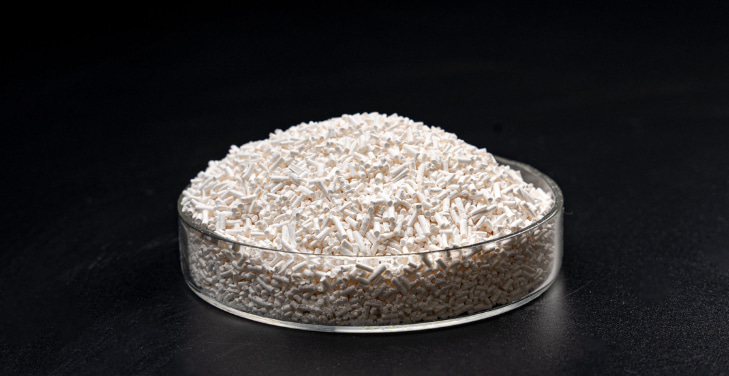
Potassium sorbate may cause health concerns for sensitive individuals with frequent exposure.
What Is Potassium Sorbate and Why Is It Commonly Used
Potassium sorbate is a familiar preservative in the modern food industry. From a nutritionist's perspective, it's widely used due to its ability to control microorganisms and maintain product quality for extended periods. The presence of potassium sorbate reflects the need to balance food safety with the convenience of a modern lifestyle.
Chemical Nature and Origin
Potassium sorbate is the potassium salt of sorbic acid, derived from natural compounds in berries. The salt form increases water solubility, thereby enhancing preservation effectiveness in a variety of food environments.
Role in Food Preservation
This substance inhibits the growth of yeasts and molds. As a result, food retains its structure, flavor, and stability throughout its shelf life.
Why Manufacturers Rely on It
Potassium sorbate allows manufacturers to extend shelf life while maintaining product sensory qualities. This supports a smooth-running food supply chain that meets large-scale consumer demand.
How Potassium Sorbate Interacts With the Body
From a nutritional perspective, potassium sorbate is absorbed as a well-defined compound. Its interactions reflect how the body processes water-soluble food additives, with rapid, orderly, and biologically characteristic steps.
Absorption and Metabolic Processing
After consumption, potassium sorbate is primarily absorbed in the gastrointestinal tract. It is quickly metabolized into sorbic acid, which then participates in the body's familiar energy metabolism pathways. The liver plays a central role in processing, helping the compound integrate into natural biochemical processes.
Elimination and Physiological Response
The metabolites of potassium sorbate are excreted in the urine within a short time. This process is synchronized with overall metabolic activity, leading to a more pronounced physiological response in sensitive individuals. The way the body responds reflects individual differences in enzymes and metabolic rates.
Short-Term Reactions Linked to Potassium Sorbate
Short-term reactions to potassium sorbate are quite pronounced in sensitive individuals. Symptoms appear soon after exposure, reflecting the body's immediate response to this water-soluble food additive. The intensity of the reaction depends on the dose, frequency, and individual physiological characteristics.
Digestive Sensitivity Signals
Some people experience bloating, mild discomfort, or changes in bowel movements. This reaction is directly related to the interaction of potassium sorbate with the gastrointestinal mucosa.
Skin and Contact Responses
The skin may exhibit transient itching, redness, or irritation. These signs usually appear upon direct contact through food or cosmetics containing this preservative.
Neurological and General Discomfort
Feeling tired, mild headache, or difficulty concentrating have been reported in some cases. This response is linked to the body's rapid metabolism.
Individual Sensitivity Patterns
Each body reacts in its own way, based on enzymes, the immune system, and overall health status. This creates a remarkable diversity in short-term responses.
Potential Long-Term Health Concerns
Long-term concerns about potassium sorbate stem from repeated exposure in the modern diet. As this preservative becomes more common in everyday foods, the body develops cumulative biological responses that manifest across various systems.
Cumulative Exposure and Metabolic Load
Long-term consumption of potassium sorbate places constant metabolic stress on the liver and enzyme system. This highlights the role of individual detoxification capabilities and the rate of biological adaptation of each individual.
Chronic Sensitivity Development
Some individuals develop chronic sensitization, manifesting as skin reactions, digestive issues, or general discomfort. This reflects the long-term adjustment of the immune system to repeated exposure.
Systemic Health Implications
Prolonged exposure to potassium sorbate can disrupt overall physiological balance. Subtle changes in the internal environment lay the groundwork for the development of health problems over time.
Potassium Sorbate and Allergic-Type Responses
Potassium sorbate is often associated with allergic reactions in certain groups of people. These reactions reflect how the immune system recognizes and responds to the bioactive food additive, especially with repeated exposure in the daily diet.
Immune System Activation Pathways
In some individuals, potassium sorbate triggers an immune response via histamine release. This process manifests clearly through the skin, respiratory tract, or digestive system, producing a rapid and easily recognizable response signal.
Why Sensitivity Varies Between Individuals
The severity of allergic reactions depends on genetic background, enzyme status, and immune system health. Sensitive individuals tend to respond more strongly, suggesting that individual differences play a central role in the response to potassium sorbate.
Effects on Gut Microbiota Balance
From a modern nutritional perspective, the gut microbiota plays a central role in overall health. The frequent presence of potassium sorbate in the diet can significantly alter biological interactions with the gut bacterial population, thereby affecting endogenous balance.
Interaction With Beneficial Bacteria
Potassium sorbate directly impacts the gut environment, where beneficial bacteria live and thrive. The presence of this preservative alters growth conditions, thereby reshaping the microbiome structure.
Shifts in Microbial Diversity
Prolonged exposure to potassium sorbate promotes changes in the density and diversity of gut bacteria. These changes reflect the digestive system's biological adaptability to factors from processed foods.
Implications for Digestive Function
The microbiota is directly affected by digestion and nutrient absorption. When the balance of bacteria changes, gut sensations and digestive circadian rhythms also become more pronounced in each individual.
Potassium Sorbate in Processed and Packaged Foods
Potassium sorbate is commonly found in processed and packaged foods as an essential part of modern preservation systems. Its presence reflects the trend toward fast-moving consumer goods, long shelf lives, and globalized food supply chains.
Common Food Categories Using Potassium Sorbate
Potassium sorbate is often found in baked goods, sauces, bottled beverages, dairy products, and lightly fermented foods. These food groups require strict microbiological control to maintain consistent quality.
Why Packaged Foods Depend on Preservatives
Packaged foods require long-term resistance to yeasts and molds. Potassium sorbate meets this requirement due to its stability and high solubility.
Dietary Patterns and Exposure Frequency
Diets rich in processed foods increase exposure frequency to potassium sorbate. Exposure levels directly reflect daily food choice habits.
Cumulative Intake Through Modern Diets
Consuming a variety of packaged foods throughout the day results in cumulative intake. This makes potassium sorbate a significant factor in long-term nutritional assessment.
Children and Potassium Sorbate Exposure
Children's exposure to potassium sorbate is particularly significant because their bodies are in a period of growth and physiological maturation. The level of influence of this preservative is linked to weight, metabolic rate, and early-forming eating habits.
Body Weight and Proportional Intake
Children have lower body mass than adults, so the same amount of potassium sorbate results in a relatively higher exposure. This makes the physiological response more pronounced.
Developing Digestive and Immune Systems
Children's digestive and immune systems are still developing. Potassium sorbate interacts directly with the gut environment, affecting digestive circadian rhythms and immune responses.
Dietary Habits and Early Exposure
Packaged foods, snacks, and processed beverages increase the frequency of early exposure. This habit shapes the foundation of nutrition and body perception during development.
Regulatory Safety Limits and Ongoing Debate
Potassium sorbate is strictly regulated through international regulatory frameworks. Safety limits reflect efforts to balance effective food preservation and public health, while also opening up ongoing scientific discussions.
Established Safety Thresholds
Many regulatory agencies, including the U.S. Food and Drug Administration and the European Food Safety Authority, have established acceptable daily intake levels. These thresholds are based on toxicity, metabolism, and biotolerance data.
Scientific Basis for Regulation
Safety limits are formed from long-term research, animal testing, and real-world exposure assessments. This approach provides a clear scientific basis for the use of potassium sorbate in food.
Why the Debate Continues
The increase in processed foods and cumulative exposure is driving new discussions. These differing viewpoints reflect concerns about individual sensitivities and modern nutritional trends.
Practical Ways to Reduce Potassium Sorbate Intake
Actively controlling your intake of potassium sorbate helps maintain a stable biological balance. The strategy of reducing exposure focuses on food awareness and smart daily nutritional choices.
Label Awareness and Ingredient Literacy
Reading ingredient labels allows for quick identification of potassium sorbate in the list of additives. This skill helps consumers make purposeful, consistent dietary decisions.
Choosing Fresh and Minimally Processed Foods
Fresh, home-cooked, and minimally processed foods offer higher nutritional value. This food group naturally reduces the intake of preservatives.
Balanced Dietary Patterns
A varied diet prioritizing vegetables, fruits, and whole grains lays the foundation for long-term health. This balance helps limit cumulative exposure to potassium sorbate.
Mindful Consumption Habits
Mindful eating encourages listening to your body's feedback. This habit strengthens the positive link between nutrition and overall health.
Conclusion
Potassium sorbate is a common preservative in the modern diet. Understanding how this substance is present in food helps improve nutritional awareness and self-control in food choices.
Repeated exposure directly reflects daily consumption habits. When individuals proactively read labels, prioritize fresh foods, and build balanced diets, their bodies maintain a more stable, harmonious physiological state.
Frequently Asked Questions (FAQs)
- What is potassium sorbate, and where is it commonly found? – Potassium sorbate is a preservative widely used in processed foods such as baked goods, sauces, bottled beverages, and dairy products to maintain stability and quality.
- How does potassium sorbate affect the body? – Once consumed, potassium sorbate is quickly absorbed and metabolized through liver and enzyme activity. Individual responses vary depending on metabolic efficiency.
- Who is more sensitive to potassium sorbate? – People with sensitive constitutions, strong immune reactions, or frequent intake of processed foods may experience more noticeable effects. Genetics and existing health conditions also play a role.
- Is potassium sorbate related to gut health? – Potassium sorbate interacts with the gut environment and microbiome. Repeated exposure may influence bacterial balance, digestion, and everyday gut comfort.
- How can potassium sorbate intake be controlled in the diet? – Reading labels, limiting processed foods, and cooking at home help reduce exposure. Maintaining dietary variety supports long-term health and internal balance.
