
Milk thistle offers hope to those deeply concerned about liver health and overall well-being. This herb carries a long history, clear biological value, and strong appeal in the modern nutritional world.
Each supplement represents a desire to protect, regenerate, and nourish from within. Understanding milk thistle helps readers feel more proactive, reassured, and deeply connected to their long-term health journey.
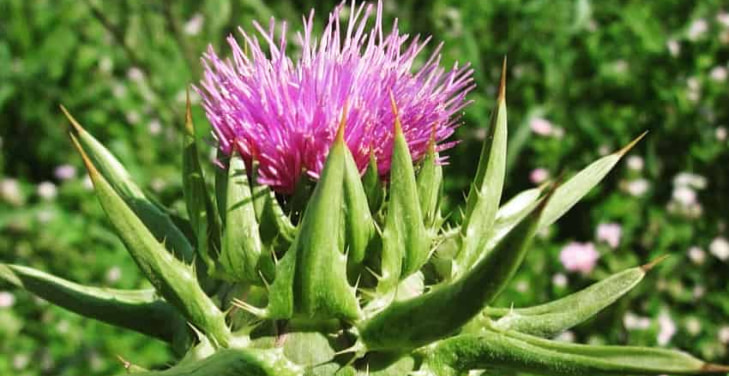
Milk thistle offers balanced benefits and drawbacks for liver health and supplement decisions.
What Is Milk Thistle?
Milk thistle is a highly valued herb in functional nutrition due to its direct link to liver health. This plant possesses distinct biological characteristics, a long history of use, and growing scientific interest. In modern nutritional practice, milk thistle represents a group of herbs that support the body's central detoxification organ.
Botanical Overview
Milk thistle, scientifically known as Silybum marianum, belongs to the Asteraceae family and thrives in the Mediterranean region. The plant is notable for its green leaves with white edges and its characteristic purple flowers, which produce seeds rich in bioactive compounds.
Active Compound: Silymarin
Silymarin is a flavonolignan complex extracted from milk thistle seeds. This compound plays a central role in protecting liver cells and enhancing endogenous antioxidant capacity.
Common Supplement Forms
Milk thistle is commonly used in capsule, tablet, powder extract, or herbal tea forms. The standardized silymarin form optimizes absorption and bioavailability.
Pros of Milk Thistle for Liver Health
Milk thistle offers outstanding value for liver health due to its ability to directly impact cell structure and key biochemical processes. In applied nutrition, this herb is considered a fundamental choice for liver support, suitable for long-term liver protection and maintenance of liver function.
Liver Cell Protection
Milk thistle promotes liver cell membrane stability, increasing resistance to biological stressors. The active compounds in this herb support liver cell regeneration and maintain liver tissue integrity.
Antioxidant Activity
Milk thistle activates endogenous antioxidant mechanisms, helping to neutralize free radicals in the liver. This activity helps reduce oxidative stress and create a favorable biological environment for efficient liver function.
Detox Pathway Support
Milk thistle enhances the efficiency of the liver's detoxification pathways. The smooth metabolism and elimination of exogenous compounds help the liver maintain its central role in homeostasis.
Additional Health Benefits
Beyond its role in supporting the liver, milk thistle extends its positive influence to many important physiological systems. In holistic nutrition practices, this herb is considered a factor in supporting metabolic balance, enhancing overall health, and improving quality of life through multifaceted biological mechanisms.
Digestive Support
Milk thistle supports stable bile flow and promotes efficient digestion. The absorption of nutrients is smooth, helping the digestive system function harmoniously and maintaining a feeling of lightness in the stomach.
Blood Sugar Balance
Milk thistle helps stabilize glucose metabolism and improve insulin sensitivity. This mechanism supports sustainable energy control and lays the foundation for long-term metabolic health.
Skin and Anti-Aging Relevance
Milk thistle supports the skin through its antioxidant and endogenous detoxification mechanisms. Skin cells remain healthy, skin tone becomes brighter, and the biological aging process is effectively controlled.
Cons and Potential Side Effects
Milk thistle has certain limitations when used as part of a regular supplement regimen. From a clinical nutritional perspective, identifying potential reactions helps individuals proactively adjust dosage and choose the appropriate time of use based on their physical condition.
Digestive Discomfort
Milk thistle may cause bloating and changes in digestive rhythm during the initial period of use. The digestive system reacts flexibly to concentrated bioactive substances, especially when the dose is increased rapidly.
Headaches and Mild Reactions
Milk thistle triggers mild physiological reactions such as transient headaches and short-term fatigue. These manifestations reflect the body's adaptation to the new metabolic mechanism.
Individual Tolerance Differences
Milk thistle exhibits varying tolerance levels among individuals. Genetic factors, health background, and dietary habits directly influence the experience of using this herb.
Drug and Supplement Interactions
Milk thistle's involvement in the hepatic metabolic system makes it a subject of significant biological interactions. In applied nutrition, identifying the interactions between milk thistle and other pharmaceuticals helps individuals develop safe, controlled supplementation strategies.
Liver-Metabolized Medications
Liver enzymes play a central role in drug metabolism, and their activity is significantly affected when milk thistle is introduced into the body. The drug's processing rate, therefore, changes, leading to fluctuations in the concentration of the active substance in the blood.
Blood Sugar-Related Drugs
At the metabolic level, glucose regulation occurs concurrently with milk thistle use. When combined with blood glucose control medications, the physiological response becomes more pronounced and requires active monitoring.
Hormonal Therapies
The endocrine system is highly sensitive to bioactive compounds derived from herbs. In this context, milk thistle influences hormonal responses and necessitates individualized assessments in endocrine-related treatment protocols.
Hormonal and Long-Term Use Concerns
Long-term use of milk thistle raises significant concerns regarding hormonal balance and the body's biological adaptation. From a nutritional perspective, this herb needs to be evaluated not only for its short-term benefits but also for its cumulative effects on the hormonal system.
Estrogen-Related Activity
The bioactive compounds in milk thistle exhibit a certain correlation with estrogenic activity. This interaction influences endocrine signaling and produces noticeable physiological changes in hormone-sensitive individuals.
Reproductive Health Considerations
The reproductive system responds directly to prolonged hormonal regulation. Continuous milk thistle supplementation alters the baseline hormonal milieu, thereby influencing the physiological cycle and overall reproductive state.
Prolonged Supplementation Awareness
Long-term use of milk thistle promotes the biological adaptation of the liver and endocrine system. A planned, cyclical, and professionally supervised approach helps maintain long-term health effectiveness and stability.
Dosage and Quality Considerations
Dosage and quality directly determine the bioavailability of milk thistle in nutritional practice. Choosing the right dosage and source material lays the foundation for stable absorption and a sustainable long-term experience.
Typical Dosage Ranges
Milk thistle dosages are typically designed based on standardized silymarin content. Common usage levels supporting liver function fall within a range suitable for adult physiology and can be easily adjusted to individual needs.
Standardized Extracts
Standardized extracts ensure a consistent silymarin ratio in each dose. This approach provides high reliability and supports clear control of bioavailability.
Supplement Quality Issues
Product quality depends on the seed source, extraction process, and manufacturing standards. Prioritizing transparent branding enhances safety and long-term nutritional value.
Conclusion
Milk thistle demonstrates significant value in supporting liver function, balancing metabolism, and protecting cells at multiple biological levels. A thorough understanding of its advantages and limitations helps users develop proactive, targeted, and personalized supplementation strategies.
Choosing appropriate dosages, focusing on product quality, and monitoring bodily responses lay the foundation for long-term effectiveness. This knowledge-based approach makes milk thistle a reliable nutritional tool in modern healthcare.
If you are interested in using milk thistle in pet care, learn more about milk thistle for dogs to broaden your perspective on safe use.
Frequently Asked Questions (FAQs)
- What is Milk Thistle and Why is It So Popular? – Milk thistle is an herb known for its high silymarin content. It is commonly used to support liver function, boost antioxidant activity, and assist the body’s natural detoxification processes in a balanced manner.
- Is Milk Thistle Really Good for the Liver? – Milk thistle works by protecting liver cells, supporting tissue regeneration, and reducing oxidative stress. These actions help the liver maintain stable metabolic function over the long term.
- How Long Does It Take to See Results from Milk Thistle? – Most people notice benefits after a few weeks of consistent use. The timeline varies depending on dosage, supplement quality, diet, and individual health factors.
- Does Milk Thistle Cause Side Effects? – Mild digestive changes or short-term discomfort may occur in some users. These effects are usually temporary and reflect normal biological adjustment.
- Who should consult a professional before using milk thistle? – Individuals on medication, hormone therapy, or with specific medical conditions should seek professional advice to tailor a safe and effective supplementation plan.
