
Microneedling is becoming a highly sought-after option among dermatologists due to its direct impact on the skin's regeneration mechanism. A 2024 review published on PubMed describes it as a minimally invasive dermatological procedure that creates controlled micro-injuries to promote collagen and elastin production.
According to the American Academy of Dermatology, microneedling can improve acne scars, wrinkles, skin pigmentation, and surface texture, clarifying the benefits and limitations to consider before treatment. Therefore, understanding the pros and cons of microneedling will help readers approach this method with realistic expectations and a more accurate skincare approach.
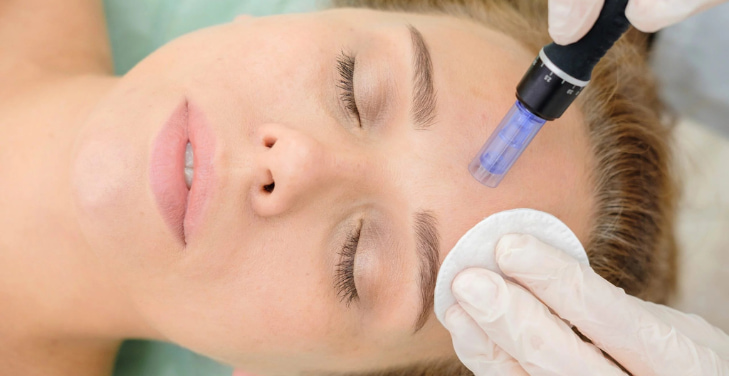
Microneedling creates controlled micro-injuries that support smoother, firmer, more even-looking skin.
What Is Microneedling and How Does It Work?
Microneedling is a technique that creates controlled micro-injuries on the skin's surface to activate the natural regeneration process. This method has attracted significant attention in cosmetic dermatology due to its direct impact on skin texture, firmness, and overall smoothness.
Mechanism of Controlled Micro-Injuries
Microneedling devices use multiple ultra-fine needles to create micro-channels in the epidermis and superficial dermis. This process awakens the skin's repair response, promotes cellular activity, and renews the skin's surface more evenly.
Stimulation of Collagen and Elastin
After the skin receives the micro-injury signal, the body increases collagen and elastin synthesis. These two components contribute to improved elasticity, firmer and smoother skin, and help fill in areas with small wrinkles or shallow acne scars.
Impact on the skin surface and absorption of active ingredients
Microneedling also helps to unclog pores, thereby increasing the skin's ability to absorb certain skincare active ingredients. Skin after treatment typically appears fresher, brighter, and smoother, with a more refined texture over time.
Why People Choose Microneedling for Skin Improvement
Microneedling appeals to many because it addresses a modern beauty need: improving skin in a streamlined, visible, and structured way. As the skin surface becomes more even, the feeling of youthfulness and refinement on the face increases rapidly.
Visible Skin Texture Goals
Many people seek microneedling to smooth the skin surface, help minimize the appearance of pores, and improve slightly rough skin after acne. The feeling of smoother, softer, and more even skin is a major draw for this method.
Support for Collagen Renewal
Microneedling stimulates the skin's regenerative process, thereby promoting firmer, more elastic skin. Those concerned about fine wrinkles, slight sagging, or signs of dull skin often prioritize this treatment.
Preference for Gradual Enhancement
Many people love the progressive results after each treatment session. The changes occur rhythmically and deeply, giving the feeling of naturally upgraded skin that is stable and harmonious with the overall facial features.
The Main Pros of Microneedling
Microneedling is gaining significant traction in cosmetic dermatology because it directly affects the skin's regenerative foundation. This method opens up a multi-layered approach to improvement, from the surface to the underlying supporting structure, thereby delivering noticeable value for various skincare goals.
Collagen Stimulation and Firmer Skin
The most prominent advantage of microneedling lies in its ability to stimulate collagen and elastin production. As these two components increase, the skin becomes firmer, more elastic, and more resilient. The skin surface also becomes smoother, brighter, and more vibrant with each stage of recovery.
Improvement in Texture and Post-Acne Marks
Microneedling helps soften rough skin texture, improve uneven skin tone, and promote a more uniform appearance. For those with shallow acne scars or post-acne marks, this method helps the skin surface look smoother, more refined, and more toned through a suitable treatment plan.
Broad Application for Common Skin Concerns
Another very noteworthy advantage is that microneedling addresses many needs with a single treatment. Fine lines, visible pores, dull skin, uneven texture, and decreased firmness can all benefit from this. This wide range of applications makes microneedling a popular choice for those who want to systematically improve their skin quality.
The Most Important Cons to Know Before Treatment
Microneedling offers many advantages, but its drawbacks are also clear and worth considering before starting the treatment. Understanding the disadvantages helps patients make informed decisions, prepare mentally, and set more realistic goals for their skin.
Temporary Skin Reactions and Recovery Demands
After treatment, the skin often appears red, slightly burning, tight, and sensitive for a period of time. The skin surface is also drier, more prone to flaking, and requires careful care to maintain its protective barrier. This recovery phase requires patience, consistency, and adherence to post-procedure care.
Multiple Sessions, Cost, and Result Variability
Microneedling typically requires multiple sessions to produce noticeable changes in acne scars, fine wrinkles, or uneven skin texture. Therefore, the cost increases with the number of treatments, the practitioner's skill, and the technology used. The final results also depend heavily on individual factors, initial skin condition, and the quality of the accompanying skincare regimen.
At-Home vs. Professional Microneedling
At-home and professional microneedling both aim to improve skin surface, but the experience, depth of penetration, and level of control differ significantly. This difference directly impacts the effectiveness, safety, and speed of skin transformation with each treatment.
Device Depth and Skin Impact
At-home devices typically have a superficial impact on the skin's surface, suitable for achieving smoother skin and increased nutrient absorption. Professional devices penetrate deeper into the skin layers needing regeneration, thereby stimulating collagen production and renewing skin structure more effectively.
Precision and Treatment Planning
Dermatologists assess skin condition, select needle depth, and develop a treatment plan tailored to specific issues such as acne scars, visible pores, or fine wrinkles. This approach creates a clear treatment plan and more strategic results.
Safety and Hygiene Standards
A professional treatment environment maintains strict hygiene control while minimizing stress on the skin throughout the procedure. Standardized procedures facilitate skin recovery and maintain a more stable state after treatment.
Expected Results and User Experience
At-home microneedling typically provides a gradual, slight improvement. Professional microneedling produces more noticeable changes in smoothness, firmness, and overall texture, especially when the patient attends the full number of sessions and follows proper skincare routines.
Who May Be a Good Candidate for Microneedling?
Microneedling is suitable for individuals who want to improve skin quality in a clear, structured way and can consistently follow post-procedure care instructions. The effectiveness of this method is often more pronounced when the treatment goal is specific, and the skin has good regenerative capacity.
People With Mild to Moderate Texture Concerns
Those with rough skin texture, visible pores, shallow acne scars, or fine lines are often a suitable group. Microneedling directly impacts the regenerative process, helping make the skin firmer, smoother, and more even with each treatment session.
Individuals Seeking Structured Skin Rejuvenation
Those who want to improve skin firmness, increase radiance, and enhance their skin's overall appearance are also potential candidates. When experts accurately assess the skin condition, determine the appropriate needle depth, and closely monitor the treatment, microneedling can be a very promising option for gradual skin rejuvenation.
Who Should Be Cautious or Avoid It?
Microneedling requires careful consideration for highly sensitive skin or skin experiencing active dermatological conditions. Choosing the wrong timing for treatment can lead to a stronger reaction, slower recovery, and less stable improvement.
Active Inflammation and Unstable Skin Conditions
Individuals with widespread inflammatory acne, clearly irritated skin, open wounds, or flare-ups of skin conditions such as eczema and dermatitis need to be especially cautious. When the skin surface is under stress, the mechanical impact of the needle tip can easily increase the inflammatory reaction and prolong post-procedure discomfort.
People Prone to Pigment and Scar Response
Individuals with a predisposition to post-inflammatory hyperpigmentation or keloid scarring need to be carefully evaluated before treatment. In this group, the skin often reacts strongly to minor injuries, increasing the risk of unwanted discoloration or texture changes.
Medication and Healing Capacity Considerations
Individuals using strong topical agents or medications that affect the healing process also need careful screening. The skin's ability to recover directly determines the quality of the results, the smoothness of the recovery phase, and the overall safety of the treatment.
What to Expect: Pain, Downtime, and Cost
Before starting microneedling, many people are most concerned about the sensation during the procedure, the recovery time, and the cost. These three factors strongly influence the experience, the likelihood of continuing the treatment, and the level of satisfaction after each session.
Pain During the Procedure
The sensation during microneedling usually ranges from mild stinging to a noticeable burning in thin or sensitive skin areas. Numbing cream helps to make the skin more comfortable, while the needle depth and technique determine the intensity of sensation throughout the treatment.
Downtime After Treatment
After the procedure, the skin is usually red, tight, warm, and slightly rough for the first few days. Some people find their skin drier, peels smoother, and brighter as the regeneration process progresses smoothly.
Cost Per Session
The cost per session depends on the treatment facility, the specialist's expertise, the technology and equipment used, and the size of the area being treated. Intensive treatments for acne scars or full-face skin rejuvenation typically require a higher budget.
Long-Term Value
The true value of microneedling lies in the cumulative effect after each session. When the treatment is appropriate, and post-treatment care is followed correctly, the cost often translates into noticeable changes in skin texture and overall firmness.
Conclusion
Microneedling is a noteworthy option in modern skincare because it directly impacts the skin's natural regeneration process. This method offers the potential to improve texture, firmness, and overall appearance in a clear, phased manner.
The value of microneedling lies in choosing the right target, the right time, and the right protocol. When realistic expectations are coupled with accurate professional assessment, the beauty journey becomes more coherent, safe, and effective.
Frequently Asked Questions (FAQs)
- What are the benefits of microneedling for the skin? – Microneedling stimulates the skin's natural regenerative process, promoting collagen and elastin production. This process can help improve skin smoothness, firmness, shallow acne scars, visible pores, and early signs of aging on the skin's surface.
- Is microneedling painful? – The sensation during microneedling is usually mild tingling or a slight burning feeling, which may be more noticeable in areas with thinner skin. Numbing cream can make the treatment more comfortable, while the technique and needle depth largely influence the overall experience.
- How long does it take for the skin to recover after microneedling? – The skin is typically red, tight, and more sensitive during the first few days after treatment. As the skin follows its natural regeneration process, the surface usually becomes smoother, brighter, and more stable over time.
- Who is suitable for microneedling? – Microneedling is suitable for individuals who want to improve skin texture, address shallow acne scars, minimize visible pores, reduce fine wrinkles, or enhance skin firmness. Results are often more noticeable when the skin has good regenerative capacity and the treatment goals are clearly defined.
- Is at-home or professional microneedling better? – Professional microneedling generally offers greater precision, better control, and more consistent results for a wider range of skin concerns. Proper equipment, trained techniques, clinical assessment, and standardized hygiene procedures contribute to a safer and more reliable treatment experience.
