
The demand for natural immune-boosting solutions has surged amidst heightened public health concerns. Consumers are proactively choosing bioactive foods to help their bodies adapt to environmental pressures.
Manuka honey has emerged as a prominent trend in modern healthcare. Its high content of antimicrobial compounds and its concentrated nutritional value have fueled widespread interest and increasingly popular applications.
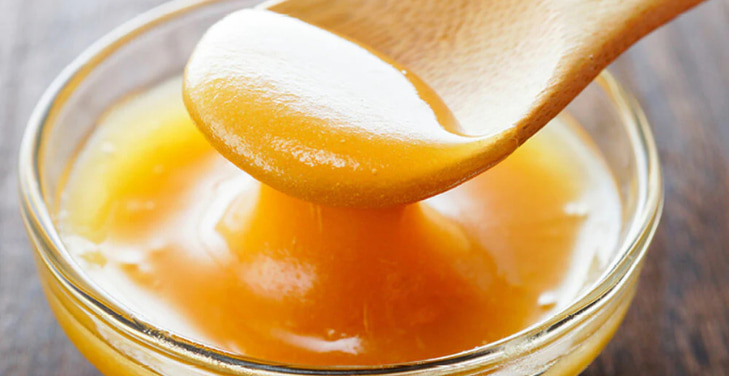
Manuka honey offers strong antibacterial benefits, but its high sugar content may be a concern for some people.
What Is Manuka Honey?
Manuka honey possesses outstanding biological value, attracting significant interest in modern medicine. This honey exhibits high biological activity and plays a crucial role in natural healthcare.
Origin and Botanical Source
Manuka honey is formed from the nectar of the Leptospermum scoparium tree in New Zealand. Bees collect nectar from this tree, creating a honey rich in bioactive compounds. The unique climate and soil conditions enhance the quality of the honey.
Unique Bioactive Compounds
Manuka honey contains a high concentration of methylglyoxal (MGO), giving it strong antibacterial properties. This active ingredient promotes bacterial control and supports tissue regeneration. Natural enzymes further enhance its biological efficacy.
UMF Rating System
The UMF system assesses the purity and efficacy of manuka honey. A high rating reflects superior quality and value in healthcare.
Nutritional Profile of Manuka Honey
This energy-rich honey offers a dense nutritional structure, combining natural sugars and highly valuable bioactive compounds. Its composition supports the body's efficient functioning and maintains homeostasis.
Macronutrient Composition
Manuka honey provides carbohydrates primarily from fructose and glucose, creating a stable energy flow for cells. Its low water content increases concentration and nutritional value per serving.
Antioxidant Density
Polyphenols and flavonoids are present in significant concentrations, contributing to the protection of cellular structures. These compounds promote antioxidant mechanisms and support long-term health.
Enzymes and Bioactive Factors
The natural enzyme system in manuka honey activates important biochemical reactions. Methylglyoxal and related compounds contribute to its outstanding bioactive value, promoting the body's protective and regenerative capabilities.
Top Health Benefits of Manuka Honey
Among many natural health care strategies, this special type of honey stands out for its ability to profoundly impact multiple organ systems. Manuka honey exerts noticeable biological effects, promoting the body's maintenance of a healthy, stable state.
Antibacterial and Immune Support
Manuka honey contains methylglyoxal, which has strong antibacterial activity, helping control harmful microorganisms. This compound stimulates the immune response and supports the body in strengthening its natural defenses.
Digestive Health Enhancement
The active enzymes in manuka honey promote smooth digestion. This honey helps soothe mucous membranes and supports the balance of the gut microbiome.
Wound Healing and Tissue Repair
Manuka honey stimulates tissue regeneration and promotes skin recovery. The honey's natural moisture helps accelerate wound healing and improve the quality of new tissue.
Skin and Wound Healing Applications
The skin directly reflects the body's recovery state, and powerful bioactive compounds significantly influence the healing process. Manuka honey plays a prominent role in skin care and actively supports tissue regeneration.
Wound Healing Mechanism
Manuka honey creates an ideal moist environment, stimulating cell proliferation and promoting the formation of granulation tissue. Methylglyoxal is highly effective at controlling bacteria and supporting wound cleansing.
Anti-inflammatory Skin Support
The anti-inflammatory compounds in manuka honey soothe sensitive skin and reduce irritation. The skin becomes more stable while maintaining its natural moisture.
Acne and Barrier Repair
Manuka honey helps balance the skin's microbiome, reducing acne and strengthening the protective barrier. Its thick texture helps lock in moisture and enhances skin surface repair.
Manuka Honey for Gut Health
The digestive system acts as the central hub of health, where all biological signals are processed and disseminated. When the gut maintains balance, the body exhibits remarkable stability. Manuka honey contributes to nurturing this environment through its characteristic active ingredients.
Microbiome Balance Support
Manuka honey provides compounds that help shape the gut microbiome in a beneficial direction. Methylglyoxal selectively supports the harmonious balance between bacterial strains.
Digestive Soothing Effects
The thick, viscous texture of manuka honey creates a gentle coating on the intestinal lining. A feeling of comfort quickly develops while simultaneously supporting improved digestive function.
Prebiotic-like Activity
The natural components in manuka honey promote the growth of beneficial bacteria. This process enhances nutrient absorption and improves overall metabolic efficiency.
Pros of Manuka Honey
The value of a natural product is clearly demonstrated through its biological effects and practical applications. Manuka honey offers numerous advantages, establishing a strong position in modern healthcare. Its effects are quick to appear, clearly noticeable, and long-lasting.
Potent Antibacterial Activity
Manuka honey contains a high concentration of methylglyoxal, which effectively controls bacteria. This active ingredient helps the body maintain a stable biological environment and promotes natural defenses.
Immune System Enhancement
Antioxidant compounds stimulate the immune response, helping the body adapt. Energy from natural sugars provides stamina for daily activities.
Versatile Therapeutic Uses
Manuka honey has versatile applications in nutrition, skincare, and recovery support. Users can easily integrate it into their daily routines to improve overall health.
Scientifically Supported Benefits
Numerous studies have documented the potent biological activity of manuka honey. This scientific value reinforces confidence and expands its application in medicine.
Cons of Manuka Honey
High value always comes with factors that need careful consideration. Manuka honey possesses strong biological properties, but these also create limitations for practical use. Clearly identifying these points helps optimize effectiveness and ensure long-term safety.
High Caloric Density
Manuka honey provides a large amount of energy from natural sugars, directly affecting total daily calorie intake. Regular consumption can easily increase energy load and impact weight.
Impact on Blood Sugar Levels
The high glucose and fructose content promote a rapid increase in blood sugar. The body reacts strongly to this change, especially in metabolically sensitive states.
Allergic Reactions and Sensitivity
Some individuals react to bee components and pollen. Sensitivity may appear on the skin or respiratory system, requiring caution during use.
Premium Cost Barrier
The specialized production process and high-quality standards result in manuka honey being priced higher. This factor affects its accessibility and long-term use.
Who Should Avoid Manuka Honey?
Each body reacts differently to bioactive substances. Identifying the right target group helps control risks and optimize effectiveness. Manuka honey is potent, so some groups need to carefully consider its use before incorporating it into their daily routine.
Infants and Immature Immune Systems
Infants have developing immune systems and immature digestive systems. The natural bacteria in honey directly impact their immature microbiome, affecting biological stability.
Individuals with Diabetes or Metabolic Sensitivity
Manuka honey contains concentrated sugars, which can significantly affect blood sugar levels. Individuals with metabolic disorders need close monitoring to maintain homeostasis.
People with Bee Product Sensitivities
Those sensitive to pollen or bee proteins are prone to strong bioactive reactions. Skin and respiratory signs reflect immune system activation.
How to Choose High-Quality Manuka Honey
Quality directly determines biological efficacy and usability. A correct choice offers clear benefits, while substandard products diminish the experience and expected results. Manuka honey requires accurate evaluation based on scientific criteria and specific identifying signs.
UMF Certification and Rating
The UMF rating reflects purity and the content of characteristic active ingredients. A high UMF level indicates strong antibacterial properties and significant health benefits.
MGO Content Verification
Methylglyoxal (MGO) content provides a direct measure of biological activity. The higher the number, the more pronounced and consistent the effect.
Origin and Authentic Labeling
Originating from New Zealand, transparent labeling ensures authenticity. High-quality packaging and clear information help users make informed decisions.
Best Ways to Use Manuka Honey Daily
Proper usage habits optimize biological value and maintain long-term effectiveness. Manuka honey unleashes its potential when flexibly integrated into daily life, from nutrition to personal care.
Morning Intake for Energy Boost
A spoonful of manuka honey in the morning provides quick energy and activates metabolism. The body becomes alert, ready for intellectual and physical activities.
Digestive Support Routine
Using manuka honey before meals supports smooth digestive function. The natural honey coats the mucous membranes, creating a pleasant and stable feeling.
Topical Skincare Application
Applying it directly to the skin helps maintain moisture and promotes surface recovery. The skin becomes softer and more protected against environmental factors.
Conclusion
Manuka honey has established itself as a natural solution rich in biological value, profoundly impacting immunity, digestion, and skin. Its effectiveness is evident through its various mechanisms of action, from antibacterial properties to tissue repair.
Choosing the right quality and using it appropriately maximizes its benefits. Regular use leads to sustainable improvement, helping build a solid foundation for daily health.
Frequently Asked Questions (FAQs)
- Can Manuka honey be used daily? – Daily use of Manuka honey can provide a steady source of natural energy and support immune function. Using an appropriate amount helps maintain metabolic balance and supports the body's ability to adapt to environmental stressors.
- How does Manuka honey support digestion? – The natural enzymes and bioactive compounds in Manuka honey can support digestive processes. They may help soothe the intestinal lining, support a balanced microbiome, and improve nutrient absorption.
- What UMF rating is good? – A UMF rating of 10+ or higher generally indicates meaningful bioactivity and is commonly chosen for daily wellness support. Higher UMF levels are often used for more targeted applications, including immune and skin support.
- Can Manuka honey be applied directly to the skin? – Manuka honey can be applied directly to the skin to help maintain moisture and support the natural healing process. It may leave the skin feeling softer and help strengthen the skin's protective barrier.
- Who should prioritize using Manuka honey? – People looking to support immune health, digestive comfort, or skin care routines may benefit from Manuka honey. Individuals with demanding lifestyles may find it useful as a natural source of beneficial nutrients.
