
Lycopene is a prominent carotenoid known for its distinctive red color and strong antioxidant activity. This compound is abundant in tomatoes, watermelons, guavas, and many other plant-based foods.
For men, lycopene has attracted particular interest in research on prostate health, cardiovascular health, reproductive health, and skin. A diet rich in lycopene also provides plant compounds that support cell protection and overall health.
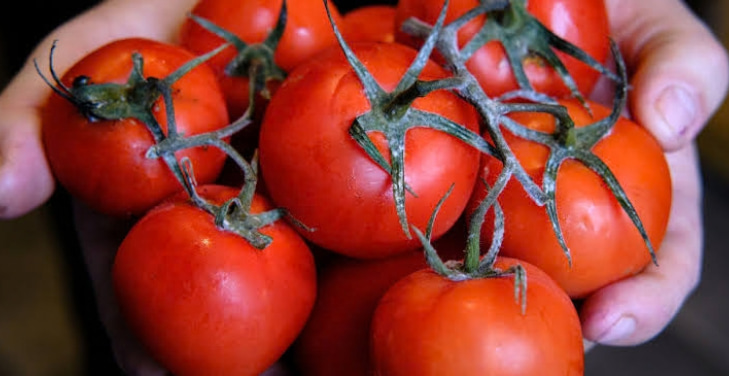
Lycopene provides antioxidant compounds that may support prostate, cardiovascular, and overall health in men.
What Is Lycopene?
Lycopene is a naturally occurring carotenoid that gives many foods their characteristic red color. This compound has attracted attention in men's nutrition due to its strong antioxidant activity and ability to support cell protection.
Natural Carotenoid
Lycopene is a fat-soluble carotenoid found in abundance in tomatoes, watermelon, pink grapefruit, and guava. Its double-bond-rich molecular structure allows lycopene to interact with free radicals, helping maintain oxidative balance in the body.
Antioxidant Activity
Lycopene helps neutralize highly active oxidizing molecules, helping protect lipids, proteins, and cell structures from oxidative stress. This activity underpins many studies on cardiovascular health, prostate health, skin health, and healthy aging in men.
Dietary Sources and Supplements
Tomatoes and tomato products provide a significant amount of lycopene. This supplement contains concentrated lycopene, suitable for cases where consumption needs to be controlled according to professional guidelines.
Lycopene Benefits for Men’s Health
Lycopene offers significant nutritional value in a diet geared towards men’s health. Its antioxidant activity underpins numerous studies on prostate health, cardiovascular health, fertility, and cellular protection.
Antioxidant and Cellular Support
Lycopene helps the body control highly reactive oxidative molecules, thereby supporting cellular stability. This ability helps protect lipids and cellular structures and supports healthy aging.
Prostate and Cardiovascular Health
Nutritional research has focused considerably on the link between lycopene intake and prostate health. Lycopene has also gained attention in cardiovascular research because of its role in oxidative stress and vascular function.
Male Wellness
Lycopene from tomatoes, watermelon, guava, and other carotenoid-rich foods can be added to a balanced diet. This approach provides additional plant compounds that support men's overall health.
Lycopene and Prostate Health
Lycopene has received considerable attention in research on male prostate health. Scientists have focused on its antioxidant capacity, its presence in prostate tissue, and the link between carotenoid consumption and health markers.
Lycopene in Prostate Tissue
The body distributes lycopene to many tissues, and the prostate may accumulate it. Lycopene's antioxidant activity helps control oxidative stress at the cellular level, providing a biological basis for prostate health research.
Prostate Health Research
Several observational studies have noted a link between diets rich in lycopene and prostate health markers. However, researchers still need to interpret results in a broader context, since many nutritional and lifestyle factors influence men's health.
Dietary Lycopene
Tomatoes, tomato sauce, watermelon, and guava provide lycopene. Maintaining a varied diet helps men get lycopene along with many other plant nutrients.
Lycopene and Heart Health
Lycopene adds nutritional value to carotenoid-rich foods in a heart-healthy diet. Its antioxidant activity is linked to cell protection and maintaining a healthy vascular environment.
Cardiovascular Support
Lycopene helps control oxidative stress, a factor associated with cell damage and vascular function. Nutritional studies continue to investigate the relationship between dietary lycopene intake and cardiovascular health in adults.
Blood Vessel Function
Lycopene interacts with oxidative molecules in the body, helping maintain oxidative balance. This mechanism underlies research on endothelial function and circulatory health.
Heart-Healthy Diet
Tomatoes, tomato juice, watermelon, and pink grapefruit provide lycopene along with many other plant compounds. Combining these foods with vegetables, fruits, whole grains, and healthy fats creates a good nutritional foundation for heart health.
Antioxidant Protection and Cellular Health
Lycopene plays a notable role among carotenoids with antioxidant activity. Its chemical properties allow it to interact with oxidative molecules, thereby supporting the cellular environment and long-term health.
Free Radical Protection
Lycopene helps neutralize certain free radicals and reactive oxygen species, helping control oxidative stress in the body. This process helps maintain the stability of lipids, proteins, and cellular structures.
Cellular Integrity
Prolonged oxidative stress can strain cell membranes and molecular components. Lycopene helps protect these structures through its antioxidant activity while also supporting conditions favorable for cellular function.
Healthy Aging
The ability to control oxidative stress underpins the interest in lycopene for healthy aging. A diet rich in tomatoes, watermelon, guava, and other carotenoid-containing foods helps supplement lycopene and many other valuable plant compounds.
Lycopene and Male Reproductive Health
Lycopene has gained attention in male reproductive health research due to its antioxidant properties and its presence in reproductive tissues. Studies focus on the link between lycopene, sperm quality, and oxidative status.
Sperm Health
Sperm is susceptible to oxidative stress because its cell membrane contains many unsaturated fatty acids. Lycopene helps control reactive oxygen species, thereby supporting a favorable environment for sperm cell stability.
Antioxidant Status
Lycopene supplements the body's antioxidant system through a diet rich in fruits, vegetables, and carotenoid-containing foods. Antioxidant status is a factor studied in maintaining male reproductive function.
Current Research
Several studies on lycopene focus on indicators such as sperm concentration, motility, and morphology. These results provide a basis for further in-depth research into lycopene's role in male reproductive health.
Lycopene and Skin Health for Men
Lycopene supports skin health through its antioxidant activity and ability to interact with oxidizing molecules. This property has attracted interest in research on its ability to protect the skin from environmental factors and maintain healthy skin structure.
Antioxidant Skin Protection
Lycopene helps control oxidative stress at the cellular level, supporting lipid integrity and structural components. A diet rich in carotenoids provides additional plant compounds for the body's natural defense system.
UV Exposure and Skin
Nutritional research has noted interest in lycopene's ability to support the skin's response to ultraviolet radiation. Lycopene accumulates in skin tissue and supports the antioxidant network, helping maintain healthy skin.
Dietary Carotenoids
Tomatoes, watermelon, guava, and pink grapefruit provide lycopene along with many other carotenoids. A varied diet helps men get the antioxidants needed for healthy skin.
Best Food Sources of Lycopene for Men
Lycopene occurs naturally in many red and pink fruits and foods. Choosing a diverse range of food sources helps men supplement lycopene along with fiber, vitamins, and other valuable plant compounds.
Tomatoes and Tomato Products
Tomatoes are a popular dietary source of lycopene. Tomato sauce, ketchup, and tomato concentrate contain high concentrations of lycopene. Heating and processing release lycopene from plant cell structures, supporting absorption.
Fruits Rich in Lycopene
Watermelon, pink grapefruit, and guava provide lycopene along with vitamins, minerals, and polyphenols. These foods fit into a varied, plant-rich, and antioxidant-rich diet.
Healthy Dietary Fat
Lycopene is a fat-soluble carotenoid. Combining lycopene-rich foods with healthy fats like olive oil, avocados, or nuts supports absorption in the digestive tract.
How Much Lycopene Do Men Need Per Day?
There is no official daily recommended intake of lycopene specifically for men. Nutritional studies commonly report intakes of about 6–15 mg of lycopene per day in diets and in research on cardiovascular health, prostate health, and antioxidant activity.
Daily Dietary Intake
Men can aim for around 10 mg of lycopene per day through foods such as tomatoes, tomato products, watermelon, guava, and pink grapefruit. A serving of cooked tomatoes or concentrated tomato products can provide a significant amount of lycopene, depending on the type and preparation.
Supplement Amounts
Supplements typically provide around 10–30 mg of lycopene per serving. Follow the product's dosage instructions, and seek professional advice before using high doses for extended periods.
Absorption Factors
Lycopene is fat-soluble. Adding about 5–10 g of fat to a meal containing lycopene may support carotenoid absorption in the digestive tract.
Lycopene Supplements and Safety Considerations
Lycopene supplements provide carotenoids in concentrated amounts, suitable for those who need to control intake to meet nutritional goals. Proper use helps maintain appropriate supplementation levels and supports overall health.
Supplements and Food Sources
Foods rich in lycopene provide carotenoids along with fiber, vitamins, and many plant compounds. Supplements contain concentrated lycopene, so users should read product labels carefully and follow the recommended dosage.
Possible Side Effects
High lycopene levels may cause digestive discomfort such as bloating, nausea, or changes in bowel movements in some people. Prolonged consumption of very high amounts of carotenoids can lead to lycopenemia, which may cause yellow-orange or red-orange skin discoloration.
Safe Supplement Use
Choose products with clear origins, quality control, and transparent content. Consult a healthcare professional, especially when using high doses or combining multiple supplements.
Conclusion
Lycopene offers significant nutritional value for men's health through its antioxidant activity and its presence in many carotenoid-rich foods.
Studies have focused on its prostate, cardiovascular, reproductive, skin, and cellular protective benefits.
Tomatoes, tomato products, watermelon, guava, and pink grapefruit are natural sources of lycopene. Men can create varied diets to supplement approximately 6–15 mg of lycopene per day, depending on their diet and nutritional needs.
Frequently Asked Questions (FAQs)
- Does Lycopene Support Prostate Health? – Lycopene provides antioxidant activity, supports the prostate cell environment, and maintains tissue health. Observational studies have noted a link between dietary lycopene intake and prostate health, providing a foundation for further research.
- How Much Lycopene Should Men Take Daily? – Men typically get about 6–15 mg of lycopene daily from diets rich in tomatoes, watermelon, guava, and pink grapefruit. There is no official recommended daily intake for lycopene, so appropriate consumption depends on your diet and nutritional needs.
- Can Lycopene Benefit Heart Health? – Lycopene helps control oxidative stress and supports vascular cell function. A diet rich in lycopene-containing foods, combined with fruits, vegetables, whole grains, and healthy fats, provides a favorable nutritional foundation for cardiovascular health.
- Which Foods Are High in Lycopene? – Tomatoes and tomato products provide a significant amount of lycopene. Watermelon, guava, and pink grapefruit also contain this compound. Cooking can increase lycopene's availability, while healthy fats support carotenoid absorption.
- Can Lycopene Support Male Fertility? – Lycopene has gained attention in male reproductive health research due to its antioxidant activity. This compound may support a favorable environment for sperm cells, while its fertility indicators still require further clinical research.
