
Licorice possesses a subtly sweet flavor and herbal depth deeply rooted in the history of natural health care. The licorice root evokes a sense of peace, familiarity, and connection between humanity and nature.
In modern life, licorice emerges as a sophisticated nutritional choice that supports the body in restoring balance. Each use of licorice represents proactive health care from within.
Licorice inspires a slower pace of life, listening to the body and nurturing health sustainably.
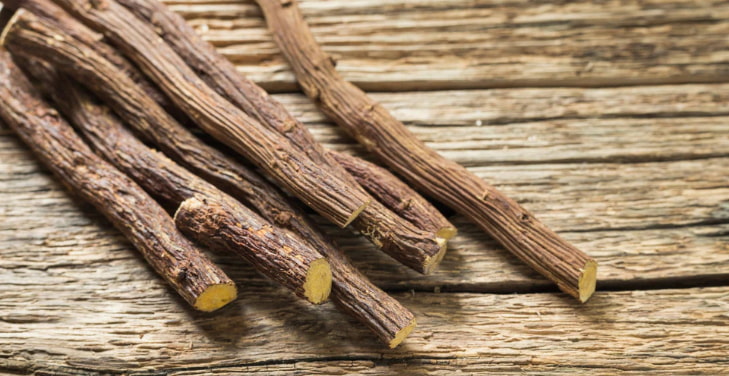
Licorice is a medicinal herb widely used for digestive, respiratory, and overall wellness support.
What Is Licorice?
Licorice is an ancient herb widely used in nutrition and traditional medicine across many cultures. The root of the licorice plant has a naturally sweet flavor and is rich in bioactive compounds, often found in remedies that support digestion, respiration, and body balance. Licorice plays a crucial role in herbal-based healthcare systems due to its stability and versatile applications.
Botanical Background
Licorice originates from the Glycyrrhiza glabra plant, which thrives in the Eurasian region. The roots are harvested, dried, and processed into herbal ingredients.
Traditional Herbal Significance
In Traditional Chinese Medicine and Ayurveda, licorice is considered a regulating herb that supports blood circulation and enhances the body's adaptability.
Role in Modern Wellness
Today, licorice is commonly found in herbal teas, dietary supplements, and nutritional formulas that support holistic health.
What Is Licorice Made Of?
Licorice is composed of the root of the licorice plant, rich in phytonutrients and bioactive compounds. The composition of licorice reflects its high nutritional value as a herbal remedy, supporting many physiological functions when used correctly. Each group of active compounds in licorice plays a specific role, contributing to the comprehensive properties of this medicinal herb.
Plant Root Composition
Licorice root contains natural fiber, plant sugars, and trace minerals, which nourish the digestive system and support energy metabolism.
Glycyrrhizin Content
Glycyrrhizin is a characteristic sweetener and a potent bioactive compound often studied in traditional herbal applications.
Flavonoids and Antioxidants
Licorice provides flavonoids, polyphenols, and antioxidants, helping to maintain cellular stability and support overall health.
Volatile Oils and Phytochemicals
Essential oils and phytochemicals in licorice contribute to its distinctive aroma and enhance its value in functional nutrition applications.
Discover more about what licorice is made of to understand each compound in detail and its practical applications in daily life.
Types of Licorice Used in Health
Licorice is used in healthcare in many different forms, reflecting the development of herbal medicine from traditional to modern. Each type of licorice has its own characteristics in terms of active ingredients and intended use, suitable for different nutritional needs and supporting the body.
Traditional Licorice Root
Traditional licorice uses the original licorice root, often found in traditional Chinese medicine decoctions and herbal teas. This form retains the full natural compound system, supporting the body's balance and regulation.
DGL Licorice (Deglycyrrhizinated)
DGL licorice is processed to adjust the glycyrrhizin content, which is often used in products that support digestion and gastric mucosa.
Supplement and Extract Forms
Licorice in extract, capsule, or soluble powder form is widely used in functional nutrition, offering convenience and clear dosage control.
How Licorice Works in the Body
Licorice affects the body through various biological mechanisms related to the digestive, endocrine, and immune systems. The herbal compounds in licorice interact harmoniously with natural physiological processes, contributing to maintaining the body's balance and adaptation. The effectiveness of licorice is evident when used regularly as part of a suitable health care regimen.
Digestive Tract Interaction
Licorice supports the gastrointestinal mucosal environment, promotes secretion, and maintains stable stomach and intestinal function.
Hormonal Pathway Support
The active compounds in licorice help regulate endocrine responses, contributing to the stability of circadian rhythms and daily energy levels.
Anti-Inflammatory Signaling
Licorice activates biological signals related to inflammatory responses, supporting tissue repair and maintaining cellular function.
Immune System Modulation
The phytochemicals in licorice boost innate immune activity, helping the body maintain its natural defenses.
Licorice Health Benefits Overview
Licorice offers many outstanding health benefits thanks to its diverse herbal compounds and comprehensive mechanisms of action. In modern nutrition, licorice is considered a fundamental medicinal herb, contributing to maintaining physiological stability and enhancing the body's self-regulation abilities. The benefits of licorice are clearly demonstrated when used correctly and in appropriate dosages.
Digestive Wellness Support
Licorice promotes digestive health, supports the stomach lining, and facilitates smooth and harmonious digestion.
Respiratory and Throat Care
This herb helps soothe the respiratory tract, maintain natural moisture, and enhance throat comfort.
Systemic Balance and Vitality
Licorice helps regulate systemic biological responses, support stable energy levels, and enhance the body's overall balance.
Is Licorice Good for You?
Licorice offers positive health benefits when incorporated into a targeted herbal diet. With a long history of use and ever-expanding research, licorice supports the body's adaptation, maintains balance, and improves daily well-being. The effectiveness of licorice depends on appropriate use and clear health goals.
Who Benefits Most?
Licorice is suitable for those concerned about digestion, respiration, and overall physiological stability. Those pursuing a herbal lifestyle and natural nutrition often choose licorice as a foundational supporting ingredient.
Integration into Daily Wellness
Licorice easily integrates into herbal teas, supplements, and daily health care formulas, helping maintain a harmonious circadian rhythm and a stable bodily state.
Learn more about whether licorice is good for you to apply it correctly and safely in your daily diet.
Licorice Side Effects and Safety Concerns
Licorice requires an understanding of safety when used in nutrition and herbal medicine. The potent active compounds in licorice root produce pronounced physiological effects, so identifying safety factors helps optimize benefits and maintain a stable bodily state. A targeted approach helps licorice deliver its value sustainably.
Physiological Response Awareness
Licorice influences electrolyte balance and endocrine responses, especially when used at high doses or for extended periods. The body shows clear signals when exposed to high concentrations of active ingredients.
Duration and Intake Considerations
Short-cycle use of licorice provides better control over biological responses. This practice supports the body's natural adaptability.
Individual Sensitivity Factors
Each individual reacts to licorice differently, depending on their health status and physiological background. Personal monitoring helps ensure a safe and appropriate herbal experience.
Refer to licorice side effects for important warnings and safe usage instructions.
Who Should Avoid or Limit Licorice
Licorice is suitable for many health purposes, but it requires careful consideration for certain groups. Identifying the right people and adjusting their usage helps maintain physiological safety and optimize the herbal benefits. A proactive approach leads to sustainable effectiveness in herbal nutrition.
Individuals with Blood Pressure Sensitivity
Licorice affects mineral and fluid balance, so individuals prone to blood pressure sensitivity need to carefully control their dosage.
Hormonal Regulation Considerations
Individuals with fluctuating endocrine systems should use licorice sparingly and under close supervision to maintain biological stability.
Pregnancy and Life Stages
Pregnant women and those in other life stages should prioritize professional consultation before incorporating licorice into their diet.
Long-Term Supplement Users
Long-term supplement users benefit from alternating and adjusting their licorice intake to ensure overall balance.
How to Use Licorice Properly
Licorice is most effective when used correctly and in accordance with the principles of herbal nutrition. Choosing the right form of use and a structured approach to consumption helps the body effectively absorb the bioactive compounds and maintain long-term balance. Licorice plays a fundamental role in a proactive, health-conscious lifestyle.
Common Forms and Preparation
Licorice is commonly used in the form of herbal tea, root powder, extract, and supplements. Licorice tea offers a gentle experience, while extracts and capsules are suitable for those who need more precise dosage control.
Usage Rhythm and Best Practices
Licorice provides consistent effectiveness when used regularly and in a balanced cycle. Combining licorice with a balanced diet and a healthy lifestyle enhances adaptability and supports overall health.
Conclusion
Licorice demonstrates enduring value in nutrition and herbal medicine, thanks to its long-standing tradition and clear modern applications. This herb supports many physiological aspects, from digestion to overall balance, when used appropriately.
Licorice yields positive results when users understand its composition, mechanisms of action, and proper usage. Proactive choices in dosage and method of use optimize health benefits.
Licorice plays a fundamental role in a natural, holistic, health-focused lifestyle.
Frequently Asked Questions (FAQs)
- What is licorice? – Licorice is the root of the licorice plant and is widely used in herbal traditions. Its bioactive compounds support digestion, respiratory comfort, and overall physiological balance.
- What health benefits does licorice commonly support? – Licorice is known to support the digestive system, soothe the respiratory tract, and help regulate the body’s biological responses. It is often included in general wellness and functional nutrition products.
- Is daily licorice use appropriate? – Licorice works best when used in moderation and within a structured routine. Proper dosing supports effective absorption while maintaining long-term balance.
- What are the common forms of licorice? – Licorice can be consumed as tea, root powder, extract, or supplements. Each form provides different benefits depending on convenience and desired intake control.
- Who should be cautious when using licorice? – People with sensitive blood pressure, hormonal concerns, or specific physiological conditions should monitor their response carefully. Individual awareness helps ensure a safe herbal experience.
