
L-theanine is becoming one of the most prominent active ingredients for relaxation and focus in modern life. Its appeal stems from its ability to support mental clarity, calm emotions, and a more balanced mental rhythm each day.
Amidst the pressures of work, studies, and the hectic pace of life, many people turn to L-theanine as a proactive choice for mental health. The combination of its natural properties and practical applications has led to its increasing popularity.
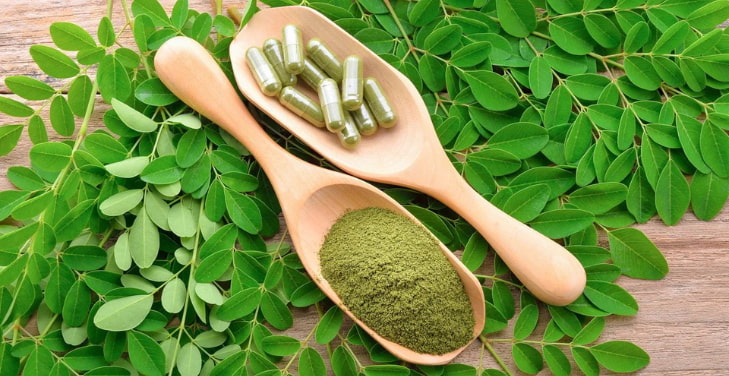
L-theanine capsules and green tea leaves are arranged for a calm focus supplement concept.
What Is L-Theanine?
In today's fast-paced and stressful life, many people turn to L-theanine as a substance that supports relaxation and mental clarity. This naturally occurring amino acid is primarily found in tea leaves, especially green tea, and is increasingly popular in mental health products.
Natural Origin
L-theanine is found in the Camellia sinensis plant and contributes to the characteristic soothing feeling when drinking tea. This compound, along with many other plant components, provides a biological value widely studied by nutritionists and health professionals.
Unique Identity
Experts classify L-theanine as a compound that supports the nervous system and mental well-being. Many people know it for its ability to promote relaxation, maintain mental alertness, and enhance concentration during stressful periods.
Supplement Presence
In addition to its natural source from tea, L-theanine is also present in capsules, tablets, and soluble powders. This supplemental form makes it more convenient for users to incorporate the active ingredient into their daily health care routine.
How L-Theanine Works in the Body
When it enters the body, L-theanine has a noticeable effect on the nervous system and mental state. This compound attracts significant attention because it is associated with feelings of relaxation and alertness, emotional stability, and the ability to maintain focus in many everyday situations.
Brain Signaling
L-theanine crosses the blood-brain barrier and helps regulate nerve signals. This compound affects neurotransmitters related to mood, attention, and feelings of well-being. Thanks to this mechanism, the brain more easily enters a calm, clear, and balanced state.
Relaxation Response
During its activity, L-theanine supports increased alpha brain waves, a type of wave associated with relaxation and alertness. This state helps many people feel lighter, more relaxed, and more able to process tasks more smoothly.
Stress Balance
L-theanine also helps the body regulate its response to mental stress. When stress levels rise, this compound helps maintain a more stable neural response, thereby promoting calmness, focus, and a sense of control throughout the day.
Pros of Taking L-Theanine
In a fast-paced lifestyle requiring high performance and sustained alertness, L-theanine has emerged as a popular choice. This compound offers clear practical value for those seeking mental relaxation, stable focus, and convenient use in daily life.
Calm Focus Support
L-theanine helps many people maintain a calm yet sharp mind. This is a highly valued advantage in studying, intellectual work, and periods of prolonged stress. The feeling of relaxation combined with alertness creates a more pleasant mental foundation for tasks requiring continuous attention.
Easy Daily Use
A significant strength of L-theanine lies in its versatility. Users can absorb this compound from tea or choose from tablets, soluble powders, and combined formulations. This convenience makes incorporating L-theanine into a wellness routine simpler and more consistent.
Broad Wellness Appeal
L-theanine is suitable for a wide range of adults seeking support for mental balance. Students, office workers, high-demand workers, and those focused on a healthy lifestyle are often interested in this ingredient for its pleasant, lightheaded, and stabilizing effects.
Gentle Complement Option
L-theanine is commonly found in formulas supporting mental energy, sleep, and stress management. This complementary role increases its appeal in the wellness field, especially for those seeking a streamlined, practical, and easily maintainable mental well-being strategy.
Cons of L-Theanine
While highly regarded for its relaxing and focus-enhancing effects, L-theanine does have some notable drawbacks. Understanding these disadvantages helps users approach the active ingredient more practically, proactively, and in a way that better suits their individual health needs.
Variable Response
Each person's body reacts to L-theanine differently. Some experience a noticeable sense of calm, while others notice only subtle changes. Nervous system sensitivity, caffeine habits, sleep quality, and current stress levels all influence the post-use experience.
Limited Impact
L-theanine is generally better suited to those seeking gentle support rather than dramatic changes. Those seeking a noticeable impact on mood, energy, or sleep may find the effects less pronounced. This can lead to disappointment due to high expectations.
Product Quality Issues
Product quality on the market presents a significant challenge. Active ingredient content, purity, raw material sources, and brand transparency directly impact the user experience. The disparity between products necessitates careful examination of labels and testing standards before making a choice.
Who May Benefit Most From L-Theanine
The need to maintain a clear mind, a calm spirit, and a stable rhythm of life makes L-theanine a popular choice. This compound is often suitable for groups seeking to support focus, mental balance, and relaxation amid stress.
Students and Professionals
Students, office workers, and those engaged in intellectual work often turn to L-theanine to maintain attention for extended periods. This compound is suitable for busy study days, periods of intensive information processing, and work schedules that require a clear, calm, and organized mind.
People Under Daily Stress
People who frequently face work pressure, hectic schedules, or high mental intensity can also benefit from L-theanine. This compound supports a more pleasant state of mind, helps soften the spirit, stabilizes emotions, and makes daily experiences smoother, more balanced, and easier to manage.
Who Should Use L-Theanine With Caution
The relaxing effects of L-theanine are appealing to many, but certain groups should use it with caution. Considering their health status, medications they are taking, and current physiological context helps ensure appropriate, safe, and well-directed use.
People With Low Blood Pressure
Individuals with low blood pressure should be cautious when using L-theanine, as it can contribute to deeper relaxation and affect alertness throughout the day. With already low blood pressure, monitoring the body's response becomes crucial for maintaining stability.
Medication Users
Individuals taking medications related to blood pressure, nerves, sleep, or mood should proactively consult a healthcare professional before supplementing with L-theanine. The combination of supplements and medications needs careful consideration to align with healthcare goals and the body's response.
Special Health Situations
Pregnant women, breastfeeding women, individuals with chronic illnesses, and those preparing for medical interventions should approach L-theanine with caution. These periods require decisions on use based on individualized assessments, clear dosages, and alignment with their specific health conditions.
L-Theanine vs. Other Calm-and-Focus Supplements
Among the many options for relaxation and focus, L-theanine stands out for its calming, mind-clearing effects and ease of integration into daily routines. Compared to other familiar compounds, it stands out for its intended use, bodily experience, and versatility.
Compared With Magnesium
Magnesium is often associated with neuromuscular function, overall relaxation, and the quality of rest. L-theanine is more focused on mental calmness and cognitive clarity. Users often seek L-theanine when seeking mental support while maintaining a productive work schedule.
Compared With Melatonin
Melatonin is strongly associated with the sleep cycle and the timing of sleep onset. L-theanine is generally better suited for mental relaxation, stress reduction, and a pleasant pre-sleep state. This difference allows each active ingredient to serve a specific care goal.
Compared With Caffeine Formulas
Caffeine-containing formulas often provide a quick alertness and a noticeable increase in mental motivation. L-theanine offers a softer, smoother, and more stable experience. Many people are also interested in combining these two ingredients to achieve a balanced state of focus.
Choosing the Right Fit
The choice between L-theanine and other calm-and-focus products depends on primary goals, daily routines, and body sensations. L-theanine is generally suitable for those who prioritize mental relaxation, focused concentration, and a gentle, consistent user experience.
Conclusion
L-theanine offers a gentle approach to the relaxation, focus, and mental balance needs of modern life. This active ingredient has garnered significant attention for its natural origin, versatility, and ease of use.
The value of L-theanine lies in its ability to support mental clarity, calmer emotions, and a more stable daily routine. By choosing the right product and using it according to individual needs, users can build a practical and sustainable mental health strategy.
Frequently Asked Questions (FAQs)
- What is L-theanine? – L-theanine is a naturally occurring amino acid found in tea leaves, especially green tea. It is known for promoting mental relaxation while maintaining alertness and supporting a calm, focused state throughout the day.
- What are the uses of L-theanine? – L-theanine is commonly used to support calmness, stable focus, and improved rest quality. It is often taken during periods of stress, demanding work schedules, or when maintaining a clear and balanced mental state is desired.
- Does L-theanine have side effects? – Some individuals may experience mild headaches, dizziness, temporary drowsiness, or digestive discomfort. The intensity of these effects can vary depending on dosage, timing, and individual sensitivity.
- Who should be cautious when using L-theanine? – People with low blood pressure, those taking medications affecting the nervous system, sleep, or blood pressure, as well as pregnant or breastfeeding women and individuals with underlying conditions, should consult a healthcare professional before use.
- Can L-theanine be used with caffeine? – Many people combine L-theanine with caffeine to promote smoother alertness and improved focus. This combination is often used in academic or mentally demanding tasks to help maintain consistent cognitive performance.
