
Have you ever wondered how much resveratrol you need each day to meet your health goals? Resveratrol is a naturally occurring polyphenol found in grapes, berries, and peanuts, and is commonly found in supplements.
Dosage matters because research on its antioxidant activity, cardiovascular health, and metabolism is ongoing. Product content, formulation, intended use, and health status all help determine the appropriate amount of resveratrol.
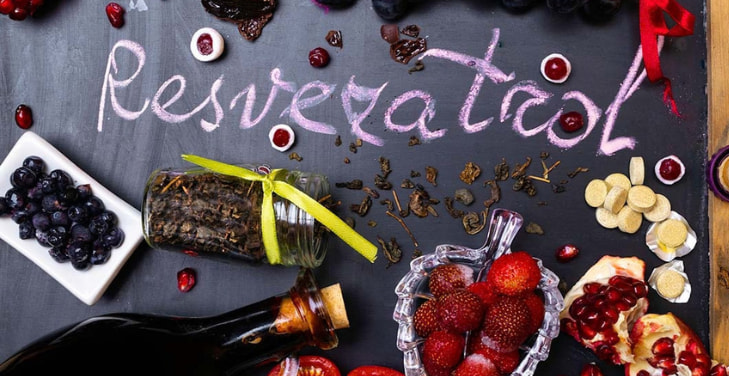
Daily resveratrol intake depends on supplement strength, individual needs, dosage, and overall health considerations.
What Is Resveratrol?
Resveratrol is a naturally occurring polyphenol in the stilbene group, widely studied for its antioxidant activity and potential role in cardiovascular health, metabolism, and healthy aging. This compound occurs in many plant-based foods, with amounts varying by source.
Natural Sources of Resveratrol
Resveratrol is concentrated in the skin of red grapes, berries, peanuts, and some other plants. Red grapes provide resveratrol primarily through their skin, where the plant produces the compound as part of its natural defense system. The amount of resveratrol in food depends on the variety, growing conditions, and processing methods.
Dietary Intake and Supplements
Dietary sources provide relatively small amounts of resveratrol through polyphenol-rich foods. Resveratrol supplements typically contain more concentrated forms and may be available in capsule, tablet, or powder form. The amount of active ingredient per serving becomes an important factor when determining the daily resveratrol intake.
How Much Resveratrol Per Day Is Appropriate?
The daily dose of resveratrol depends on the intended use, product form, active ingredient content, and individual health characteristics. Human studies have used a wide range of doses, providing a broad reference range for supplementation.
Common Supplemental Doses
Many clinical studies use resveratrol at doses ranging from 100–1,000 mg per day, while some trials explore higher levels. Studies on metabolism and cardiovascular health often use 150–500 mg per day. Users should rely on the actual resveratrol content on the product label to determine their intake.
Research Doses and Daily Use
Research doses reflect the specific goals and design of each trial. Use duration, purity, and formulation also affect results. An appropriate daily dose should consider age, health status, medications, and supplement goals.
Factors That Affect Resveratrol Dosage
Many factors related to the product, individual constitution, and intended use influence resveratrol dosage. Determining the right supplement amount requires considering active-ingredient content, dosage form, and health status.
Supplement Formulation and Concentration
Capsules, tablets, powders, or liquid extracts can provide different amounts of resveratrol per serving. The active-ingredient concentration on the product label helps determine the exact daily intake. Products containing standardized extracts should also clearly state the resveratrol content.
Individual Health Factors
Age, weight, health status, tolerance, and medications being used can all affect dosage selection. Individuals with chronic illnesses or those taking medications regularly should consult a healthcare professional before supplementing.
Intended Use and Product Quality
The intended use guides the appropriate level of supplementation in each case. Raw material quality, purity, and product standardization also play a crucial role in dosage control.
Resveratrol Dosage by Supplement Form
The supplement form determines how users calculate their daily resveratrol intake. Each product has its own active ingredient content, serving size, and concentration, so carefully reading the label is crucial.
Capsules and Tablets
Capsules and tablets usually clearly state the amount of resveratrol per serving, making it convenient for users to track their total daily dose. The content can vary significantly between products.
Powders and Liquid Forms
Powdered or liquid resveratrol allows for more flexible serving adjustments. Users need to use accurate measuring tools to control the amount of active ingredient.
Standardized Extracts
Standardized extracts provide specific information about the resveratrol ratio or content. The actual amount of resveratrol per serving is a key indicator for determining the dosage.
Best Time to Take Resveratrol
The best time to take resveratrol supplements can depend on individual schedules, diets, and tolerance. Maintaining a consistent daily schedule helps establish a consistent supplementation habit and makes it easier to track intake.
Morning or Evening Supplementation
Users can choose morning or evening based on their personal schedule. Consistency in timing helps maintain a long-term habit. Some people prefer morning to combine it with other supplements.
Taking Resveratrol With Food
Taking resveratrol with meals may support gastrointestinal tolerance in some people. Meals containing fat can also affect resveratrol absorption. Follow the product label instructions to determine the best way to use it.
Potential Benefits of Daily Resveratrol Intake
Resveratrol has attracted attention in nutritional research due to its polyphenol activity and its ability to interact with numerous biological processes. Current research focuses on cellular health, cardiovascular health, metabolism, and healthy aging.
Antioxidant and Cellular Protection
Resveratrol has antioxidant activity that helps protect cells from free radicals. This compound also helps regulate cellular signaling and responses to oxidative stress.
Cardiovascular Health
Resveratrol research focuses on endothelial function, circulation, and several factors related to cardiovascular health. Potential mechanisms include effects on inflammation and lipid metabolism.
Metabolic and Healthy Aging Research
Resveratrol continues to be studied for its effects on insulin sensitivity, glucose metabolism, and aging mechanisms. Results in humans still depend on the dosage, duration of use, and characteristics of each study group.
Side Effects of Excessive Resveratrol Intake
High doses of resveratrol supplements can produce adverse reactions, especially when used in large amounts over extended periods. Tolerance depends on the dosage, product form, and individual characteristics.
Digestive Side Effects
Common gastrointestinal symptoms include nausea, abdominal pain, bloating, diarrhea, and gastrointestinal discomfort. High doses of resveratrol may increase the likelihood of these reactions, particularly in individuals with sensitive digestive systems.
Headaches and Other Reactions
Some people may experience headaches, dizziness, or fatigue when using high doses of resveratrol. Reactions may also vary depending on the product's purity, active ingredient content, and accompanying components.
Dose and Tolerability
Tolerance generally increases with the daily amount of resveratrol consumed. Following the label dose and monitoring your body's response helps reduce the risk of side effects during supplementation.
Resveratrol and Medication Interactions
Resveratrol can interact with certain medications by affecting blood clotting and the activity of drug-metabolizing enzymes. Those taking these medications regularly should consider potential interactions before supplementing with resveratrol daily.
Blood-Thinning Medications
Resveratrol may affect platelet aggregation, so combining it with warfarin, aspirin, or clopidogrel may increase the risk of bleeding. Those taking these medications should consult a healthcare professional before use.
Drug Metabolism
Resveratrol may affect certain enzymes and transport proteins involved in drug metabolism. This characteristic can alter the concentration of certain medications in the body, depending on the active ingredient and the dose used.
Professional Guidance
Individuals taking prescription medications, anticoagulants, or antiplatelet drugs should have their entire medication list reviewed by a healthcare professional before supplementing with resveratrol. Monitoring for interactions helps ensure safe use.
Who Should Use Caution With Resveratrol?
Several groups of people should carefully assess safety factors before regularly using resveratrol. Dosage, medications, health conditions, and the timing of medical interventions all influence the decision to supplement.
People Taking Blood-Thinning Medications
People taking warfarin, aspirin, or clopidogrel should discuss this with a healthcare professional before supplementing with resveratrol. Resveratrol's platelet aggregation-affecting properties may be associated with an increased risk of bleeding.
People Preparing for Surgery
People preparing for surgery should inform their doctor about any supplements they are currently using. Resveratrol may affect blood clotting mechanisms and should be evaluated in their pre-operative care plan.
Pregnancy and Breastfeeding
Pregnant or breastfeeding women should use caution because clinical safety data are limited. Healthcare professionals can assess the need for use based on individual conditions and overall nutritional benefits.
Tips for Using Resveratrol Safely
Using resveratrol safely requires attention to dosage, product quality, medications, and how your body responds. A controlled supplementation regimen helps users monitor their intake and reduce the risk of overuse.
Choose Quality Products
Prioritize products with transparent labeling, clearly stated resveratrol content, and reliable sources. Information on serving size, purity, and standardization helps control the amount of active ingredient more accurately.
Follow the Recommended Serving
Follow the manufacturer's recommended serving size and track the total resveratrol from multiple products. Combining multiple products containing resveratrol can increase the total daily dose.
Review Long-Term Use
Long-term resveratrol users should consult with a healthcare professional, especially if they are taking prescription medications or planning surgery. Regular assessments help adjust supplementation based on health status and usage goals.
Conclusion
Resveratrol is a polyphenol compound widely studied for its antioxidant properties, cardiovascular health, metabolism, and healthy aging. The recommended daily supplement dose should be based on product content, intended use, and individual health characteristics.
Choosing a transparent product, following dietary guidelines, and monitoring tolerance help manage supplementation. Individuals taking medication or planning surgery should consult with a healthcare professional for interaction and safety assessments.
Frequently Asked Questions (FAQs)
- How Much Resveratrol Should You Take Daily? – The commonly studied daily amount of resveratrol ranges from 100–1,000 mg, depending on the study design, health goal, and product formulation. The appropriate amount depends on the resveratrol concentration, individual health status, and medications being used.
- What Is the Best Time to Take Resveratrol? – Resveratrol can be taken in the morning or evening according to personal routine and product instructions. Taking it with meals may improve digestive tolerance, while consistent timing helps maintain regular supplementation.
- Can Resveratrol Cause Side Effects? – Resveratrol may cause nausea, abdominal discomfort, bloating, diarrhea, headache, or dizziness, particularly at higher doses. Individual tolerance depends on dosage, formulation, product quality, and personal sensitivity.
- Does Resveratrol Interact With Medications? – Resveratrol may influence platelet aggregation and the activity of certain drug-metabolizing pathways. People taking warfarin, aspirin, clopidogrel, or other prescription medications should consult a healthcare professional before using resveratrol supplements.
- Who Should Be Cautious With Resveratrol? – People taking anticoagulant or antiplatelet medications, those preparing for surgery, and pregnant or breastfeeding women should exercise caution with resveratrol. A healthcare professional can review medications, health conditions, and the intended supplementation dose to assess appropriate use.
