
A tiny alpha lipoic acid capsule carries powerful metabolic energy for every cell. The body absorbs this active ingredient and activates its endogenous antioxidant system, thereby nourishing energy, nerves, and endurance every day.
Daily dosage shapes the circadian rhythm and effectiveness. Appropriate use fosters a sense of control over health, instilling confidence and motivation to care for the body with the right choices.
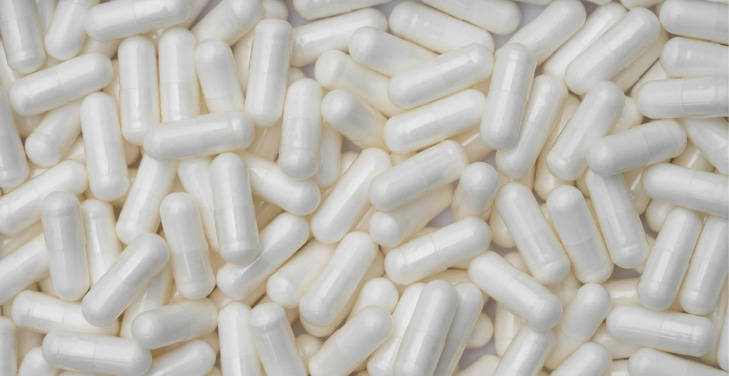
Understand daily alpha lipoic acid dosage, safety limits, timing, and optimal supplement use guidance.
What Is Alpha Lipoic Acid and Why Does Dosage Matter?
Alpha lipoic acid acts as a central antioxidant in cellular energy metabolism. This compound directly participates in the ATP production cycle and supports the regeneration of important antioxidants in the body. Dosage determines the intensity of biological effects, the rate of absorption, and the sustainability of metabolic effects.
Cellular Energy Support
Alpha lipoic acid promotes mitochondrial activity and activates stable energy production. Appropriate doses help maintain a continuous flow of cellular energy, supporting nerve and muscle function. The correct dosage determines whether noticeable biological effects occur.
Absorption and Bioavailability
The body absorbs alpha-lipoic acid through the gastrointestinal tract and rapidly distributes it into tissues. Dosage directly affects blood concentrations and circulation time. Dose adjustment optimizes absorption and maintains stable concentrations.
Metabolic Impact
Alpha-lipoic acid helps regulate blood glucose and fat metabolism. Appropriate dosage has a powerful impact on metabolic balance and neurological health. Determining the correct dose ensures lasting and noticeable effects.
Standard Daily Dosage for General Health
The daily dose of alpha lipoic acid establishes a foundation for overall antioxidant and energy metabolism. A consistent dosage creates a clear circadian rhythm for cells, supporting nerve, liver, and muscle function. Establishing a standard dose helps the body maintain consistent biological efficiency throughout the day.
Recommended Baseline Range
A dose of 100–300 mg per day provides a foundation for overall health. This dose activates the endogenous antioxidant system and maintains a stable energy metabolism. Healthy adults benefit from this baseline.
Split Dosing Strategy
Dividing the dose into two daily doses helps maintain stable alpha-lipoic acid levels in the blood. Morning and midday dosing support cellular energy and mental alertness. This dose distribution creates a sustained effect.
Timing for Absorption
Taking approximately 30 minutes before meals allows for rapid and effective absorption. A fixed time each day creates a clear circadian rhythm for the body. Consistency promotes metabolic efficiency.
Consistency and Duration
Maintaining a daily dose over several weeks helps the body achieve oxidative balance. Consistent dosing builds cumulative and lasting effects.
Therapeutic Dosage Ranges Used in Research
Clinical studies use alpha-lipoic acid at therapeutic doses to produce potent biological effects on metabolism and neurology. The dosage range in studies reflects clear intervention goals, a defined monitoring period, and measurable biological responses. Therapeutic dosage levels guide the strategy used in clinical practice.
Clinical Trial Dosage Bands
Many trials use doses of 300–600 mg/day to support neurological and metabolic control. This level achieves sufficiently high plasma concentrations of the active substance, activates the endogenous antioxidant system, and improves cellular function.
High-Dose Protocols
Some studies utilize doses of 600–1,200 mg per day for short-term interventions. High doses promote effects on neurotransmission and insulin sensitivity, while enhancing cellular protection against oxidative stress.
Duration and Monitoring
Study regimens typically last from 4 to 12 weeks. Continuous monitoring helps assess biological response and adjust dosage to maintain stable efficacy.
Dosage by Health Goal
Health goals guide the daily dose of alpha lipoic acid. Each biological need creates a specific threshold of action, from energy support to metabolic regulation. Targeted doses ensure the body receives the correct intensity of the active ingredient and maintains consistent effectiveness over time.
Metabolic Balance Support
Targets for stable blood glucose and insulin sensitivity are often associated with doses of 300–600 mg per day. This level promotes glucose metabolism and increases the efficiency of cellular energy utilization. Consistent maintenance creates a solid metabolic foundation.
Nerve Health Focus
Support for peripheral nerves typically involves a dose of 600 mg per day. This concentration promotes the regeneration of endogenous antioxidants and improves nerve signaling. A stable dose helps maintain conduction function.
Antioxidant and Skin Vitality
Targets for overall antioxidant protection and skin vitality are often associated with doses of 200–400 mg/day. This level enhances cellular protection and maintains biological elasticity. Consistency in dosing leads to a noticeable cumulative effect.
Best Time to Take Alpha Lipoic Acid
The timing of alpha lipoic acid administration determines the rate of absorption and the intensity of its metabolic effects. The body responds clearly to consistent daily administration. Choosing the right time helps the active ingredient maximize its effectiveness on cellular energy and the nervous system.
Morning Absorption Window
Taking alpha-lipoic acid in the morning before meals facilitates rapid, strong absorption. The active ingredient reaches higher blood concentrations early, supporting energy and alertness throughout the day. Morning administration establishes a stable circadian rhythm for metabolism.
Pre-Meal Timing Strategy
Taking it approximately 20–30 minutes before meals allows the active ingredient to enter the bloodstream more quickly. This timing activates antioxidant processes and supports post-meal blood sugar balance. Daily repetition reinforces its biological effectiveness.
Splitting Timing for Sustained Levels
Dividing the dose into two administrations per day helps maintain stable levels. A morning dose and an early afternoon dose support sustained energy and sustained neurological function. Regular dosing ensures long-lasting effects.
Maximum Safe Daily Intake
The safe daily intake limit of alpha-lipoic acid defines the boundary between potent biological efficacy and optimal tolerability. High doses produce significant metabolic and neurological effects and require careful control of timing and intensity of use. Understanding this limit helps optimize benefits in clinical practice.
Upper Intake Thresholds
Most clinical data sets a threshold of 600–1200 mg/day for intervention. This dose range produces potent plasma concentrations of the active substance and promotes profound antioxidant effects on nerve and liver tissue.
Short-Term High-Dose Use
Some treatment programs deploy high doses over short periods of 2 to 8 weeks. Cyclical high doses help activate a strong biological response and improve key metabolic indicators.
Monitoring and Adjustment
High-dose monitoring includes assessing clinical response and adjusting treatment accordingly. Continuous monitoring maintains optimal efficacy and sustained safety.
Factors That Affect Your Ideal Dose
The ideal alpha lipoic acid dose depends on individual biological characteristics and health goals. Bodies react differently to the same level of supplementation, so adjusting the dose based on individual factors optimizes metabolic and antioxidant efficacy. Fine-tuning the dose produces a sustained, noticeable effect.
Body Weight and Metabolic Rate
Body weight and metabolic rate directly affect alpha lipoic acid requirements. Individuals with higher body mass or high metabolism typically require higher doses to achieve effective biological concentrations. Adjusting to body condition helps maintain consistent effectiveness.
Health Status and Goals
Neuromental status, blood glucose levels, and oxidative stress levels guide the dosage. Goals to improve metabolism or support neuropathy require different dosage ranges. Clearly defined goals lead to the selection of the correct dose.
Supplement Form and Bioavailability
Pure R-ALA offers superior absorption compared to standard ALA. The content per capsule and the rate of absorption affect the total daily dose required. Choosing the right form optimizes bioavailability.
Who Should Take Lower or Adjusted Doses
Some groups of people require dose adjustments of alpha lipoic acid to suit their individual physiology and metabolic needs. Dose adjustment helps the body absorb it effectively, maintain energy balance, and ensure stable tolerance. Each group has unique biological characteristics, which determine the appropriate dose level.
Individuals with Blood Sugar Sensitivity
Individuals with fluctuating blood sugar levels need a low starting dose of approximately 100–200 mg per day. This level supports glucose metabolism regulation and enhances insulin sensitivity. Gradual dose increases allow for stable adaptation.
Older Adults
Older adults benefit from moderate doses of 100–300 mg per day. Absorption and metabolism change with age, so a moderate dose maintains antioxidant and neuroprotective effects. Consistent dosing provides a sustainable foundation.
Individuals Using Multiple Supplements
Individuals using multiple antioxidants need to adjust their alpha lipoic acid dosage to optimize total active ingredient intake. Balancing the dosage helps maintain metabolic efficiency and enhance cellular protection.
Potential Side Effects by Dosage Level
The dose of alpha-lipoic acid shapes the body's biological experience at each level of use. As the dose increases, the body exhibits distinct biochemical responses, ranging from mild adaptation to strong metabolic activation. Understanding the effects at each threshold helps guide precise and stable dose adjustments.
Low to Moderate Intake Response
Levels of 100–300 mg per day typically produce a mild stomach sensation and increased cellular energy. The body adapts quickly to this dose level and maintains a stable antioxidant state. Regularity supports the digestive and nervous systems in functioning harmoniously.
Higher Dose Reactions
Levels of 600 mg or higher activate strong metabolism and increase glucose utilization. Some people experience mild warmth, altered taste, or increased energy levels. These manifestations reflect increased biological activity.
Sensitivity and Individual Variation
Sensitive individuals react more strongly to the same dose. Adjusting to individual responses helps maintain comfort and effectiveness in the long term.
How to Choose the Right Supplement Strength
Choosing the right alpha-lipoic acid dosage determines the effectiveness of supplementation and its long-term bioavailability. Each capsule contains a different concentration of the active ingredient, resulting in a unique intensity of impact on metabolism and the nervous system. A smart choice ensures the body receives the correct dose and maintains a consistent usage rhythm.
Match Strength to Daily Target
Users need to determine their daily dose target before choosing the capsule dosage. 100 mg capsules are suitable for flexible dosing, while 300 mg or 600 mg capsules support higher-dose needs. Matching the dosage to the target creates a clear effect.
R-ALA vs. Standard ALA
R-ALA has high bioavailability and strong absorption. R-ALA dosages are usually lower in number but have an equivalent or stronger impact on metabolism. The choice of active ingredient form directly affects the total dose required.
Capsule Splitting and Flexibility
Medium-strength capsules allow daily dose splitting and adjustment based on the body's response. This flexibility helps maintain stable concentrations and optimize antioxidant efficacy.
Conclusion
Daily doses of alpha-lipoic acid shape metabolic efficiency, neurological health, and cellular energy. Appropriate levels provide a strong antioxidant foundation and maintain stable circadian rhythms. Consistency in dosage leads to lasting effects.
Dosage selection based on health goals, physical condition, and supplement form optimizes absorption. Proper dosing and timing guide effectiveness. Intelligent adjustments lead to stable and long-lasting results.
Frequently Asked Questions (FAQs)
-
What is the recommended daily dose of alpha lipoic acid for healthy individuals?
Most healthy adults take between 100 and 300 mg per day to support antioxidant protection and normal cellular energy production. This range helps maintain balanced metabolism and healthy nerve and muscle function. -
When is a higher dose (over 600 mg per day) needed?
Higher doses are generally used for therapeutic purposes, especially for nerve health or glucose metabolism support. Such amounts aim to deliver stronger antioxidant and metabolic benefits under professional guidance. -
When should alpha lipoic acid be taken during the day?
Taking alpha lipoic acid about 20–30 minutes before meals improves absorption. Many people prefer morning use for an energy boost, while dividing the dose into morning and early afternoon helps maintain steady effects. -
How does the R-ALA form affect the dosage?
R-ALA is the naturally active form with better absorption, so smaller doses often provide similar benefits. This allows users to achieve effective results with more flexible and lower-dose options. -
Can alpha lipoic acid be divided throughout the day?
Yes. Splitting the daily amount into two doses helps keep blood levels consistent and supports ongoing cellular energy production, enhancing long-term antioxidant and metabolic support.
