
Gymnema sylvestre is gaining increasing attention in the fields of nutrition and blood sugar control. This herbal compound directly affects the perception of sweetness and glucose metabolism, producing noticeable physiological effects.
What happens when an herb that alters how the body processes sugar is used regularly? The cumulative effects on blood sugar, liver, digestion, and the endocrine system raise many issues that need to be thoroughly considered before choosing to use it.
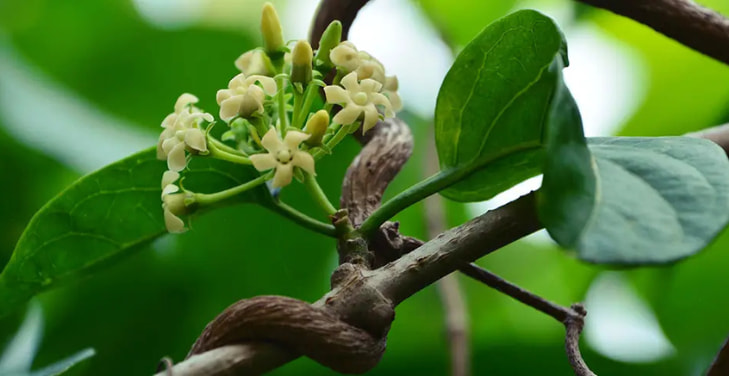
Gymnema sylvestre may affect blood sugar, appetite regulation, and medication responses in sensitive individuals.
What Is Gymnema Sylvestre and Why Do People Use It
Gymnema sylvestre is a traditional herb with a long history in nutrition and natural medicine. The bioactive compounds in its leaves exert pronounced physiological effects, particularly on glucose metabolism and taste perception.
Botanical Origin and Traditional Background
Gymnema sylvestre grows naturally in India and Southeast Asia. Its leaves are used in traditional medicine systems to support blood sugar balance and maintain stable metabolic function. Folk knowledge views this herb as a long-term support for health.
Role in Blood Sugar Regulation
Gymnema sylvestre compounds directly affect the sweet taste receptors and glucose uptake. This mechanism helps regulate postprandial glycemic response and supports insulin control in adults.
Modern Supplement Use and Popularity
In modern nutrition, gymnema sylvestre is commonly found in capsule and extract form. Consumers choose this herb to support weight management, control sugar cravings, and optimize metabolic health.
Primary Gymnema Sylvestre Dangers to Know
Gymnema sylvestre has a strong biological effect; therefore, identifying potential risks is crucial for safe use. Risks become apparent when dosage, duration of use, and individual health conditions interfere.
Blood Sugar Instability Risk
The active ingredient in gymnema sylvestre directly affects glucose absorption. This mechanism causes rapid changes in blood glucose levels, especially in individuals with sensitive metabolisms.
Medication Interaction Concerns
Gymnema sylvestre affects the physiological response to blood glucose control medications. This biological synergy alters the drug's effectiveness in the body.
Digestive System Stress
The gastrointestinal tract reacts significantly to concentrated herbal extracts. Feelings of fullness and digestive disturbances occur when the body exceeds its tolerance threshold.
Long-Term Metabolic Impact
Prolonged use has a profound impact on the endocrine and metabolic systems. The constant physiological adjustments put pressure on the body's self-balancing mechanisms.
Blood Sugar Drops and Hypoglycemia Risk
Gymnema sylvestre has a strong physiological impact on blood glucose control, making hypoglycemia risk a central issue that needs to be clearly identified. The body reacts rapidly when glucose regulatory mechanisms are activated simultaneously.
Mechanism Behind Rapid Glucose Reduction
Gymnemic acids directly affect sweet taste receptors and glucose transport in the gut. This activity causes a rapid drop in blood sugar after meals. The pancreas and insulin are more deeply involved in this biological regulation.
Symptoms and Physiological Responses
Hypoglycemia manifests clearly through dizziness, tremors, fatigue, and decreased concentration. The central nervous system reacts immediately to the drop in energy levels. Heart rate and alertness levels change according to the rate of glucose reduction.
High-Risk Groups and Sensitivity
Individuals with high blood glucose sensitivity may react more strongly to Gymnema Sylvestre. Those on strict diets or with metabolic disorders may experience more pronounced physiological fluctuations during use.
Dangerous Interactions With Diabetes Medications
Gymnema sylvestre profoundly affects glycemic physiology, making its interaction with diabetes medications a major concern in nutritional practice. When herbs and pharmaceuticals work together to regulate glucose, the biological response is strong and rapid.
Additive Effects on Insulin Activity
Gymnema sylvestre enhances the cells' ability to utilize glucose. Exogenous and endogenous insulin work simultaneously with greater intensity. Blood glucose levels drop rapidly, triggering a pronounced physiological response in the nervous and circulatory systems.
Oral Hypoglycemics and Metabolic Load
Oral hypoglycemic medications activate glucose control mechanisms in the liver and peripheral tissues. Gymnema sylvestre adds further biological effects on glucose uptake and storage. The metabolic burden increases as multiple mechanisms operate simultaneously, requiring the body to constantly adjust to maintain homeostasis.
Digestive Side Effects and Gastrointestinal Stress
Gymnema sylvestre directly affects the digestive system through its concentrated bioactive compounds; therefore, the gut reacts noticeably from the absorption stage. The intensity of the reaction depends on the dose, the form of the extract, and the body's adaptability.
Initial Gastrointestinal Response
The gastric and intestinal mucosa react rapidly upon contact with the high concentration of the bioactive compounds. Changes in bowel motility, bloating, and discomfort appear soon after use.
Dose Sensitivity and Absorption Rate
High doses significantly increase the absorption rate. The digestive system processes a large amount of bioactive compounds in a short time, creating physiological stress on digestion and metabolism.
Gut Microbiota Disturbance
Gymnema sylvestre affects the gut microbiota. Changes in bacterial balance directly impact digestion, stool, and abdominal discomfort.
Prolonged Gastrointestinal Load
Continuous use maintains prolonged stimulation of the digestive system. The intestines operate at a higher intensity, leading to increased digestive fatigue over time.
Liver Health Concerns and Toxicity Reports
The liver plays a central role in herbal metabolism; therefore, gymnema sylvestre produces notable effects on liver function when used regularly. Clinical reports and nutritional observations show a pronounced liver response to the concentrated active ingredient.
Hepatic Metabolism and Enzyme Activity
The active ingredient, gymnemic acids, passes through the liver for metabolism. This process activates the hepatic enzyme system intensely, increasing the demand for biological processing and endogenous excretion.
High-Dose and Prolonged Use Effects
High doses or prolonged use keep the liver continuously active. Hepatocytes are under greater metabolic stress, leading to altered liver enzyme levels in some reported cases.
Individual Susceptibility and Liver Load
Individuals sensitive to herbal remedies exhibit more pronounced liver reactions. Individuals with impaired liver function have reported signs of fatigue and reduced metabolic efficiency with prolonged exposure to Gymnema sylvestre.
Allergic Reactions and Sensitivity Issues
Gymnema sylvestre contains many bioactive compounds; therefore, allergic reactions and sensitivities are observed in some consumers. The immune system plays a central role in recognizing and responding to foreign herbal ingredients.
Immune System Activation
The bioactive molecules in Gymnema sylvestre stimulate the immune system immediately after absorption. Low-level inflammatory responses form as a natural defense mechanism of the body.
Skin and Respiratory Manifestations
The skin reacts quickly with symptoms such as itching, redness, and a burning sensation. The upper respiratory tract reports mild shortness of breath and chest tightness due to a widespread immune response.
Sensitivity in Predisposed Individuals
Individuals with allergies to herbs or plants tend to have stronger reactions. This group's bodies process the active ingredient more slowly, leading to bioaccumulation and more pronounced sensitization over time.
Pregnancy, Breastfeeding, and Hormonal Safety
Gymnema sylvestre has a biological influence on the endocrine and metabolic systems; therefore, pregnancy and breastfeeding require special attention. A woman's body operates with a different physiological rhythm during this period and is more sensitive to herbal active ingredients.
Hormonal Modulation During Pregnancy
Gymnemic acids affect insulin and glucose signaling, thereby influencing the endocrine axis. The significant hormonal adjustments during pregnancy make the biological response more pronounced and unpredictable.
Placental and Fetal Exposure Pathways
Biological compounds can cross the mother's biological barrier. The fetus receives indirect effects through circulation, increasing physiological sensitivity during early development.
Breast Milk Transfer Considerations
During breastfeeding, the active ingredients are involved in the secretion of breast milk. Infants are exposed to the active substance at small but continuous biological doses, which significantly affects their developing metabolic systems.
Overuse, Dosage Errors, and Long-Term Safety
Gymnema sylvestre has a potent biological effect; therefore, prolonged use or incorrect dosing produces noticeable consequences for overall health. The body reacts cumulatively over time when the active ingredient is continuously introduced.
Accumulation and Biological Load
The active ingredient, gymnemic acids, accumulates in the metabolic system. The liver, kidneys, and endocrine system are involved in continuous processing, increasing the physiological burden and requiring frequent adjustments to homeostasis.
Dosage Misjudgment and Physiological Stress
Dosage deviations lead to biological reactions exceeding the adaptive threshold. The nervous, digestive, and circulatory systems are simultaneously stressed as the body processes large amounts of the active ingredient in a short period.
Long-Term Regulatory Disruption
Long-term use affects the body's autoregulation mechanisms for blood sugar and hormones. The body develops a state of physiological dependence, altering its natural response to glucose and hormonal signals.
Conclusion
Gymnema sylvestre exhibits powerful biological effects on blood glucose, digestion, liver, and the endocrine system. Its use requires a thorough understanding of its mechanisms of action and individual responses to maintain physiological safety.
Early identification of risks allows users to proactively adjust dosage and duration of use. Scientific caution forms the foundation for sustainable health benefits.
Learn more about gymnema sylvestre extract, including its uses, dosage, and practical nutritional applications.
Frequently Asked Questions (FAQs)
-
Does Gymnema sylvestre cause severe hypoglycemia?
Gymnema sylvestre can lower blood glucose by influencing absorption and insulin activity. Sensitive individuals may notice faster drops, making self-monitoring important. -
Should people taking diabetes medication use Gymnema sylvestre?
Because it can amplify the effects of diabetes medications, professional guidance helps ensure safe and effective use. -
How does Gymnema sylvestre affect digestion?
It stimulates digestive activity, which may cause bloating or stool changes in some users. Adjusting the dose usually helps the digestive system adapt. -
Is long-term use of Gymnema sylvestre safe for the liver?
Long-term use increases liver metabolic activity. Regular liver function checks support safe, sustainable supplementation. -
Is Gymnema sylvestre suitable for pregnant and breastfeeding women?
Due to its effects on blood sugar and hormones, professional consultation is recommended during pregnancy and breastfeeding.
