
Thick hair, radiant skin, and sustained energy reflect a strong micronutrient foundation in the body. Biotin helps maintain a stable metabolic rate, supports keratin structure, and nourishes cells from within. Biotin-rich foods provide a solid foundation for daily vitality.
A balanced diet with cooked eggs, nuts, fish, and green vegetables provides a natural source of biotin. Smart choices at every meal lay the foundation for radiant health and sustained energy.
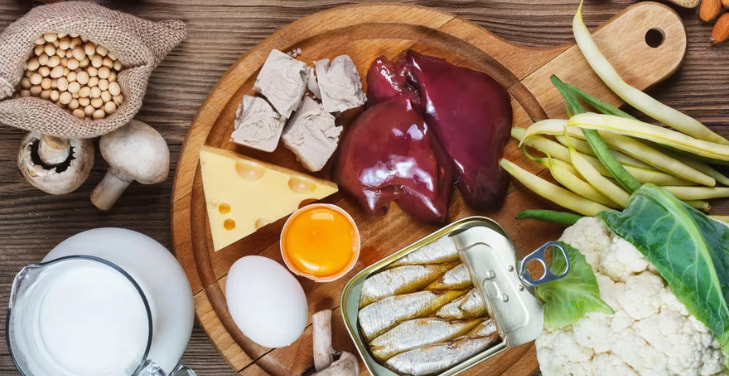
Biotin-rich foods help support metabolism, hair strength, skin health, and steady energy levels.
What Is Biotin and Why Your Body Needs It
Biotin acts as a central micronutrient that promotes energy metabolism and maintains cellular vitality. The body uses biotin to activate key enzymes, thereby coordinating energy production and fatty acid synthesis and supporting the keratin structure of hair and skin.
Cellular Energy Support
Biotin directly participates in the metabolic cycles of carbohydrates, fats, and proteins. Cells use energy more efficiently when biotin is available in sufficient amounts. This activity creates a stable rhythm for the nervous system, muscles, and internal organ function.
Hair and Skin Structure
Biotin contributes to the formation of keratin, the structural protein that makes up hair and the epidermis. Balanced biotin levels promote strong hair, smooth skin, and healthy nail growth. Tissue regeneration occurs continuously thanks to this micronutrient.
Metabolic Enzyme Activation
Biotin activates carboxylase enzymes in the liver and muscle tissue. These enzymes regulate fatty acid synthesis, amino acid metabolism, and blood sugar balance. The metabolic system functions smoothly when biotin levels meet daily requirements.
How Much Biotin You Need Each Day
Daily micronutrient requirements shape metabolic rhythms and cell regeneration. Adequate biotin intake helps the body maintain stable energy levels, supports keratin synthesis, and regulates enzyme activity. Recommended levels vary by life stage, reflecting growth rate, endocrine activity, and metabolic intensity.
Daily Intake by Age
Young children need approximately 5–12 mcg per day to support tissue growth and nervous system development. Adolescents and adults maintain levels of 25–30 mcg to stabilize energy metabolism and skin and hair function. Older adults maintain similar levels to preserve muscle strength and cell regeneration.
Needs During Pregnancy and Lactation
Pregnant women need approximately 30 mcg per day to support fetal tissue development and energy metabolism. Breastfeeding women require approximately 35 mcg to maintain micronutrient reserves and milk quality. Adequate biotin levels help the body adapt to an increased circadian rhythm.
Top Foods High in Biotin to Add to Your Diet
A varied diet provides a natural source of biotin, helping the metabolic system function smoothly and maintaining cellular vitality. Foods rich in this micronutrient help strengthen hair and skin structure and support enzyme activity, providing a stable energy foundation for the body each day.
Eggs and Organ Meats
Egg yolks provide biotin in an easily absorbable form, supporting keratin synthesis and maintaining energy metabolism. Beef and chicken livers contain high levels of biotin, which promote enzyme activity and tissue regeneration. Moderate portions of these foods help the body maintain stable micronutrient reserves.
Nuts, Seeds, and Fish
Almonds, sunflower seeds, and walnuts provide biotin along with healthy fats that support cellular function. Salmon and tuna add biotin, protein, and essential fatty acids, thereby strengthening skin, hair, and nervous system health. A menu that combines these sources creates a foundation for balanced nutrition.
Fruits and Vegetables That Provide Biotin
Plants provide a gentle, sustained, and antioxidant-rich source of biotin. Fruits and vegetables contribute to cell nutrition, support energy metabolism, and maintain the structure of skin and hair with each meal. This diverse combination creates a stable micronutrient foundation and a balanced circadian rhythm.
Root Vegetables and Greens
Sweet potatoes provide biotin and beta-carotene, which promote cell regeneration and maintain skin vitality. Spinach and broccoli supplement biotin, folate, and fiber, thereby supporting enzyme function and the digestive system. A daily serving of greens helps the body maintain smooth metabolism.
Fruits That Support Intake
Bananas provide a moderate amount of biotin, along with potassium and vitamin B6, which help maintain stable energy levels. Avocados provide biotin, healthy fats, and vitamin E, helping to nourish hair and skin from within. A variety of fruits creates a balanced source of micronutrients for the daily diet.
Protein-Rich Foods That Boost Biotin Intake
A robust metabolism is built on the combination of high-quality protein and essential micronutrients. Protein-rich foods contain significant amounts of biotin, which promotes enzyme activity, strengthens keratin structure, and maintains a stable energy supply throughout the day.
Animal Protein Sources
Chicken, beef, and salmon provide complete protein along with biotin to support fatty acid synthesis and maintain muscle strength. Greek yogurt and cheese supplement biotin, calcium, and probiotics, thereby nourishing the digestive system and increasing the efficiency of micronutrient absorption. A balanced diet from these sources helps the body maintain a stable metabolism.
Plant-Based Protein Options
Lentils, soybeans, and green beans provide plant-based protein along with biotin to support cell function and tissue regeneration. Walnuts and sunflower seeds provide biotin, healthy fats, and minerals, contributing to the health of hair, skin, and the nervous system. This diversity of protein sources creates a sustainable nutritional foundation.
Best Breakfast and Snack Ideas for Biotin
A nutrient-rich breakfast establishes a steady metabolic rhythm and provides a stable energy source for the entire day. Smart snacks maintain consistent biotin levels, support keratin structure, and activate metabolic enzymes. A flexible combination of protein, healthy fats, and whole grains helps the body absorb biotin efficiently through each small meal.
Biotin-Rich Breakfast Combos
A hard-boiled egg with whole-wheat bread and butter provides biotin, protein, and healthy fats, boosting morning energy. Oatmeal with almonds and bananas offers biotin, fiber, and minerals to support metabolism. A balanced breakfast lays the foundation for cellular activity throughout the day.
Smart Snack Pairings
Greek yogurt with sunflower seeds and berries supplements biotin and probiotics, supporting digestion and tissue regeneration. A mix of walnuts, cashews, and dried fruit provides biotin, protein, and sustained energy. These options maintain a consistent supply of micronutrients between main meals.
How Cooking and Storage Affect Biotin Levels
The way food is prepared and stored determines the amount of this micronutrient the body absorbs from food each day. Biotin maintains relative stability at high temperatures; however, cooking methods and storage times still affect nutrient retention. Choosing the right technique optimizes nutritional value and maintains metabolic efficiency.
Heat and Food Preparation
Moderate temperatures during steaming, boiling, or quick stir-frying retain most of the biotin in eggs, fish, and vegetables. Appropriate cooking times help maintain the micronutrient structure and support efficient absorption. Thoroughly cooked eggs provide a readily available source of biotin for the body's energy metabolism.
Storage and Nutrient Preservation
Storing fresh food in a cool, airtight environment maintains stable biotin levels. Vegetables and nuts retain their micronutrient value better when stored in dry conditions, away from strong light. Food consumed soon after purchase provides a rich source of biotin for the daily diet.
Kitchen Habits That Support Biotin
Gentle preparation, moderate cutting, and quick cooking help retain the micronutrients in green vegetables and grains. Planning your meals weekly helps you use fresh foods at the right time, thereby maintaining a consistent biotin supply and supporting overall health.
Signs You May Need More Biotin from Food
The body sends clear signals when micronutrient needs increase and reserves decrease. Slowed metabolism, weakened tissue structure, and decreased energy reflect the essential role of biotin in cellular function. Early recognition of these signs helps adjust diets promptly and maintain a stable physiological state.
Hair, Skin, and Nail Changes
Thin and brittle hair indicates an increased need for biotin to support keratin synthesis. The skin surface becomes dry and less elastic when micronutrients are insufficient for cell regeneration. Soft, slow-growing nails indicate a need for increased biotin intake from food.
Energy and Metabolic Signals
The body senses decreased energy levels when metabolic enzymes are less efficient. Prolonged lethargy throughout the day suggests a higher need for biotin to support carbohydrate and fat metabolism. A diet rich in this micronutrient helps restore energy levels and improve endurance.
Lifestyle Factors That Increase Needs
A less varied diet, high-intensity exercise, and hormonal fluctuations increase the need for biotin. Supplementing meals and snacks with foods rich in this micronutrient helps the body maintain metabolic balance and supports sustainable cellular function.
Can You Get Enough Biotin Without Supplements?
A varied and balanced diet provides the appropriate amount of biotin for daily physiological needs. Natural foods contain this micronutrient along with enzymes that aid absorption, thereby maintaining stable energy metabolism, cellular strength, and keratin structure. A balanced diet creates a sustainable foundation of micronutrients throughout each meal.
Food-Based Biotin Sufficiency
Cooked eggs, salmon, sunflower seeds, and animal liver provide significant amounts of biotin for the adult body. Green vegetables, sweet potatoes, and legumes add more micronutrients and fiber to support digestion. A diverse combination helps maintain stable biotin levels in the blood.
When Higher Needs Arise
Pregnancy, breastfeeding, and high-intensity exercise increase biotin requirements. Diets rich in protein, grains, and vegetables meet the necessary micronutrient levels to support metabolism and tissue regeneration. Choosing a variety of foods helps maintain the body's natural levels of biotin.
Tips for Building a Biotin-Rich Meal Plan
A clear meal plan helps maintain stable biotin levels and supports energy metabolism throughout the day. Arranging foods by micronutrient group creates a sustainable nutritional rhythm, promoting healthy hair, skin, and nervous system. A balanced menu provides a continuous supply of micronutrients to the body.
Plan Balanced Daily Plates
Main meals combining hard-boiled eggs, fatty fish, and dark green vegetables provide biotin along with protein and healthy fats. Whole grains and legumes add micronutrients that support metabolic enzymes. A proper distribution of food groups helps maintain consistent biotin levels.
Rotate Biotin-Rich Foods
Rotating animal liver, sunflower seeds, yogurt, and sweet potatoes increases micronutrient diversity. Changing protein and vegetable sources each week creates a rich source of biotin. This variation maintains appetite and nutritional effectiveness.
Smart Prep and Portions
Preparing nuts, boiled eggs, and yogurt for snacks makes it convenient to supplement biotin. Moderate portion sizes at each meal maintain stable micronutrient levels and support continuous metabolism. A clear plan helps ensure your body gets enough biotin each day.
Conclusion
Biotin plays a key role in energy metabolism, maintaining keratin structure, and supporting cellular vitality. A diverse food source provides this micronutrient consistently with each meal. A balanced diet helps the body maintain a healthy circadian rhythm and high metabolic efficiency.
Choosing biotin-rich foods, properly preparing them, and distributing meals scientifically create a sustainable nutritional foundation. A diet rich in this micronutrient helps nourish hair, skin, and daily energy levels.
Frequently Asked Questions (FAQs)
- How does biotin support the body every day? – Biotin promotes the activity of enzymes that metabolize carbohydrates, fats, and proteins into energy. This micronutrient supports keratin synthesis, strengthening hair and skin structure, while maintaining nerve and muscle function and metabolic balance throughout the day.
- What foods are the richest sources of biotin? – Animal liver, cooked eggs, salmon, sunflower seeds, and almonds are all rich sources of biotin. Sweet potatoes, spinach, bananas, and beans add more of this micronutrient, along with fiber, helping the body absorb nutrients steadily and maintain energy metabolism.
- What breakfasts effectively increase biotin levels? – Cooked eggs with whole-wheat bread and butter provide biotin, protein, and healthy fats. Oatmeal with milk, nuts, and fruit adds more micronutrients, supporting morning energy and maintaining cellular resilience throughout the day.
- How do biotin requirements change throughout life stages? – Children need moderate amounts of biotin to support tissue growth and the nervous system. Adults maintain stable levels to promote energy metabolism. Pregnancy and breastfeeding require higher amounts to support tissue development and milk production.
- How to maintain stable biotin levels from food? – A varied diet including cooked eggs, fish, nuts, beans, and green vegetables provides a consistent supply of biotin. Preparing balanced meals, distributing snacks appropriately, and using fresh foods help the body maintain stable levels of this micronutrient throughout the day.
