
Echinacea tea is becoming a prominent trend among those interested in natural immune health. Many people are actively seeking out herbal teas as part of a sustainable, health-conscious lifestyle.
The increasing seasonal demand for immune support is driving the frequent inclusion of echinacea tea in daily routines. Its simple preparation and clear botanical origin contribute to its strong appeal.
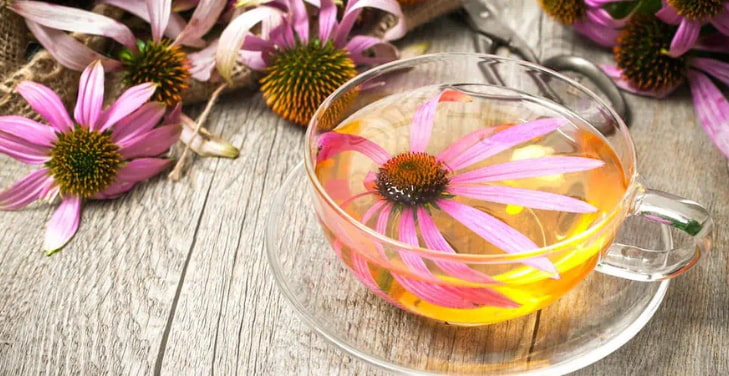
Echinacea tea supports immune health and wellness using herbal compounds from echinacea plants.
What Is Echinacea Tea?
Known as a familiar herbal tea, echinacea tea is associated with natural health care habits. This beverage is brewed from the nutrient-rich parts of the echinacea plant and is often chosen during periods when the body needs gentle support. Its distinctive herbal flavor creates a sense of familiarity and makes it easy to incorporate into daily life.
Botanical Origins
The origins of this tea begin with the echinacea plant, native to North America. The roots, leaves, and flowers are harvested individually or combined to make the tea. Each part of the plant possesses unique biological properties, contributing to its rich uses.
Active Herbal Compounds
Inside each cup of tea are alkamides, polysaccharides, and flavonoids. These compounds participate in the body's natural biological activities. The diversity of components creates depth in the herbal effects.
Traditional and Modern Use
In folk medicine, echinacea tea is considered a familiar choice. Today, this beverage continues to appear in lifestyles focused on proactive and balanced health.
Why Echinacea Tea Is Popular for Immune Support
The growing interest in immune health has made echinacea tea a familiar choice in modern life. This herbal tea often appears in seasonal health care routines, especially when the body needs holistic support. Its simple use and natural origin create lasting appeal.
Immune-Active Plant Compounds
Plant compounds in echinacea tea, such as alkamides and polysaccharides, contribute to the immune system's biological activity. These components help maintain alertness and stable physiological responses.
Support During Seasonal Changes
Seasonal changes often bring challenges to the body. Echinacea tea is chosen by many as part of a routine to adapt flexibly to the environment.
Holistic Wellness Appeal
A holistic approach to health promotes the use of traditional herbs. Echinacea tea is suitable for a lifestyle that emphasizes balance and proactive prevention.
Easy Daily Integration
The hot tea format makes it convenient to use. A cup of tea a day easily blends into your daily routine.
Key Health Benefits of Echinacea Tea
Regular consumption of echinacea tea offers many notable health benefits. Thanks to its rich source of plant compounds, this herbal tea is considered a natural support for the body in today's fast-paced lifestyle. Each cup of tea provides a relaxing sensation while helping maintain a stable physiological state.
Immune System Support
The bioactive compounds in echinacea tea promote immune system regulation. The body responds more effectively to environmental factors while maintaining alertness and biological endurance over time.
Respiratory and General Wellness
Echinacea tea is often chosen to support respiratory health and promote overall well-being. The warmth of the tea, combined with its herbal properties, creates a gentle healthcare experience that fits seamlessly into daily routines.
Echinacea Tea for Colds and Flu Symptoms
During periods of stress from weather and environmental changes, echinacea tea is often chosen as a familiar herbal remedy. This beverage is popular in seasonal health care routines for its soothing effects and its ability to naturally support a tired body.
Seasonal Symptom Support
The plant compounds in echinacea tea support the body's physiological response when it faces seasonal colds and flu. Regular consumption of the tea helps maintain a sense of stability and proactiveness in daily life.
Soothing Warmth Effect
The warm temperature of the tea creates a distinctly relaxing feeling. The spreading steam makes the body feel more comfortable, while providing a gentle care experience during days of changing weather.
Complementary Wellness Routine
Echinacea tea is often combined with adequate rest and a balanced diet. This approach reinforces a holistic and flexible approach to healthcare.
How to Brew Echinacea Tea Properly
Properly brewing echinacea tea preserves the herbal flavor and maximizes its benefits. The brewing process is quite simple, fitting into daily life, and provides a noticeably relaxing experience from the very first cup.
Choosing the Right Plant Parts
The tea ingredients typically include dried echinacea roots, leaves, or flowers. Each part has its own characteristics, adding depth to the overall flavor.
Water Temperature and Ratio
Moderately hot water effectively extracts the plant compounds. A common ratio is one teaspoon of herb per cup of water.
Steeping Time Matters
Steeping for 10 to 15 minutes creates a rich color and characteristic aroma. This process helps the tea achieve a balanced and easy-to-drink consistency.
Using Tea Bags Conveniently
Tea bags offer convenience and consistency. This method is suitable for those who prioritize speed and convenience while still ensuring quality.
Best Time and How Often to Drink Echinacea Tea
Choosing the right time and frequency for drinking echinacea tea plays a crucial role in your daily wellness. When used correctly, this herbal tea easily integrates into your daily routine and supports your body naturally, gently, yet effectively.
Ideal Time of Day
Morning and early afternoon are ideal times to enjoy echinacea tea. At these times, the body absorbs plant compounds most effectively and maintains alertness and balance throughout the day.
Recommended Usage Frequency
A common frequency is one to two cups per day during seasonal health care periods. Regular use over a short period creates a proactive habit, helping the body adapt flexibly to the environment and lifestyle.
Taste Profile and Ways to Improve Flavor
Echinacea tea has a distinct herbal flavor, creating a rustic and natural feeling from the first sip. This taste experience is often associated with warmth and comfort, and is suitable for those who love original herbal drinks.
Natural Taste Characteristics
Echinacea tea has a slightly bitter taste, mixed with earthy and grassy nuances. The lingering aftertaste leaves a clean and balanced feeling in the mouth.
Herbal and Citrus Enhancements
Combining it with ginger, orange peel, or lemon slices enlivens the flavor. These ingredients add bright aromas and depth to the cup of tea.
Sweeening Options
Honey, maple syrup, or raw sugar are often added to mellow the herbal flavor. This gentle adjustment makes the tea easier to drink and suitable for a variety of tastes.
Safety, Side Effects, and Who Should Avoid It
The use of echinacea tea is associated with a clear understanding of its safety and suitability for specific individuals. When used correctly, this herbal tea becomes part of a conscious and responsible health care routine. Full awareness allows users to be more proactive in their daily choices.
Possible Physiological Responses
Some people report mild physiological reactions when using echinacea tea, including a slight warming sensation or transient digestive changes. These manifestations reflect the natural interaction between the herbal compounds and the body.
Groups Requiring Extra Caution
Individuals with allergies to plants in the daisy family, those under monitoring for immune disorders, and pregnant and breastfeeding women are generally advised to consult a healthcare professional. A cautious approach helps ensure a safe and appropriate usage experience.
Conclusion
Echinacea tea is a readily accessible herbal option that aligns with a proactive, health-conscious lifestyle. From its botanical origins to its brewing and usage, this tea offers a natural and balanced experience.
Understanding its benefits, flavor, and safety principles helps users consciously incorporate echinacea tea into their daily routines. The combination of knowledge and the right habits creates a solid foundation for a long-term health-enhancing journey.
Discover the possible echinacea side effects and what to watch for before using this herbal supplement.
Frequently Asked Questions (FAQs)
- Can echinacea tea be drunk daily? – Echinacea tea is suitable for daily use during certain periods, especially seasonal wellness routines. Consistent, moderate consumption supports a sense of proactive daily care.
- How long should echinacea tea be consumed to see results? – Most people drink echinacea tea for one to two weeks continuously. This timeframe helps the body adapt to the herbal components and supports overall balance.
- Is echinacea tea suitable for evening consumption? – Due to its gentle herbal profile, echinacea tea can be enjoyed in the evening. A warm cup often contributes to relaxation and comfort after daily activities.
- Can children drink echinacea tea? – Children generally require professional guidance before consuming echinacea tea. Personalized dosing and timing help ensure safety for their developing systems.
- Can echinacea tea be combined with other herbs? – Echinacea tea pairs well with ginger, mint, or licorice. These blends improve flavor and create a harmonious herbal experience that fits easily into a daily tea routine.
